Singles' Day (11.11)
Alibaba (Tmall)2009
Singles' Day (11.11) is a 2009 brand-built shopping festival for Alibaba.
Why it works
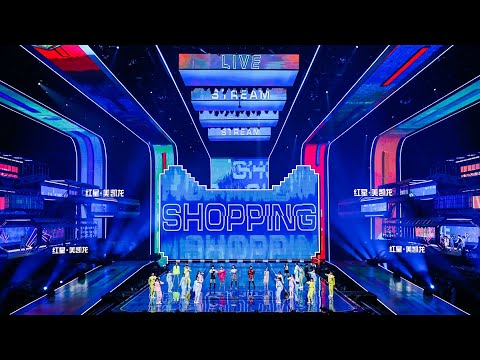
November 11, written 11.11, is widely believed to have started in the 1990s as a joke holiday among Chinese university students: a day for single people, inspired by its four lonely ones. In 2009 Daniel Zhang, then running Alibaba's young brand marketplace Taobao Mall (now Tmall), borrowed it to fill a quiet month for retail, persuading 27 merchants to offer half-price deals and free delivery with a midnight start. The first edition took about $7.8 million. Alibaba kept enlarging it, later leaning on livestreamed selling, until the 2019 edition recorded 268.4 billion yuan, roughly $38 billion, in 24 hours, dwarfing Black Friday and Cyber Monday. It is studied as a rare case of a company inventing a cultural occasion rather than sponsoring one: rivals such as JD.com ended up running their own 11.11 sales. Its scale also became a liability; in 2022, with the economy cooling and regulators pressing big tech, Alibaba stopped publishing the total after the 2021 event reached 540.3 billion yuan.
Techniques
Sources · 4
Updated