Collection
Wartime & Recruitment Posters
Recruitment, home-front and public-information posters from two world wars: the most studied propaganda posters ever made, and how their persuasion works.
All ads
-
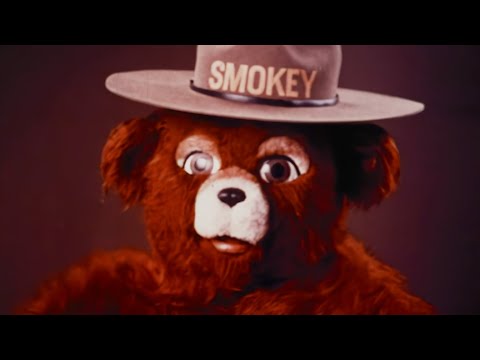 1944
1944Smokey Bear ("Only You Can Prevent Forest Fires")
The longest-running public service advertising campaign in United States history — more than 80 years and counting.
-
 1943
1943Use It Up – Wear It Out – Make It Do!
The American home front's thrift ethic in one domestic scene.
-
 1943
1943We Can Do It!
One of the most famous images of the Second World War began as a staff notice.
-
 1943
1943When You Ride Alone You Ride with Hitler!
A government request to share car journeys, turned into a ghost story in a single frame.
-
 1942
1942Is Your Journey Really Necessary?
Britain's wartime railways were needed for troops and supplies, and coal and petrol were needed for the war effort, so the public had to be…
-
 1942
1942Loose Lips Might Sink Ships
"Loose lips might sink ships" belonged to the security-of-information campaign that the War Advertising Council, forerunner of today's Ad Council,…
-
 1942
1942Someone Talked!
A drowning sailor, only his head and one huge outstretched forearm above black water, points straight out of the poster at whoever let the secret…
-
 1941
1941Coughs and Sneezes Spread Diseases
In October 1941 the Ministry of Health opened an autumn campaign against colds and flu built on one rhyming line: "Coughs and sneezes spread…
-
 1941
1941Join the ATS ("The Blonde Bombshell")
Abram Games, then a corporal in the Royal Engineers, set out in 1941 to fix the dowdy image of the Auxiliary Territorial Service, the women's branch…
-
Careless talk costs livesMinistry of Information (UK)1940
Careless Talk Costs Lives
When the Ministry of Information set out to stop wartime gossip, the Punch cartoonist Cyril Kenneth Bird, who signed himself Fougasse, convinced…
-
 1939
1939Dig for Victory
Before the Second World War Britain imported around 55 million tons of food a year, and German U-boats went straight for the merchant ships carrying…
-
 1939
1939Keep Calm and Carry On
One of Britain's best-known posters was barely seen in the war it was made for.
-
 1918
1918If Ye Break Faith – We Shall Not Sleep (Buy Victory Bonds)
Canada's 1918 Victory Loan poster turned a war poem into a sales line.
-
 1917
1917Fate tutti il vostro dovere! (Fourth National War Loan)
Italy's fourth National War Loan of 1917 borrowed Britain's most famous recruiting gesture and pointed it at savers.
-
_-_C._E._Chambers_LCCN2002720472.jpg/960px-Food_will_win_the_war_-_You_came_here_seeking_freedom,_now_you_must_help_to_preserve_it_-_Wheat_is_needed_for_the_allies_-_waste_nothing)_-_C._E._Chambers_LCCN2002720472.jpg) 1917
1917Food Will Win the War
Herbert Hoover's new U.S.
-
 1917
1917I Want You for the Navy
Howard Chandler Christy took the most imitated line in recruiting and changed who was saying it.
-
 1917
1917I Want You for U.S. Army
Uncle Sam's stare and outstretched finger first appeared on the cover of Leslie's Weekly in July 1916, above the question "What Are You Doing for…
-
 1917
1917It Is Nice in the Surf, but What About the Men in the Trenches?
Australia relied entirely on volunteers for its First World War army, so its recruiting posters had to persuade and shame rather than order, and…
-
 1917
1917Wake Up, America! Civilization Calls Every Man, Woman and Child!
The United States declared war on 6 April 1917, and thirteen days later New York staged "Wake Up, America" Day with this poster by James Montgomery…
-
_On_les_aura_!_-_affiche_-_Abel_Faivre_-_btv1b9013991f.jpg/960px-2e_Emprunt_de_la_D%C3%A9fense_nationale._Souscrivez_(1916)_On_les_aura_!_-_affiche_-_Abel_Faivre_-_btv1b9013991f.jpg) 1916
1916On les aura! (Second National Defence Loan)
France paid for much of the First World War by borrowing from its citizens, and this poster sold the second National Defence Loan, launched in…
-
 1915
1915Daddy, what did YOU do in the Great War?
A British recruitment poster that sells enlistment by staging a moment from the future.
-
 1915
1915Women of Britain Say – ‘Go!’
Instead of addressing men, this 1915 recruitment poster recruits the people closest to them to do the persuading.
-
 1914
1914Lord Kitchener Wants You ("Your Country Needs You")
The pointing finger every recruitment ad since has borrowed.
About Wartime & Recruitment Posters
In both world wars, governments became the biggest advertisers in the world. They used posters to recruit soldiers, sell war bonds, ration food, recycle metal and keep secrets, and the best of them are still taught as masterclasses in persuasion. This collection gathers the most studied recruitment and home-front posters, each explained and shown as a public-domain scan where one exists.
How to read a wartime poster
- Who is speaking? Many posters speak with the authority of the state, a leader or a national symbol, the technique known as transfer.
- What are you asked to feel? Duty, pride, guilt and fear do most of the work. See pathos and fear appeal.
- What are you asked to do? The strongest posters end with one simple action: enlist, buy, save, stay quiet.
These are often called propaganda posters, because their purpose was to shape opinion and behaviour on a national scale. They are included here as advertising, for what they show about how persuasion works.