Technique
Transfer
Ads that borrow the prestige or emotion of a symbol people already value (a flag, a nation, a hero, a work of art) and transfer it to the product.
2020s
-
 2022
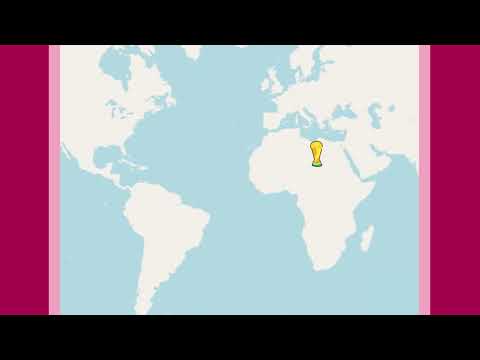
2022World Cup Delivery
The delivery app borrows the nation's World Cup triumph, swapping its burger icon for the trophy so the country's pride attaches to its own product.
-
 2020
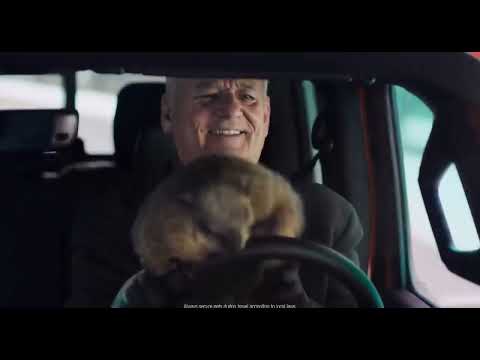
2020Groundhog Day
Airing on Groundhog Day itself, the sequel borrows audiences' affection for a classic film and lets the truck change its premise.
2010s
-
 2018
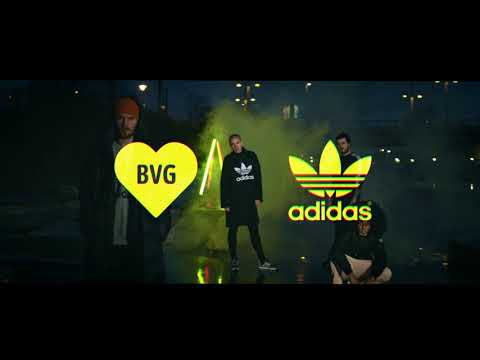
2018The Ticket Shoe
Borrows the street credibility of a limited adidas Originals trainer to make the city's transport operator, and its annual ticket, feel collectible to young Berliners.
-
 2017
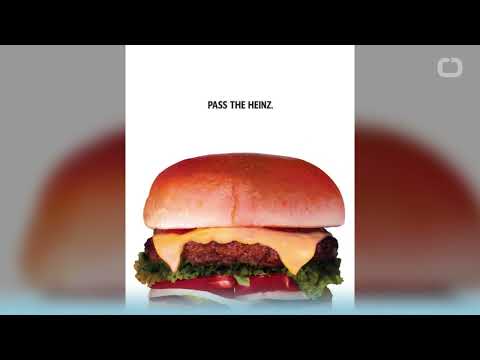
2017Pass the Heinz
Running Don Draper's fictional Mad Men pitch for real, co-credited to his fictional agency, borrows the show's cultural cachet for the brand.
-
 2016
2016The Next Rembrandt
A long-time sponsor of Dutch art borrows the prestige of Rembrandt himself, using data from his known paintings to produce a new 3D-printed portrait.
-
 2014
2014It's Beautiful
A patriotic anthem passed between voices in seven languages borrows the emotion of national belonging and attaches it to the brand.
-
 2013
2013Sound of Honda / Ayrton Senna 1989
Recreating a racing legend's record lap from telemetry lets the brand borrow his aura for a navigation service built on driving data.
-
 2013
2013Immortal Fans
Channels supporters' tribal loyalty to the club into a decision to become an organ donor.
-
 2012
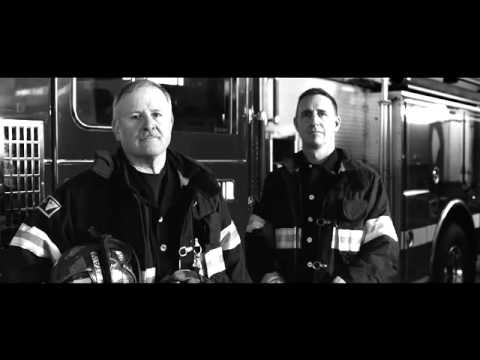
2012Halftime in America
Casting the country's hard times as halftime in America, it links the carmaker to Detroit's fight back and to national resolve.
-
 2012
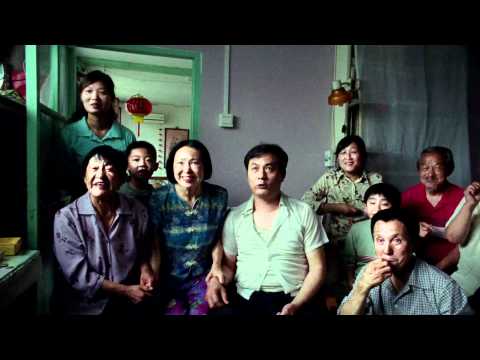
2012Best Job ("Thank You, Mom")
Borrows the emotion of the London Olympics for a detergent-and-nappies company by linking its products to the mothers behind the athletes.
-
 2012
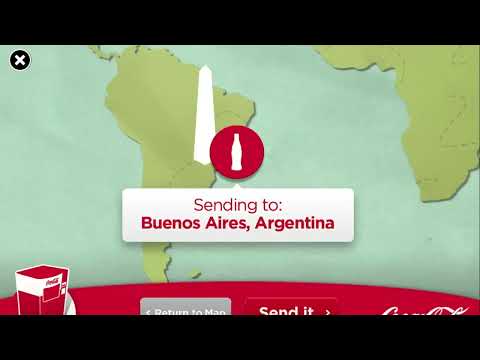
2012Project Re: Brief — 'Hilltop' Re-imagined for Coca-Cola
The art director of a classic 1971 campaign rebuilds it for digital, borrowing the much-loved song's promise and making it literal.
-
 2012
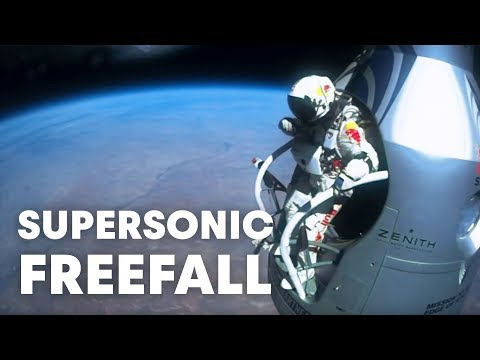
2012Red Bull Stratos
Borrows the awe of a record-breaking leap from the stratosphere, with the logo on the suit as the only copy.
-
 2011
2011Cómicos
Borrows the affection Spain holds for its humourists, culminating at the resting place of Gila, whose famous telephone routine answers the call.
-
 2011
2011Born of Fire ("Imported from Detroit")
Wraps the Chrysler 200 in Detroit's identity as the Motor City, so the car inherits the defiant pride of a town that refuses to be written off.
-
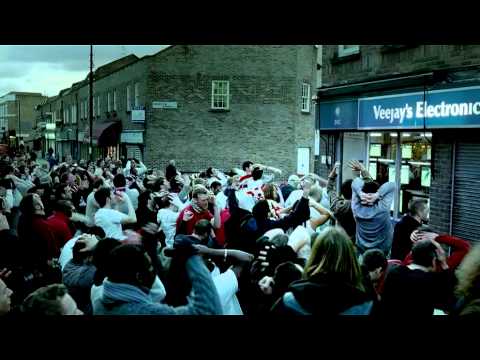 2010
2010Write the Future
Borrows the excitement of the World Cup for a brand that is not a tournament sponsor, attaching the event's stakes to Nike without official rights.
-
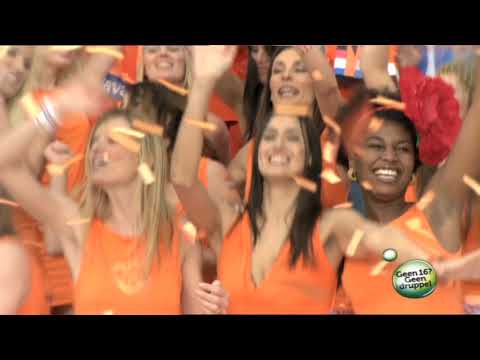 2010
2010Dutch Dress
Rides on the prestige of a World Cup match it never sponsored, letting the event's spotlight fall on a beer brand's dress.
-
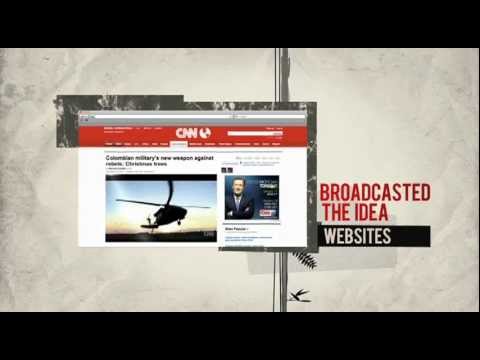 2010
2010Operation Christmas
Borrows the hope of Christmas, decorating jungle trees so the holiday itself makes the case for demobilising.
-
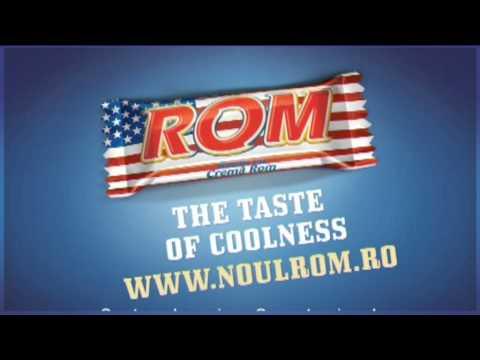 2010
2010The American Takeover
Relies on the Romanian flag long printed on the wrapper, so taking it away makes people fight for both the symbol and the brand.
2000s
-
 2008
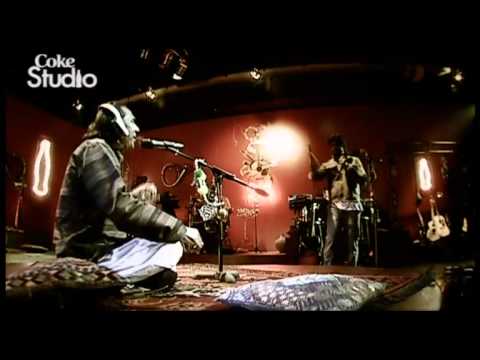
2008Coke Studio Pakistan
Attaches the brand to the nation's music, presenting the show as the sound of the nation and becoming its host rather than a sponsor.
-
 2007
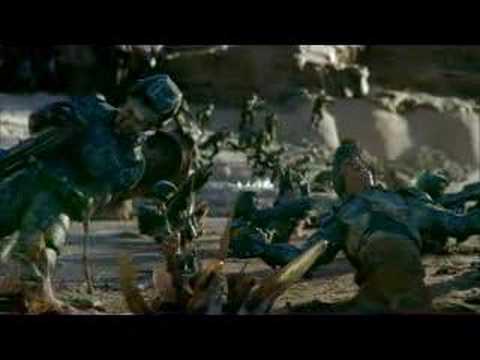
2007Believe ("Diorama")
Treats a video-game hero the way societies commemorate real war heroes, borrowing the gravitas of museum memorials and war cinema for the game.
-
 2006
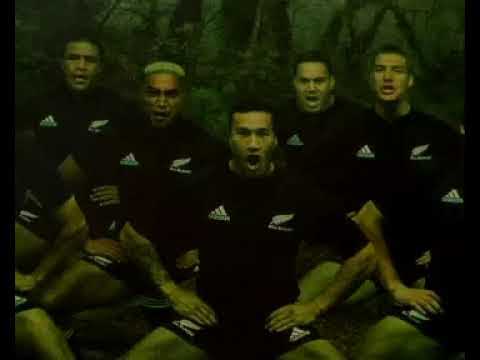
2006Bonded by Blood
Lets fans own a piece of their heroes, so buying a jersey earns a relic that makes them and the players one bloodline.
-
 2005
2005Australia Day Lamb
Seats its spokesman before the Australian flag and ties an everyday meat to Australia Day, borrowing patriotic ritual to make eating lamb a national duty.
-
 2004
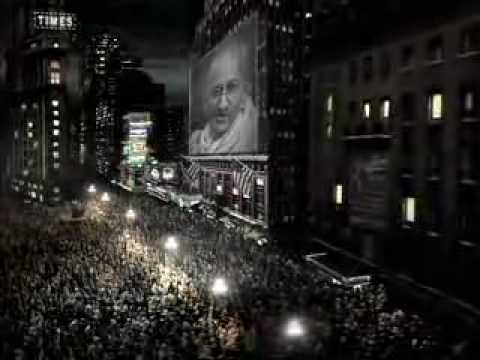
2004Gandhi
Borrows Gandhi's moral authority by imagining his message of peace broadcast by webcam to screens and crowds worldwide, lending his stature to a telecoms brand.
-
 2002
2002Respect
The brand's horses pay their respects to lower Manhattan months after September 11, linking Budweiser to a shared moment of national mourning.
-
 2000
2000The Rant ("I Am Canadian")
Wraps the beer in Canadian national identity as an ordinary guy knocks down stereotypes and roars his nationality, borrowing patriotic pride for the brand.
1990s
-
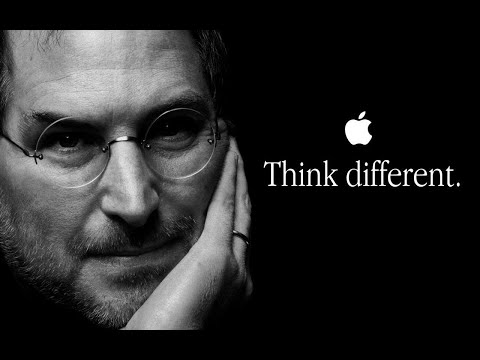 1997
1997Think Different ("The Crazy Ones")
Black-and-white footage of Einstein, Dylan, Picasso and King lends the brand the aura of history's rebels and geniuses, with no computer shown.
-
Taco Bell Buys the Liberty BellTaco Bell1996
Taco Liberty Bell
Hitches the brand to the Liberty Bell, a treasured national symbol, by pretending to rename it after itself.
1980s
-
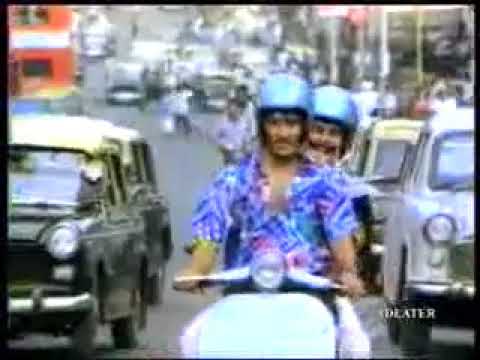 1989
1989Hamara Bajaj
Sells the scooter's Indianness rather than its engineering, wrapping it in pride in a strong nation through the possessive our Bajaj.
-
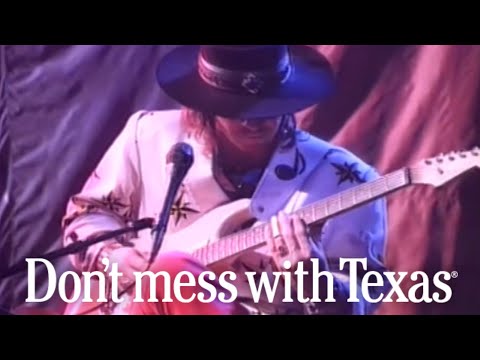 1986
1986Don't Mess with Texas
It borrows fierce Texan pride, recasting an anti-litter plea as a defiant boast so that littering feels like an insult to the state itself.
-
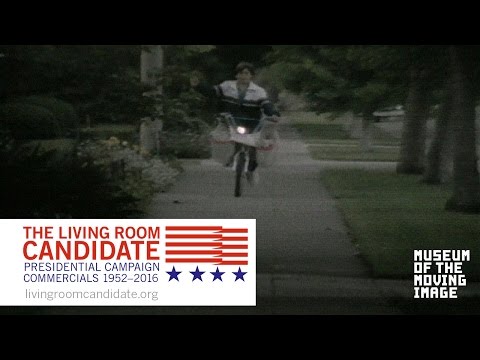 1984
1984Prouder, Stronger, Better ("Morning in America")
Flag-raisings and the image of a new morning for the nation wrap the candidate in national pride without naming policies.
-
Statue of Liberty RestorationAmerican Express1983
Statue of Liberty Restoration
Borrows the emotional pull of the Statue of Liberty, effectively casting the national monument as the card's pitchwoman.
1970s
-
 1976
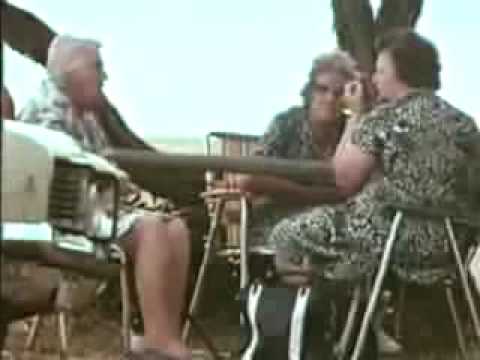
1976Football, Meat Pies, Kangaroos and Holden Cars
Intercuts the cars with beaches, cricket, kangaroos, meat pies and the flag, so a GM subsidiary borrows the feeling of being Australian.
-
Kurisumasu ni wa Kentakkii (Kentucky for Christmas)KFC Japan1974
Kentucky for Christmas
Borrows Christmas, a holiday with no established local tradition, and makes a fried-chicken party barrel its ritual meal.
-
Chi mi ama mi segua.Jesus Jeans (Maglificio Calzificio Torinese)1973
Chi mi ama mi segua ("He who loves me, follows me")
Borrowing the words of the Gospels and the First Commandment hijacks religious authority to sell a young jeans label.
1960s

1950s
1930s
1920s
-
 1925
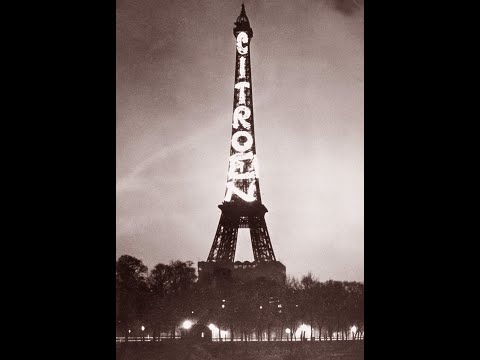
1925Citroën on the Eiffel Tower
Spells the brand's name down the Eiffel Tower in giant lit letters, borrowing a national monument as its medium.
-
 1924
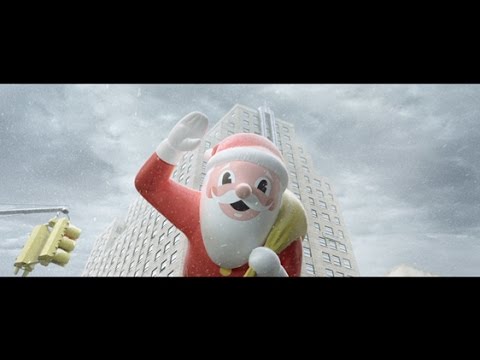
1924Macy's Thanksgiving Day Parade
Borrows Thanksgiving, Santa Claus and Mother Goose floats, crowning Santa on the store's marquee to open the Christmas shopping season.
1910s
-
 1918
1918If Ye Break Faith – We Shall Not Sleep (Buy Victory Bonds)
Quoting 'In Flanders Fields' borrows the emotional authority of a poem the audience already knew and still recites on Remembrance Day.
-
 1917
1917Fate tutti il vostro dovere! (Fourth National War Loan)
It borrows the pointing-finger device of Leete's Kitchener poster and redirects its familiar command from enlisting to lending savings.
-
_-_C._E._Chambers_LCCN2002720472.jpg/960px-Food_will_win_the_war_-_You_came_here_seeking_freedom,_now_you_must_help_to_preserve_it_-_Wheat_is_needed_for_the_allies_-_waste_nothing)_-_C._E._Chambers_LCCN2002720472.jpg) 1917
1917Food Will Win the War
The Statue of Liberty and a rainbow over New York harbour lend the request the emotional weight of the immigrant's arrival in America.
-
 1917
1917I Want You for the Navy
It borrows the already-famous 'I want you' line of Kitchener and Uncle Sam, letting a familiar slogan do half the work.
-
 1917
1917I Want You for U.S. Army
Uncle Sam's stare and pointing finger borrow the weight of a national symbol to make enlisting feel like a personal summons.
-
 1917
1917Wake Up, America! Civilization Calls Every Man, Woman and Child!
Stars and stripes, a liberty cap and a classical column borrow the prestige of nation, liberty and civilisation for the call to mobilise.
-
_On_les_aura_!_-_affiche_-_Abel_Faivre_-_btv1b9013991f.jpg/960px-2e_Emprunt_de_la_D%C3%A9fense_nationale._Souscrivez_(1916)_On_les_aura_!_-_affiche_-_Abel_Faivre_-_btv1b9013991f.jpg) 1916
1916On les aura! (Second National Defence Loan)
The soldier's pose echoes Rude's sculpture on the Arc de Triomphe and his cry quotes Pétain at Verdun, borrowing national glory for a bond sale.
-
 1914
1914Lord Kitchener Wants You ("Your Country Needs You")
Calling on the country through its war chief harnesses patriotism and makes each passer-by personally answerable.
1900s
1890s

1880s
Transfer: how it works
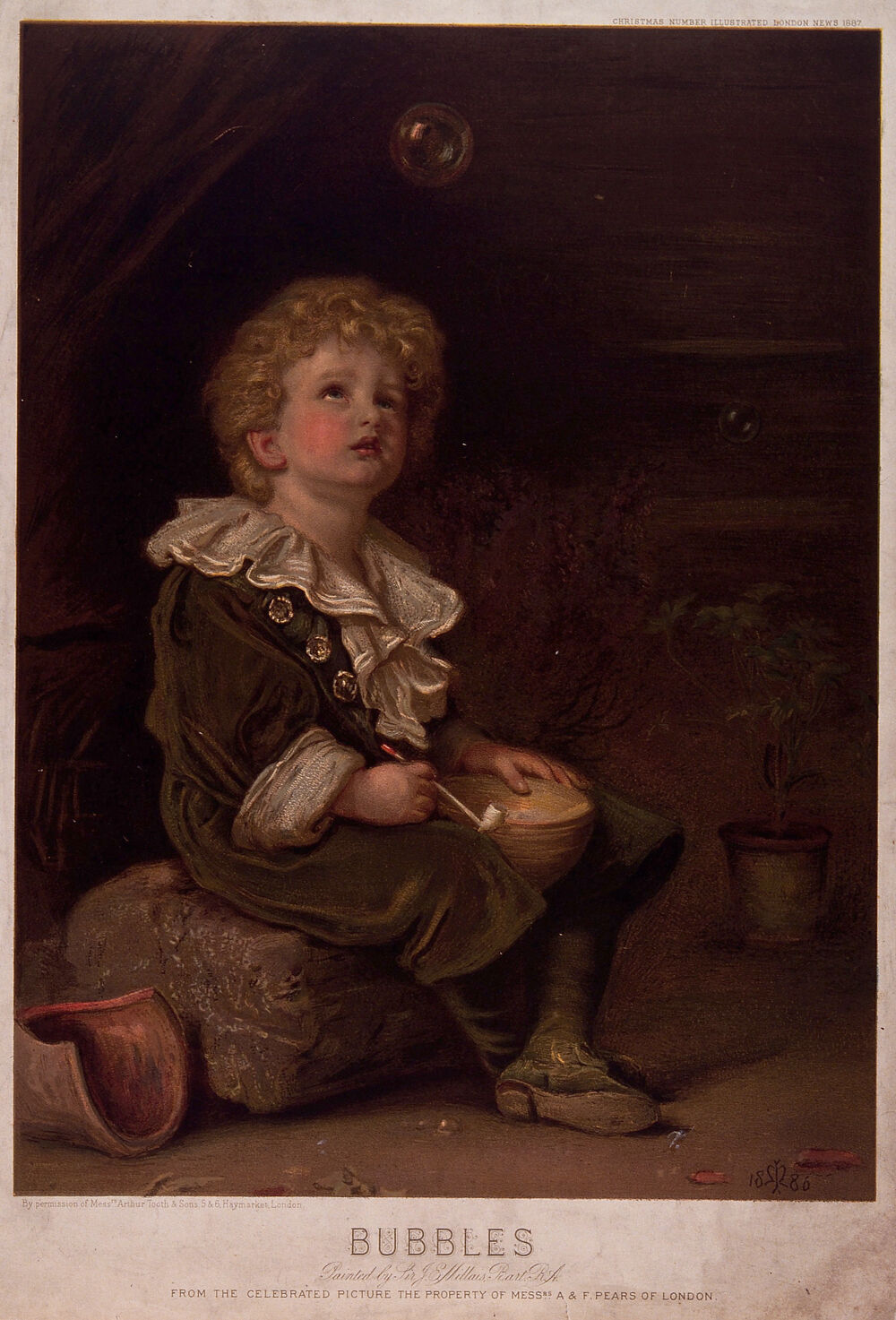
Transfer persuades by association. The ad places the product or cause next to something the audience already admires or fears, such as a national flag, a hero, a landmark, a work of art or a historic moment, so that the feeling carries over. It is one of the seven propaganda devices popularised by the Institute for Propaganda Analysis in the late 1930s, and it is still taught as a way to read advertising critically.
How to spot it
- Patriotic imagery, famous symbols or borrowed cultural icons.
- The product appears alongside something with existing meaning, rather than being explained.
- The ad asks you to feel about the brand the way you already feel about the symbol.
Why it works
Building meaning from scratch is slow; borrowing it is fast. Transfer is powerful in political and national advertising, and it can backfire when audiences feel a symbol has been exploited.