Technique
Humour
Funny ads: comedy, wit, absurdity and parody as the engine of the message.
2020s
-
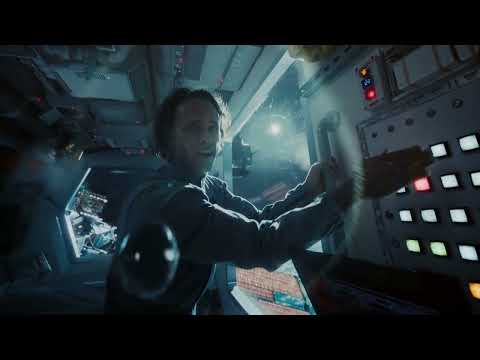 2025
2025Act Like You Know
Walton Goggins plays characters faking competence, from a detective trampling a crime scene to an astronaut who fires a crewmate into space.
-
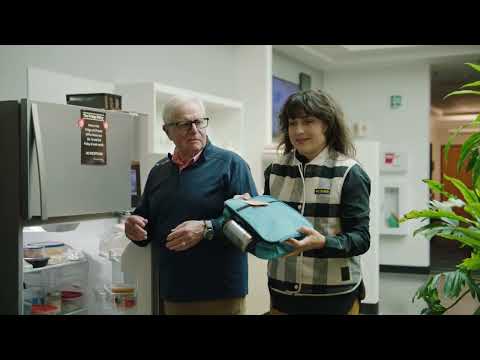 2025
2025Expedition Impossible
Teases flat-earthers with a deadpan challenge to prove their theory, backed by a real company set up as the prize.
-
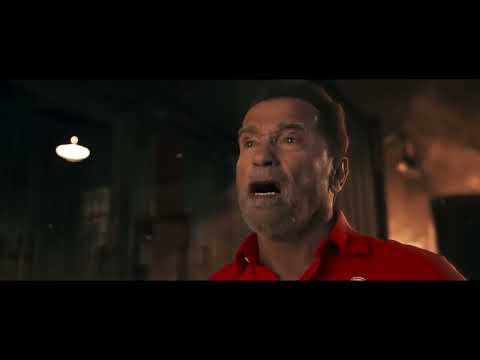 2024
2024Like a Good Neighbaaa
Arnold Schwarzenegger keeps mangling the brand's line as 'neighbaaa' take after take until Danny DeVito steps in to say it properly.
-
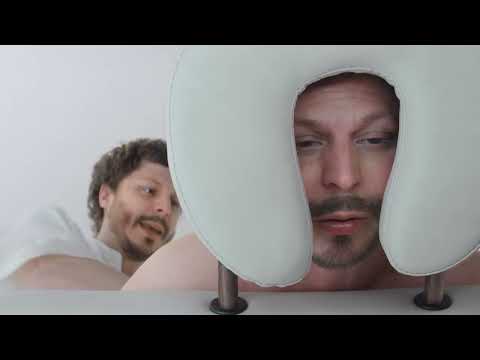 2024
2024Michael CeraVe
An online hoax has Michael Cera acting as if he invented the brand, and the paid Super Bowl spot is the punchline.
-
 2023
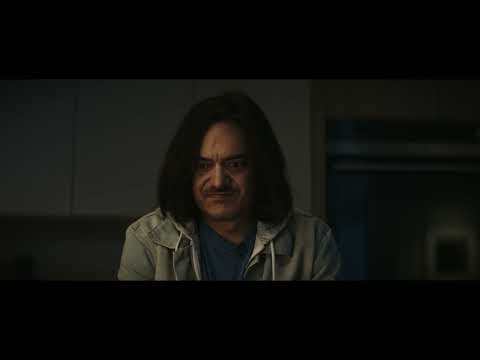
2023R.I.P. Leon
Plays the feature as a tiny comic film whose twist, the supposedly dead lizard coming back to life, turns a relatable panic into the punchline.
-
 2023
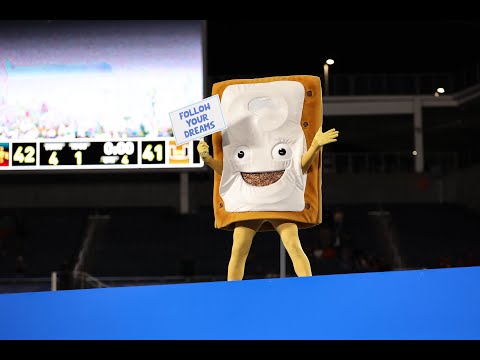
2023The First Edible Mascot
Leans into absurdity, with a pastry rising from a giant toaster to be devoured, a spectacle so strange the brand becomes the headline.
-
 2022
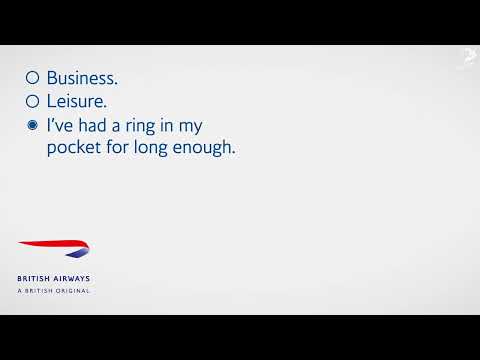
2022A British Original
Hundreds of witty answers to travel's dullest box-ticking question tick something truer than business or leisure, from feeding the social feed to unwanted seafood.
-
Duo the Owl on TikTokDuolingo2021
Duo the Owl on TikTok
A passive-aggressive, deliberately unhinged persona hijacks trending sounds and memes and pops up in other brands' comment sections for laughs.
-
 2020
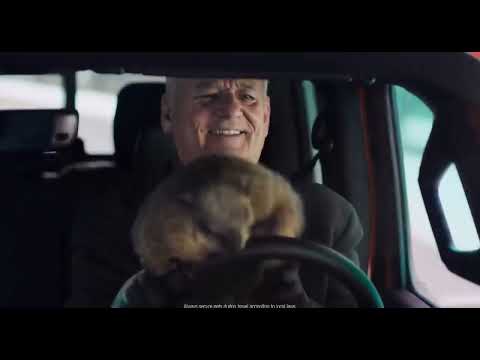
2020Groundhog Day
Bill Murray relives his time-loop day once more, now stealing the groundhog for joyrides in a Jeep Gladiator.
-
 2020
2020Smaht Pahk
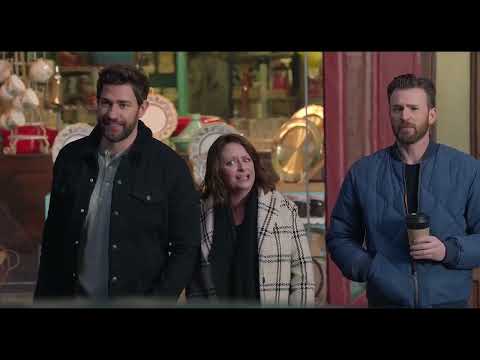
Boston accents turning 'smart park' into the title phrase become the running joke, so every laugh repeats the product name.
2010s
-
 2018
2018Alexa Loses Her Voice
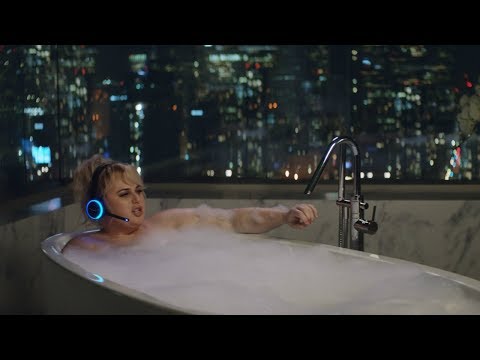
Celebrity stand-ins such as Gordon Ramsay and Anthony Hopkins handle everyday requests badly, turning each cameo into a short sketch.
-
 2018
2018The Legend of Big John
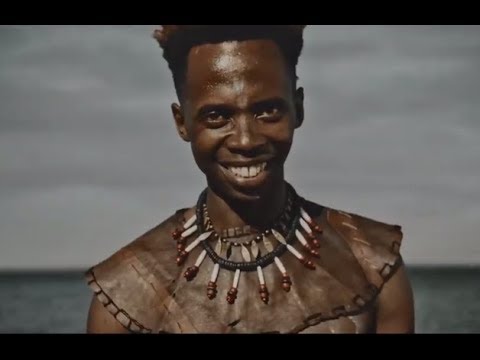
Recasts a colonial landing in reverse as an absurd tall tale, with a village hero shrugging off beasts and greeting startled Dutchmen in local slang.
-
 2018
2018It's a Tide Ad
Opens with familiar car, beer and razor ad clichés, then has David Harbour interrupt to point at the clean clothes, parodying the whole commercial break.
-
 2018
2018Follow the Arches
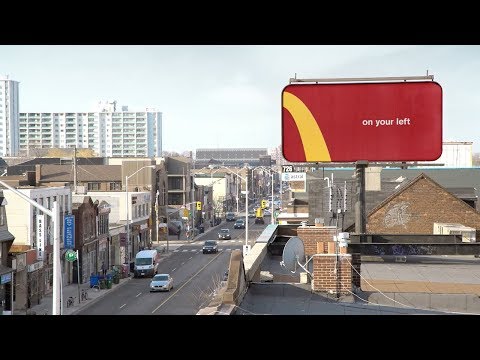
A curve bent into a U-turn above the words just missed us adds a wink to otherwise practical directions.
-
 2018
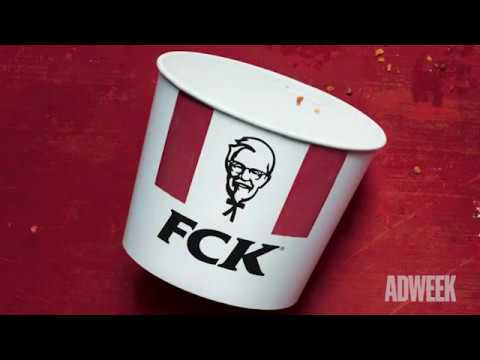
2018FCK ("We're Sorry")
The famous bucket's letters rearranged into a near-swear word, above a contrite but funny explanation, defuse the chicken shortage with a joke.
-
 2017
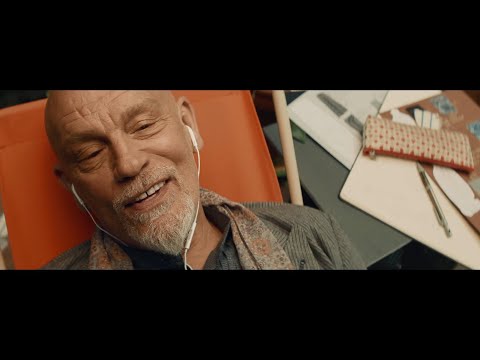
2017Calling JohnMalkovich.com
The comedy comes from an actor's escalating phone row with a namesake who already owns his web address.
-
 2017
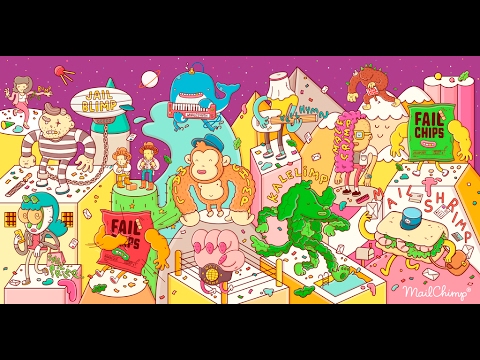
2017Did You Mean MailChimp?
Surreal oddities with names that only sound like the brand, from a shrimp film to a whale synthesiser, turn a mispronunciation into a running joke.
-
 2017
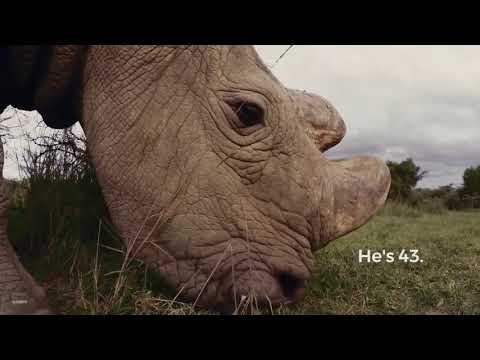
2017The Most Eligible Bachelor in the World
His profile sells extinction as a dating catch, boasting of a vast home and armed bodyguards and joking that his species depends on him.
-
 2017
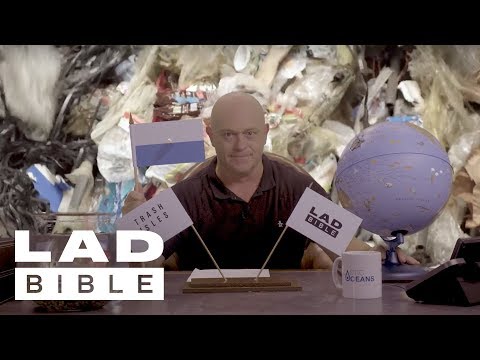
2017Trash Isles
Gives a garbage patch the comic trappings of statehood, from passports and stamps to banknotes in a currency called the debris.
-
 2016
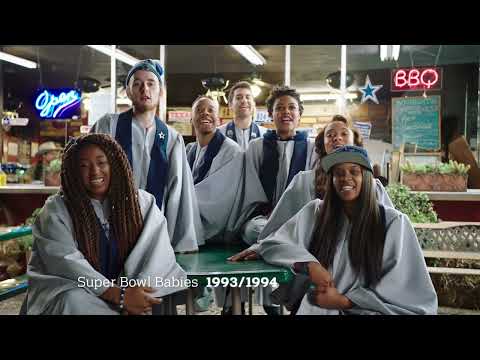
2016Super Bowl Babies Choir
Its cheeky premise celebrates fans born about nine months after their team's title wins, turning a piece of sports folklore into a wink.
-
 2016
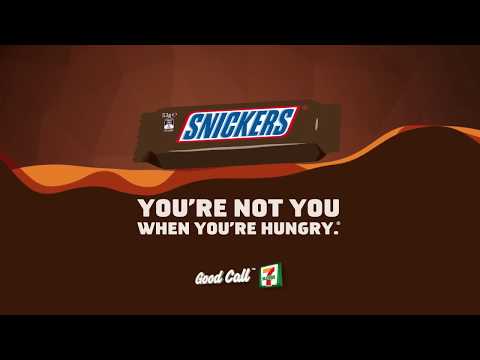
2016Hungerithm
The long-running joke that hunger makes you someone else becomes a pricing mechanism, discounting the bar as online tempers rise.
-
 2016
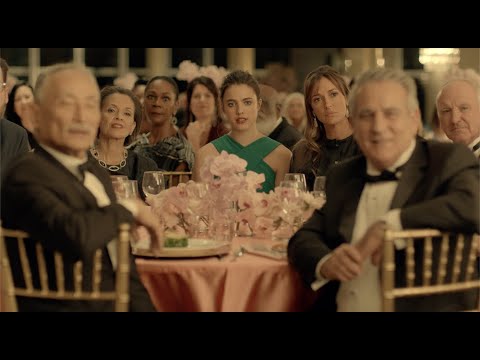
2016Kenzo World (My Mutant Brain)
Swapping the poised perfume heroine for a guest who flails, kicks and fires lasers from her fingertips makes gleeful absurdity the film's engine.
-
 2016
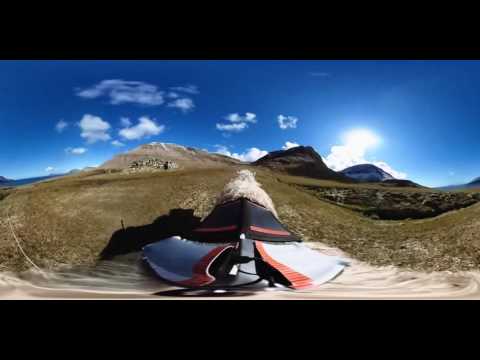
2016Sheep View 360
Tired of waiting for Google's cars, the tourist board straps 360-degree cameras to sheep, an absurd but true image that puts the islands on the map.
-
 2016
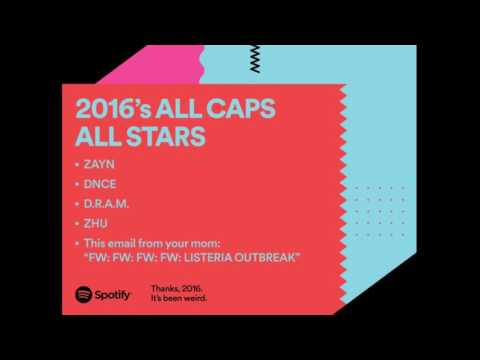
2016Thanks 2016, It's Been Weird
Anonymised listening data is turned into wry billboard copy, such as teasing the listener who played 'Sorry' over and over on Valentine's Day.
-
 2015
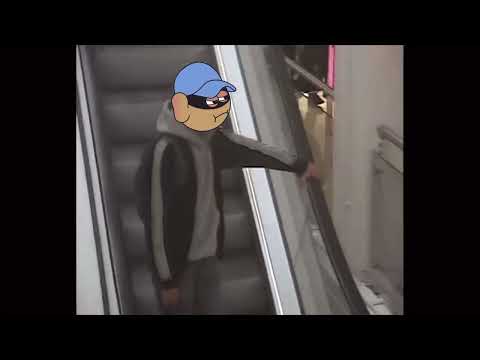
2015Shoplifters
Real CCTV footage of shoplifters with crude cartoon heads shows them chased down and caught, before a cheeky pitch to get freebies legally through a rewards app.
-
 2015
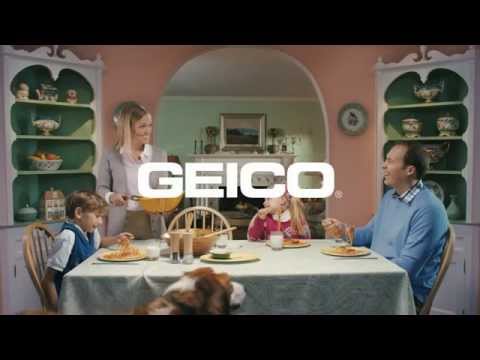
2015Unskippable
The sales message ends before the skip button appears, then the actors freeze at the table while the family dog devours the spaghetti, rewarding anyone who keeps watching.
-
 2015
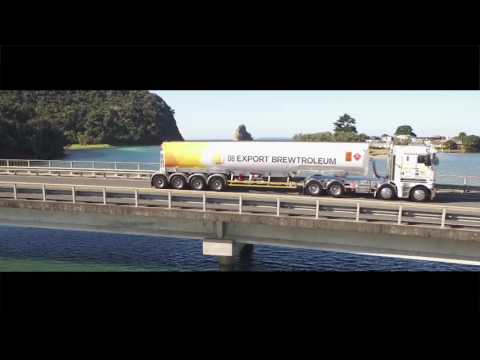
2015Brewtroleum
Offers drinkers a tongue-in-cheek noble excuse, drink more beer and help save the world, with a working fuel behind the joke.
-
 2014
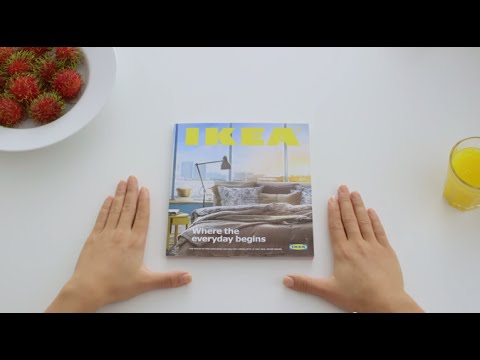
2014Experience the Power of a Bookbook
A deadpan imitation of Apple's reverent product films presents a printed furniture catalogue as a gadget called the bookbook.
-
 2014
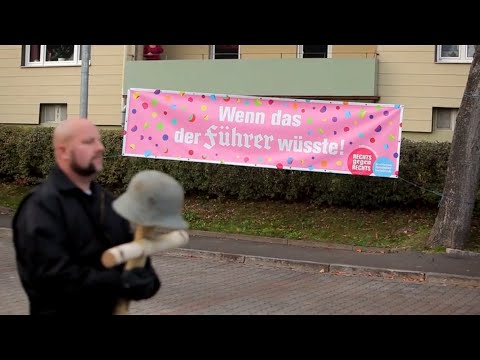
2014Nazis Against Nazis ("Rechts gegen Rechts")
Cheers the marchers on with mock charity-walk slogans, so the far right unwittingly raises money against itself.
-
 2013
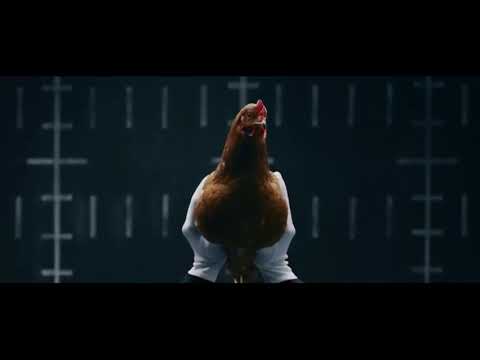
2013Chicken
Sets the swaying, head-steady chickens to Diana Ross as a sight gag anyone gets in seconds, before the product point lands.
-
 2013
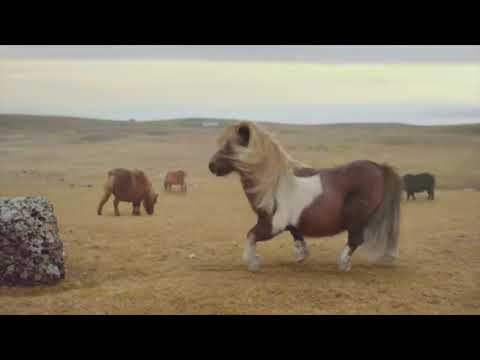
2013The Pony
A stocky Shetland pony moonwalking to Fleetwood Mac embodies the silly clips people send each other, which the network promises to stand up for.
-
Power out? No problem. You can still dunk in the dark.Oreo (Mondelēz)2013
Dunk in the Dark
A quick, witty line turns the power cut into a reason to keep dunking, so the joke itself carries the product.
-
 2013
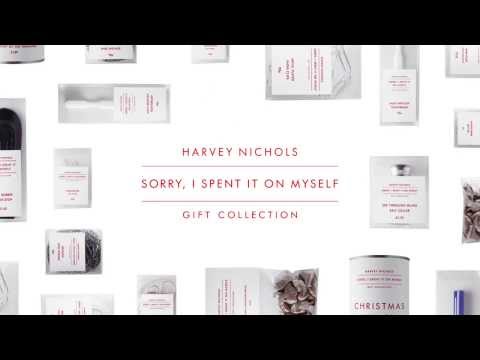
2013Sorry, I Spent It On Myself
Sells a deliberately cheap gift range, from paper clips to gravel, so shoppers can give a token and spend the real money on themselves.
-
 2012
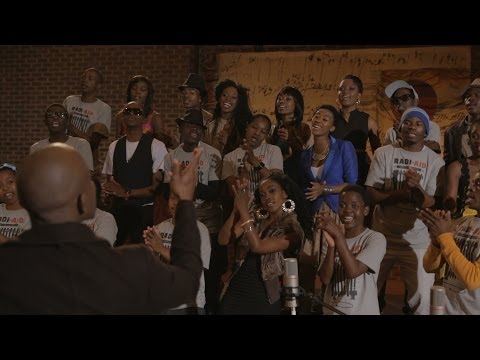
2012Radi-Aid: Africa for Norway
It parodies charity singles by having Africans rally to save freezing Norwegians, exposing the clichés of fundraising appeals by turning them around.
-
 2012
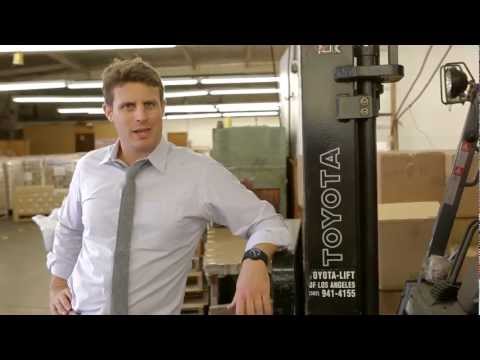
2012Our Blades Are F***ing Great
A deadpan founder tours his warehouse delivering blunt one-liners, the most famous being his profane verdict on his own blades.
-
 2012
2012Dumb Ways to Die
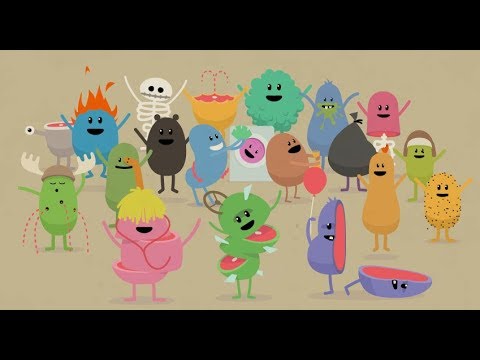
Adorable animated beans dying in absurd ways, from selling both kidneys to poking a grizzly bear, smuggle a grim rail-safety lesson inside comedy.
-
 2011
2011Last Dictator Standing
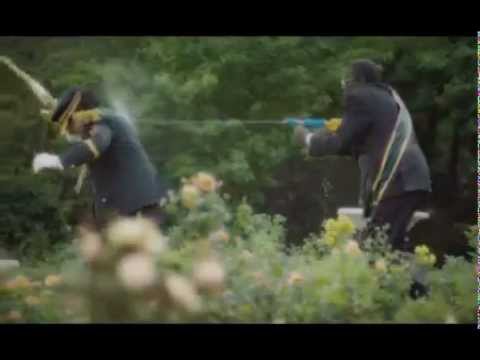
A Mugabe lookalike dining alone fondly recalls water-pistol fights and karaoke with fellow strongmen, a deadpan joke ending in an invitation to share a Nando's.
-
 2011
2011Legend ("Ghost Chips")
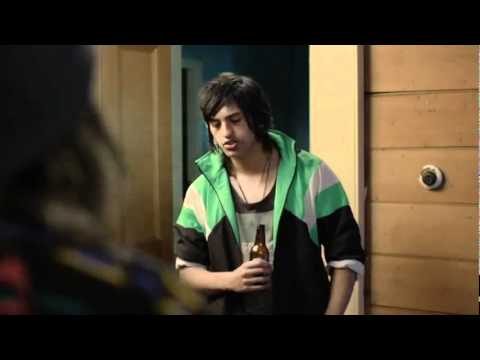
Lightens a grim subject with comic touches, such as a dead mate's ghost offering chips, and hands viewers quotable lines for the awkward moment.
-
 2011
2011The Bear (L'Ours)
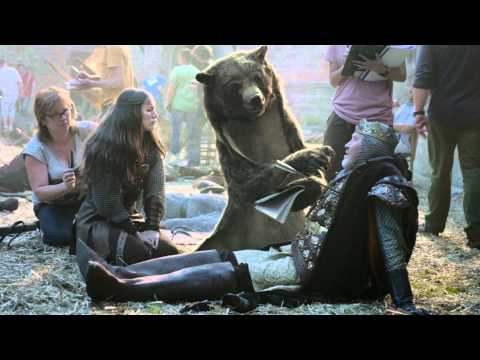
Builds on the sly joke that a living-room rug sees more films than any person, dramatising the promise that watching the channel breeds a love of cinema.
-
 2011
2011The Force
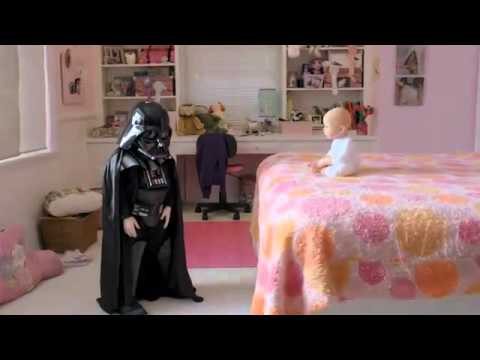
A pint-sized Darth Vader fails to use the Force on the washing machine, dog and sandwich, escalating until Dad's remote key secretly starts the Passat.
-
 2011
2011Break Up
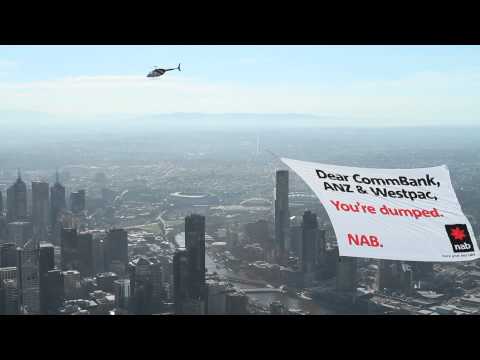
Plays the familiar break-up cliché for laughs, with the bank telling its rivals that it is not them, it has changed.
-
 2010
2010Game ("Betty White")
Casts an elderly Betty White as a hungry footballer flattened in a muddy game, a joke that dramatises how hunger turns you into someone else.
-
 2010
2010The Man Your Man Could Smell Like
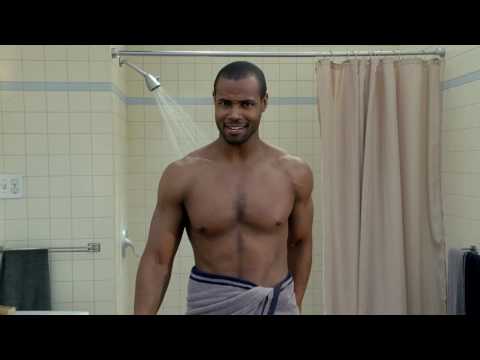
Speaking straight to women, a spokesman glides from bathroom to boat to beach to horseback in an absurd monologue that revives a dated brand.
-
Be stupid.Diesel2010
Be Stupid
Cheeky lines pitting smart against stupid, always siding with stupid, make the brand's attitude funny and endlessly repeatable.
2000s
-
 2009
2009Compare the Meerkat ("Simples")
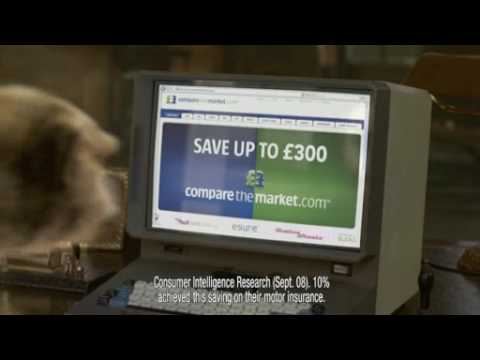
Plays on a one-word pun as the meerkat complains to camera about insurance shoppers wrongly visiting his site, standing out amid shouty price claims.
-
 2009
2009Free Doritos
Slapstick drives it: a worker's snow-globe 'crystal ball' predicts free Doritos, smashes the vending machine and finds a man's crotch.
-
 2009
2009Walk-In Fridge
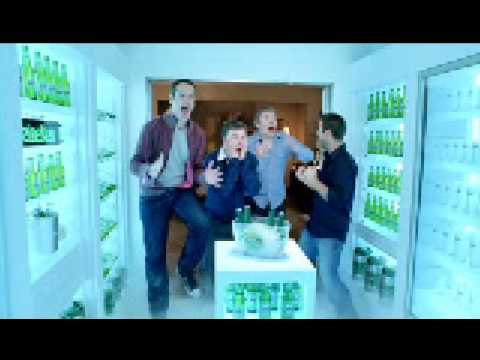
A role-reversal gag in which the men's shrieks over a beer-stocked walk-in fridge drown out the women's delight at a walk-in wardrobe.
-
 2009
2009Xixi no Banho ("Pee in the Shower")
A cheeky animated invitation to wee in the shower makes an environmental message playful instead of preachy.
-
 2009
2009ZooZoos
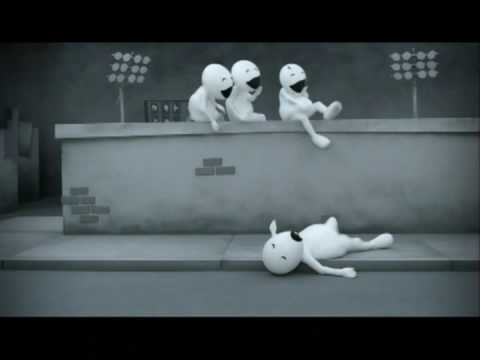
Tiny comic plots of gabbling, giggling creatures falling in love keep a run of feature-selling spots light and charming.
-
 2009
2009Roller Babies
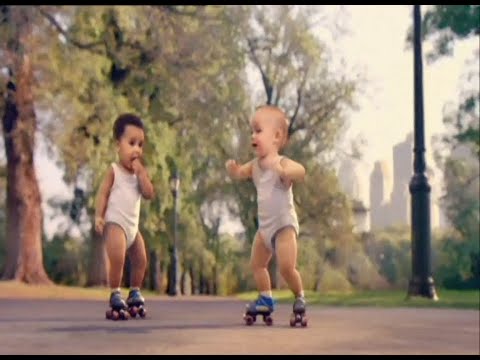
Special-effects babies pull off old-school roller-skating tricks to a remix of 'Rapper's Delight', an absurd spectacle that keeps the brand light and playful.
-
Whopper SacrificeBurger King2009
Whopper Sacrifice
Each discarded friend is told they were sacrificed for a burger, a public joke about how thin online friendship has become.
-
 2009
2009Teletransporter
Builds a laddish alibi machine, letting men fake a hospital or gym backdrop when their girlfriends call while they are out drinking.
-
 2008
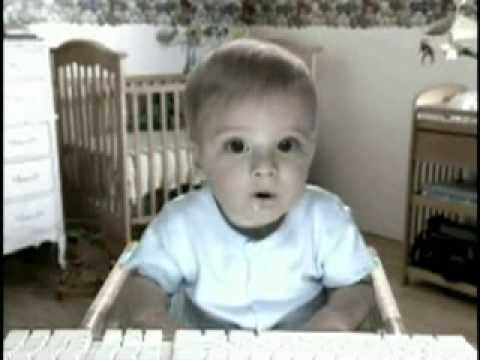
2008Baby
An infant speaking in a grown man's voice buys stock with one click and then spits up, making online trading look absurdly easy.
-
 2007
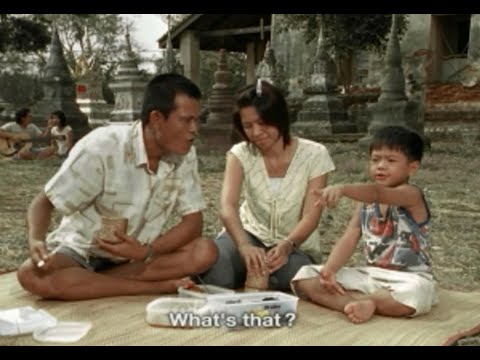
2007Picnic
Folk ghosts drift past a cheerful family picnic until darkness falls and the bravado vanishes, a comic payoff that makes the claim that light banishes fear.
-
 2007
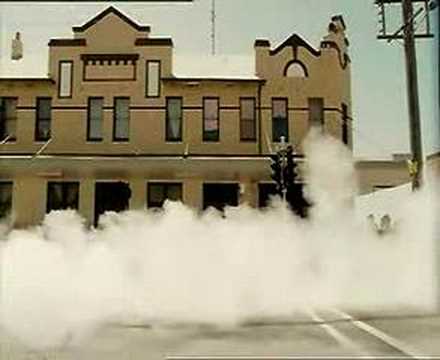
2007Pinkie ("Speeding. No One Thinks Big of You.")
Onlookers mock showing-off young drivers with a wiggled little finger, swapping crash footage for ridicule that makes speeding look unmanly.
-
 2007
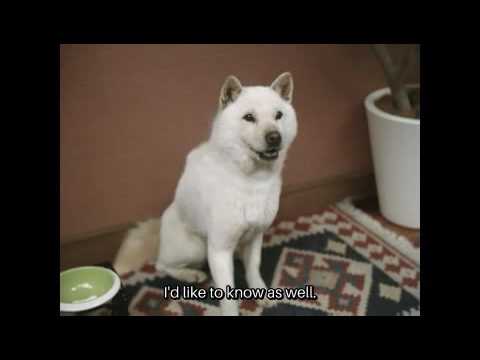
2007The Shirato Family (White Family)
Presents an ordinary household where the father is a lecturing white dog and nobody explains why, a deadpan absurdity that gives the newcomer brand warmth.
-
 2007
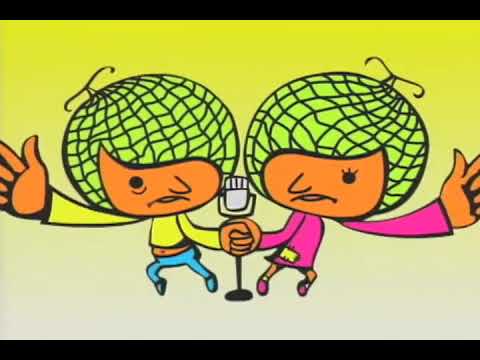
2007No Money, but Love (Yubari Fusai)
Uses cheerful self-mockery, including a cartoon couple whose name puns on the Japanese words for debt and spouse.
-
 2006
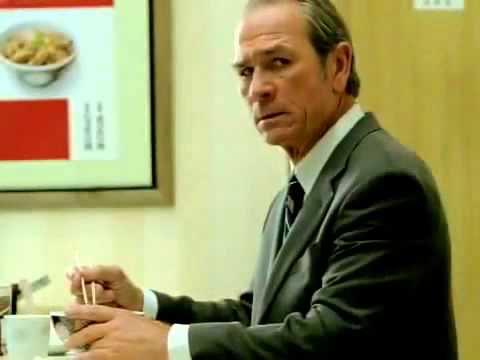
2006Alien Jones (Earth Survey series)
Each episode ends with a dry, straight-faced verdict on the planet's inhabitants over a can of Boss, a sardonic tone that slowly warms into admiration.
-
 2006
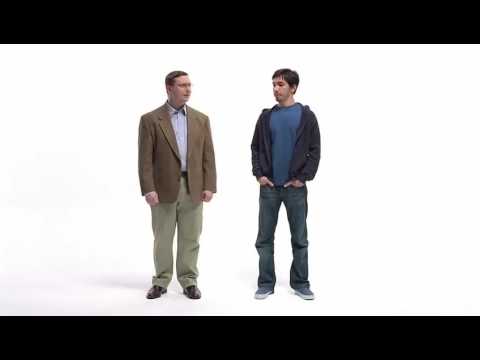
2006Get a Mac ("Mac vs. PC")
Plays the comparison as a deadpan sitcom in which the endearing, malfunctioning PC is a lovable loser, so the mockery never turns nasty.
-
 2006
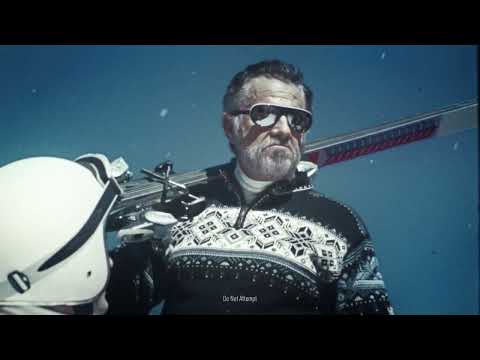
2006The Most Interesting Man in the World
Absurdly heroic boasts, such as having an awkward moment just to see how it feels, turn the character's mystique into a running joke.
-
 2006
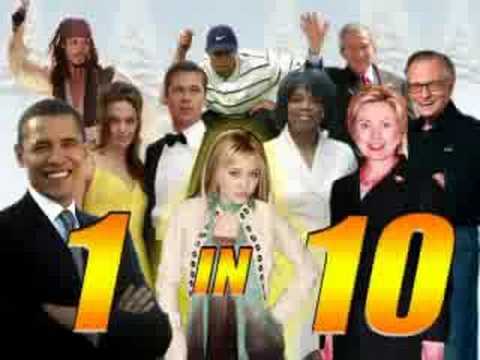
2006Elf Yourself
Seeing familiar faces bob about on dancing holiday elves makes a silly, personalised joke people want to pass on.
-
 2006
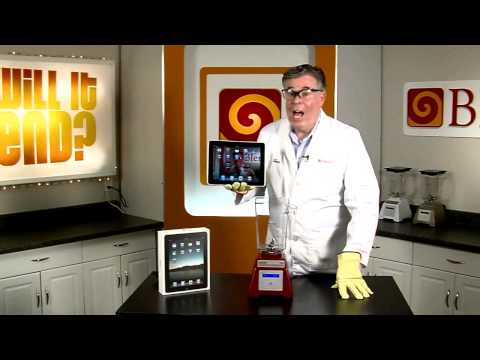
2006Will It Blend?
Asking whether ever more absurd objects will blend turns product testing into a comic series, fronted by the founder in a lab coat.
-
 2005
2005Australia Day Lamb
A former footballer delivers a deadpan, mock-statesmanlike rant against all things he deems un-Australian, vegetarians included.
-
 2005
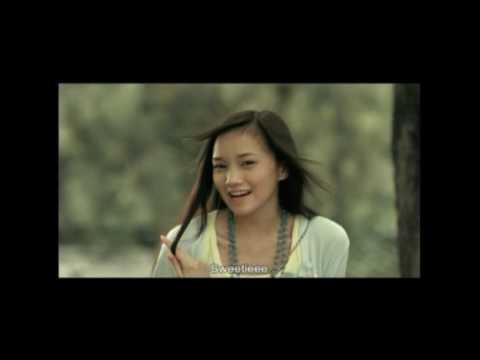
2005Love Story
Treats the hard sell as part of the joke, borrowing the open sales pitches of travelling-medicine film shows that stop at the most gripping moment.
-
 2005
2005Big Ad
Parodies advertising's own grandiosity, with two robed armies charging across mountains only to form a giant man drinking a beer.
-
 2005
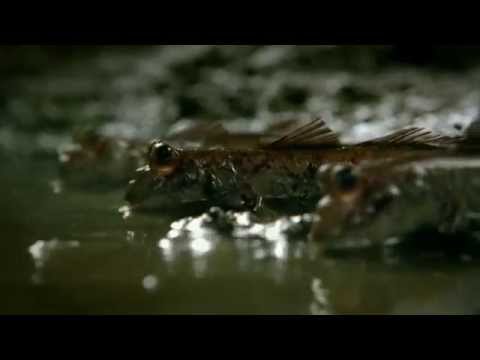
2005noitulovE
Ends with a mudskipper tasting muddy water and grimacing, a comic payoff to the idea that the pint has been aeons in the making.
-
Get chicken just the way you like it.Burger King2004
Subservient Chicken
Barely branded and faintly unsettling, a costumed chicken doing whatever users ask is an absurd joke built to be forwarded.
-
 2003
2003Outfit (Identity Theft)
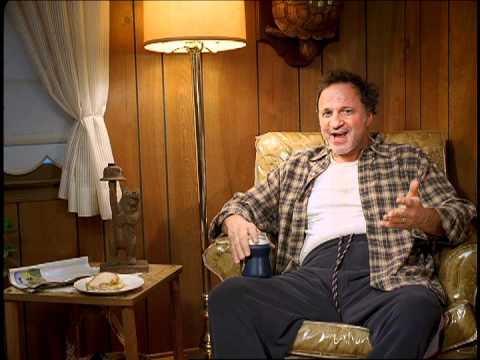
The comic mismatch of a beer-drinking man voicing a giddy young woman's shopping spree keeps a frightening subject light rather than hectoring.
-
 2003
2003Terry Tate: Office Linebacker
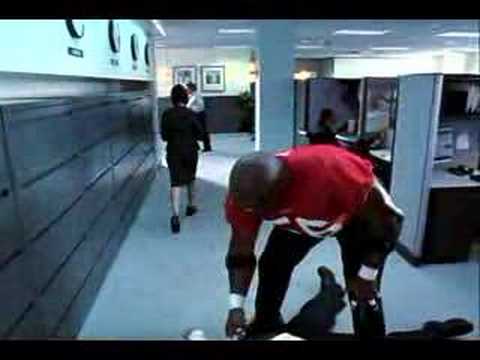
A hulking linebacker flattens office workers for petty sins like leaving the coffee pot empty, pure slapstick entertainment with no product in sight.
-
Small but tough. Polo.Volkswagen2003
Cops
Borrowing a cop-movie shoot-out cliché, the absurd choice of cover delivers the claim as a joke the reader gets in a second.
-
 2002
2002Bus
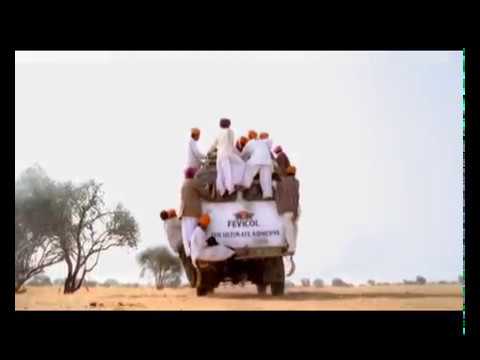
Withholds the brand until the final shot, letting an absurdly overloaded bus swaying across the desert build to a comic reveal.
-
 2002
2002Lamp
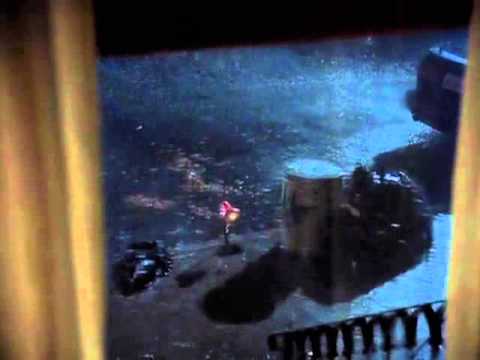
Builds real pity for an abandoned lamp in the rain, then has a Swedish-accented man call viewers crazy for feeling bad, puncturing the sentiment.
-
 2002
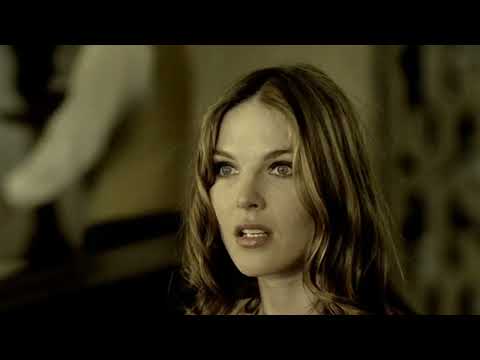
2002Metamorfosis
Turns a dull claim about longer-lasting fragrance into a comic relay set to a love song, starting with a young man swarmed by women.
-
 2002
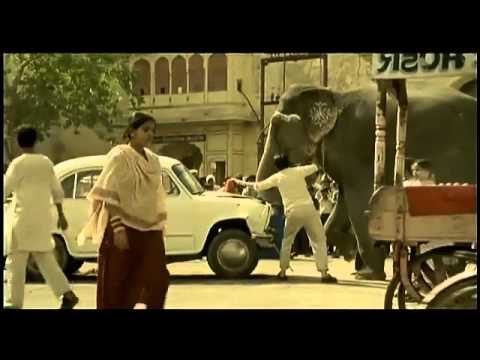
2002The Sculptor
Absurd methods, from ramming walls to having an elephant sit on the bonnet, make the man's obsession comic and memorable.
-
Beach, Bar, PoolClub 18-302002
Beach, Bar, Pool
Sex jokes, such as a beach-ball throw that looks like groping, slyly tell the truth about what really goes on during these holidays.
-
 2000
2000Not Happy, Jan!
A boss who learns her employee forgot to book the directory ad struggles to stay composed, then bellows the title line out of the window as Jan flees.
-
 2000
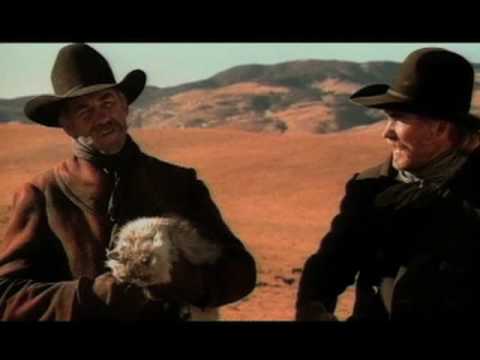
2000Cat Herders
Takes the cliché about herding cats literally, with grizzled cowboys driving thousands of house cats across the prairie and speaking reverently about lint rollers.
-
 2000
2000Bear
A nature documentary is ambushed by a fisherman kung-fu fighting a grizzly for a salmon, an absurd brawl that dramatises the brand's claim to endure the worst.
1990s
-
 1999
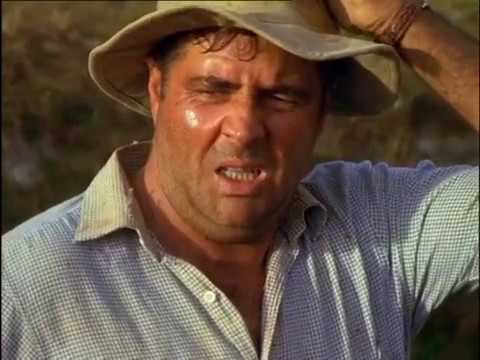
1999Bugger
Each mishap with the powerful new ute, from a flattened fence to a dog that misses the tray, draws the same single exasperated word.
-
 1999
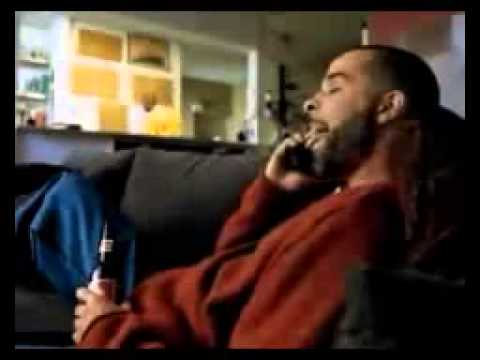
1999Whassup?
A drawn-out, repeated greeting becomes the comic hook, a catchphrase viewers can copy and pass along.
-
 1999
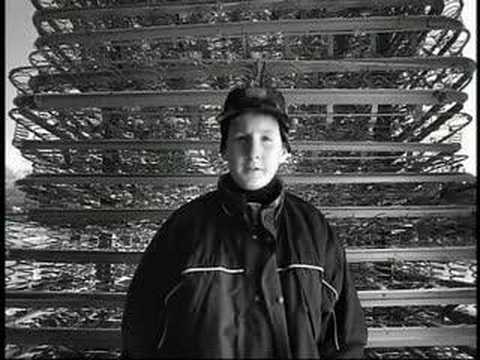
1999When I Grow Up
Children deadpan bleak career ambitions into the camera, such as filing all day or clawing up to middle management, to darkly comic effect.
-
Taco Bell Buys the Liberty BellTaco Bell1996
Taco Liberty Bell
Runs an April Fools' newspaper hoax claiming the chain has bought a national landmark, then owns up by noon.
-
 1995
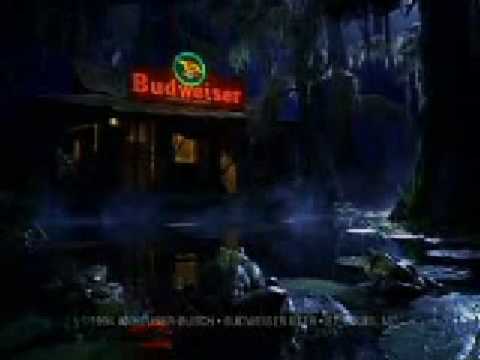
1995Frogs
Comic timing does the work as the croaks stumble and finally sync into the brand name, with no product story at all.
-
 1995
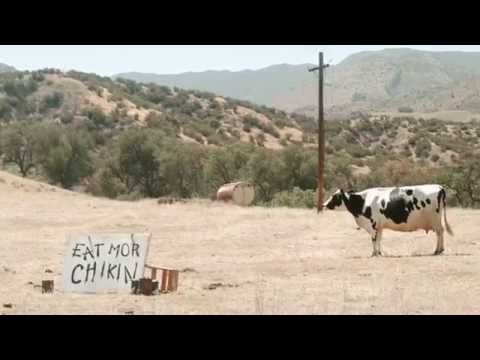
1995Eat Mor Chikin
Cows who cannot spell vandalise a billboard to save their own skins, lobbying people to eat a different animal.
-
 1994
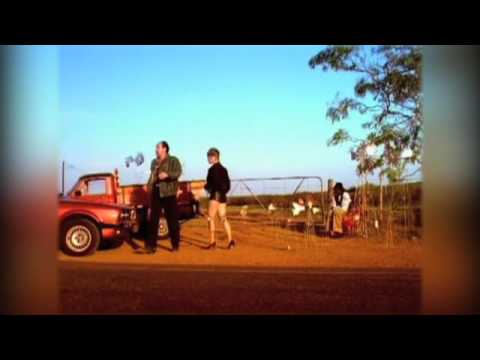
1994Yebo Gogo (Windmills)
Makes a would-be streetwise white yuppie the butt of the joke, gently mocking racial assumptions rather than offering rainbow-nation platitudes.
-
Hello Boys.Wonderbra (Playtex)1994
Hello Boys
Two cheeky words beside a model looking down at her own cleavage turn a bra poster into a knowing joke on a huge scale.
-
 1993
1993The Showdown (Jordan vs. Bird)
Each trick shot is more absurd than the last, off a billboard and through a window, until both aim from atop a skyscraper.
-
 1993
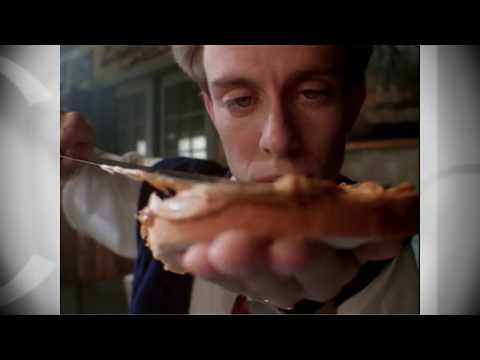
1993Aaron Burr (got milk?)
A history buff who knows the prize-winning answer cannot say it through a mouthful of peanut butter, making milk's absence the punchline.
-
 1992
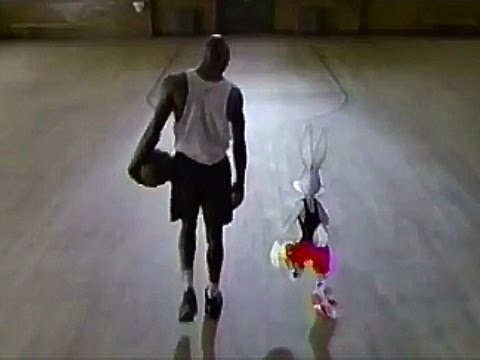
1992Hare Jordan
Live action and hand-drawn slapstick combine as a basketball star and a cartoon rabbit outwit a gang of bullies on court.
-
 1992
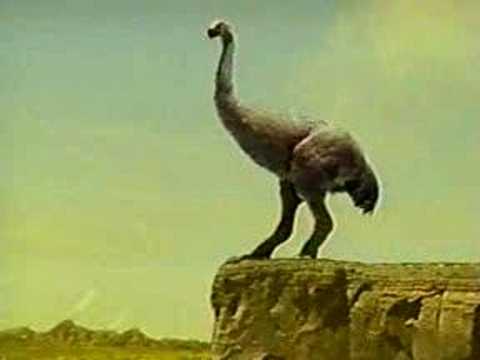
1992Hungry? (Moa / Synthetoceras)
Starving Stone Age hunters worn out by absurd prey push hunger to comic extremes before a deadpan voice offers the noodles as the answer.
-
 1992
1992New Can
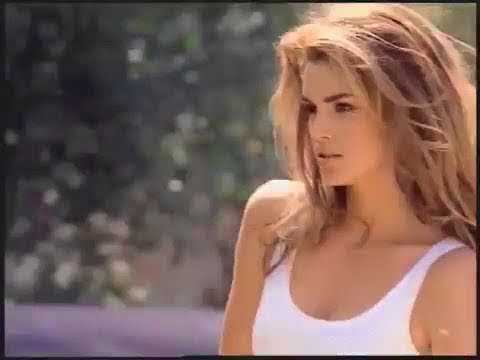
A last-second twist reveals the two staring boys were admiring the new can, not the supermodel, turning the set-up into a punchline.
-
 1992
1992Orange Man ("You Know When You've Been Tango'd")
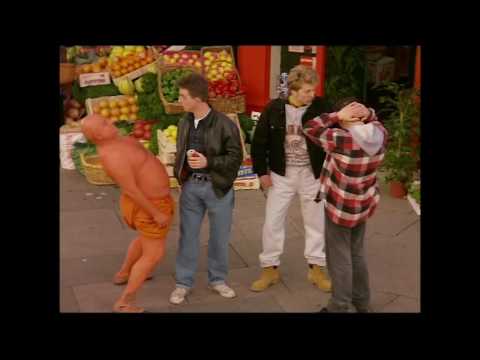
Replays a fat orange man slapping a drinker with mock sports-pundit commentary, dramatising the hit of orange as slapstick.
-
 1991
1991Glug Glug
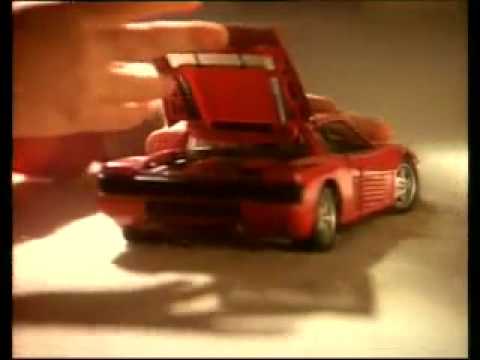
The boy's genuinely startled stare at the hole in his wall gives the exaggeration a likeable comic payoff.
-
 1991
1991Não é assim uma Brastemp
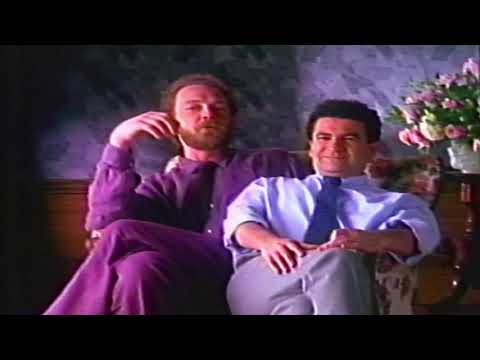
The mock-confessional, embarrassed hesitation before admitting a rival is merely fine makes the faint praise funny and endlessly quotable.
1980s
-
 1989
1989Supermarkt ("Tina, wat kosten die Kondome?")
A cashier's loud question about the price of condoms turns a shy customer's embarrassment into comedy, using a laugh rather than fear.
-
Still going. Nothing outlasts the Energizer.Energizer (Eveready)1989
The Energizer Bunny
The bunny barges through spoof commercials for coffee, wine and nasal spray, parodying the clichés of advertising itself.
-
 1989
1989Bo Knows
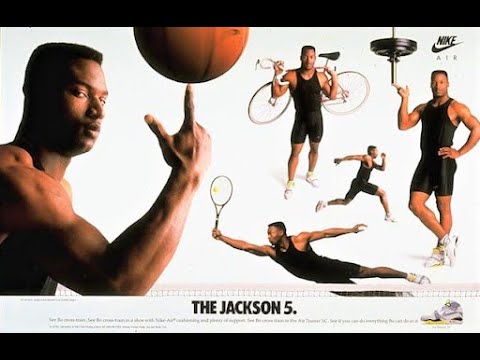
The tall tale escalates until the premise collapses, with a mangled guitar riff and a bluesman's verdict deflating the hero.
-
 1988
1988Just Do It (launch spot, "Walt Stack")
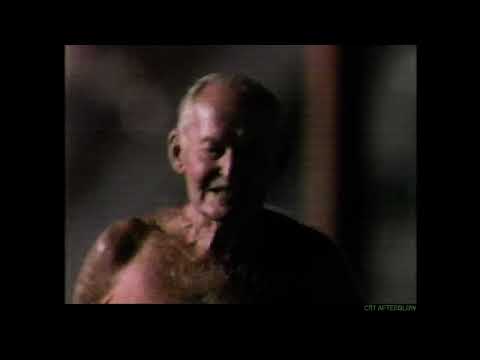
His dry joke about leaving his teeth in his locker keeps the spot anti-heroic and makes the runner instantly likeable.
-
"I never read The Economist." Management trainee. Aged 42.The Economist1988
"I never read The Economist." Management trainee. Aged 42.
Dry, teasing copy flatters the audience by knowing it well enough to poke fun at it.
-
 1987
1987Monkey (Walk Man '87)
A macaque stands upright in headphones, eyes closed and lost in the music, while a wry line asks whether people have evolved as sound has.
-
 1987
1987Spuds MacKenzie: The Original Party Animal
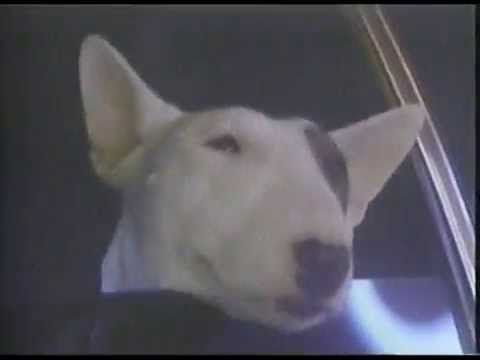
Treating a dog in a white tuxedo as the celebrity guest arriving by limousine at a nightclub gives the spot its tongue-in-cheek swagger.
-
 1987
1987Photo Booth ("Happiness is a cigar called Hamlet")
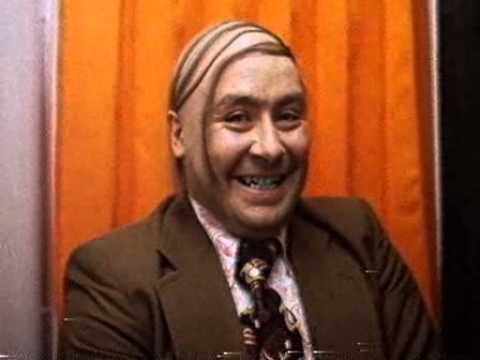
A balding man battles a photo booth, fussing over his comb-over and missing every flash, until cigar smoke rises as consolation.
-
 1985
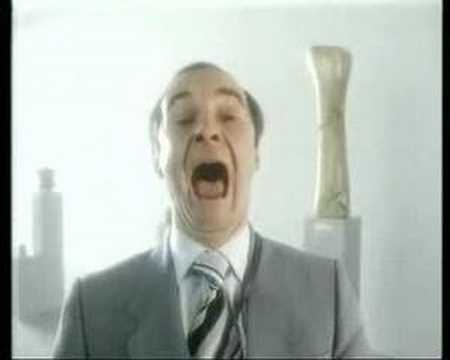
1985Even Apeldoorn bellen
Each spot stages an absurd mishap and resolves it with the same deadpan advice to just call the insurer's home town.
-
 1985
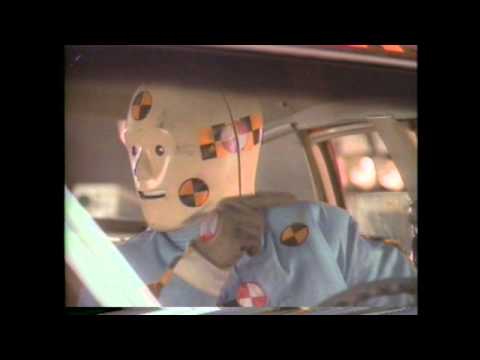
1985Vince and Larry, the Crash Test Dummies ("You Could Learn a Lot from a Dummy")
Slapstick collisions replace gruesome crash footage, so the warning about seat belts arrives as comedy that families welcome into their living rooms.
-
 1984
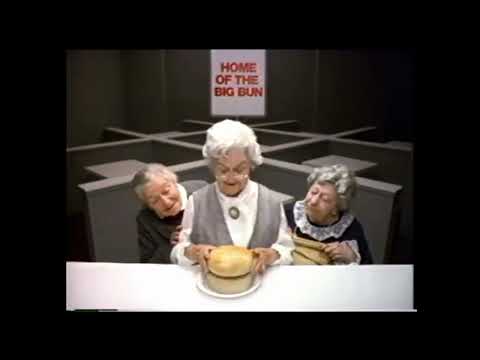
1984Fluffy Bun ("Where's the Beef?")
An 81-year-old woman's raspy demand to know where the beef is turns a burger complaint into a deadpan comic catchphrase.
-
It also sticks handles to teapots.Araldite1983
It Also Sticks Handles to Teapots
An understated line about also sticking handles to teapots, and later follow-ups, add a dry joke to the spectacle.
-
 1981
1981Fast Paced World ("Fast Talker")
A breathless executive hires, delegates and closes deals at absurd speed, parodying business chatter so the promise of speed becomes a comic performance.
1970s
-
Labour isn't working. Britain's better off with the Conservatives.The Conservative Party (UK)1978
Labour Isn't Working
Three words pun on the governing party's name and the state of the nation, landing the attack as a memorable joke.
-
 1977
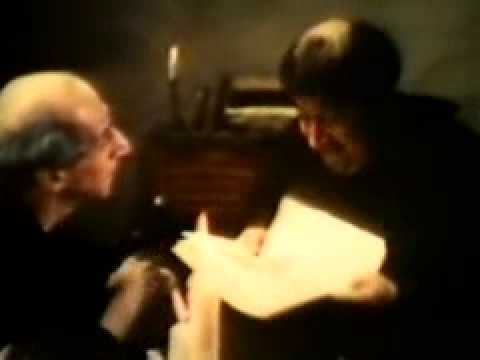
1977Monks ("Brother Dominic")
A monk asked for 500 more copies of an illuminated manuscript slips off to a duplicator, and his superior hails the result as a miracle.
-
 1974
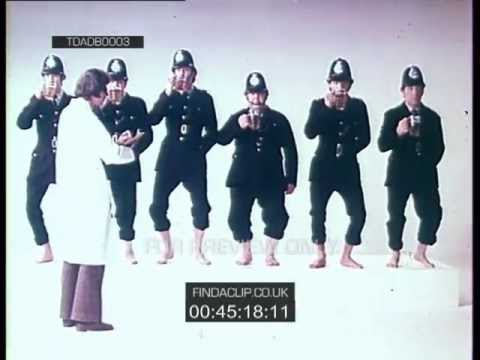
1974Refreshes the Parts Other Beers Cannot Reach
Each spot finds some ailing part of British life, from policemen's tired feet to a stubborn elocution lesson, and absurdly revives it with lager.
-
 1974
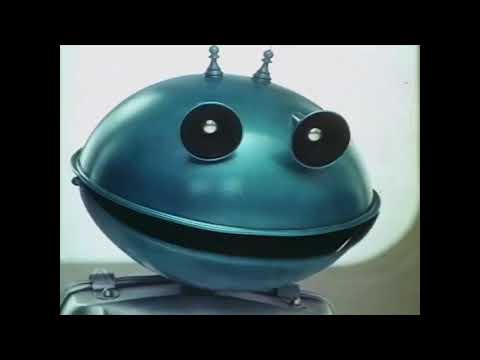
1974Martians ("For Mash Get Smash")
Giggling robot Martians collapse in laughter at humans who peel, boil and smash potatoes, making instant mash look like the future.
-
 1974
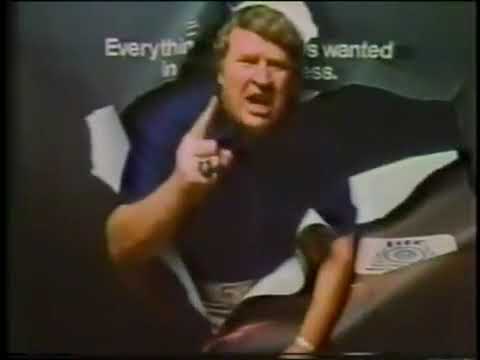
1974Tastes Great, Less Filling
Retired athletes and gruff celebrities stage mock arguments over whether the beer tastes great or is less filling, hammering both benefits.
-
Let Noxzema cream your face.Noxzema1973
Let Noxzema Cream Your Face
The promise of getting 'creamed' reads as both locker-room banter and something racier, and that knowing wink is the whole strategy.
1960s
-
 1969
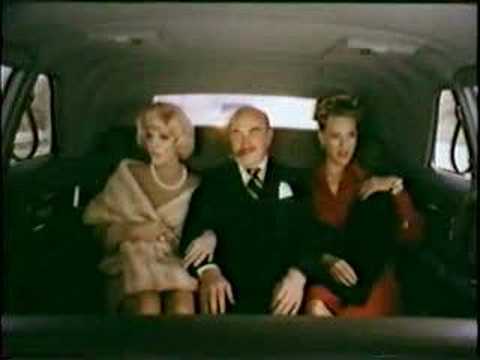
1969Funeral
A dead man settles scores from beyond the grave, leaving his spendthrift wife and sons almost nothing, which makes thrift funny.
-
 1969
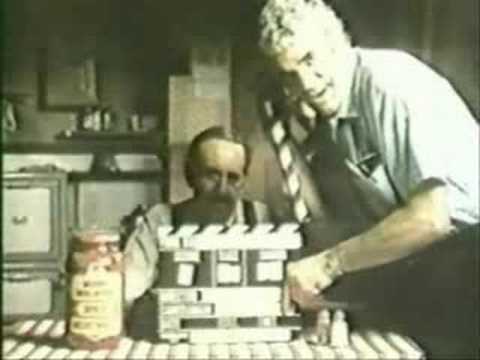
1969Spicy Meatball
Parodies advertising itself, as an actor shooting a meatball commercial fluffs his line take after take while eating ever more meatballs.
-
 1966
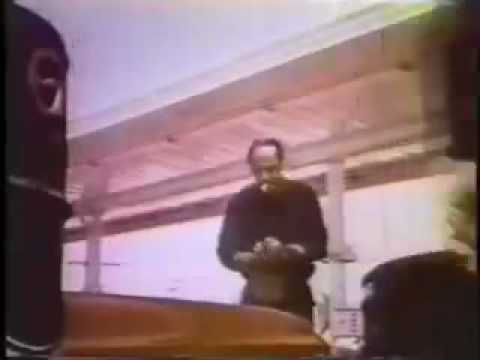
1966The Disadvantages
Rapid two-second vignettes of smokers caught out by the cigarette's length make the selling fast, visual and self-mocking.
-
 1966
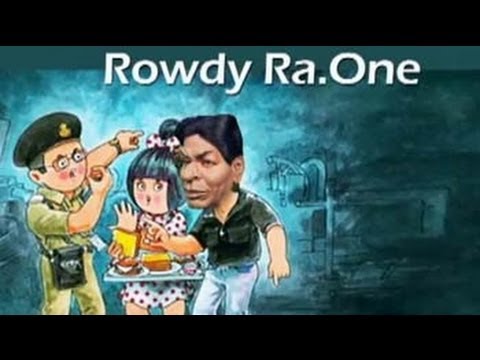
1966The Amul Girl Topicals ("Utterly Butterly Delicious")
Each topical comment lands as a one-line pun before the familiar butter sign-off.
-
You don't have to be Jewish to love Levy's.Levy's (Henry S. Levy & Sons)1961
You Don't Have to Be Jewish to Love Levy's
A short, disarming headline plays gently on expectations about who eats Jewish rye.
1950s
-
 1959
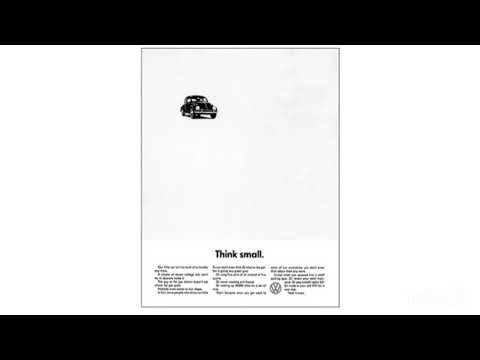
1959Think Small
Wry, self-mocking copy and a tiny car adrift in white space make the reader smile while being persuaded.
-
 1957
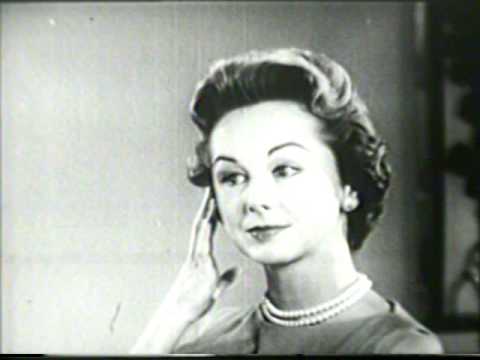
1957Does She... or Doesn't She?
A teasing double entendre turns hair colouring from a guilty secret into a playful promise that nobody else will be able to tell.
-
 1956
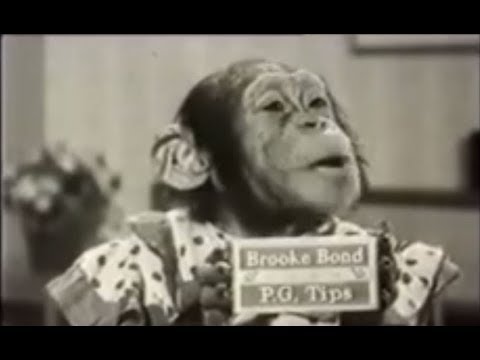
1956The PG Tips Chimps
Lip-synced to stars' voices and cast in sitcom roles such as a piano-shifting removal man, the chimps deliver gentle, parochial British comedy.
1940s
-
I dreamed I went shopping in my Maidenform braMaidenform1949
I Dreamed I Went Shopping in My Maidenform Bra
A woman dreaming she is out shopping in only her bra turns an unmentionable product into witty fantasy.
-
Monsavon au laitMonsavon1949
Monsavon au lait
The cheerful pink-and-white cow turns the selling point into a sight gag, proof that a poster can be funny and still sell.
-
 1941
1941Coughs and Sneezes Spread Diseases
Cartoons of offenders sneezing over horrified bystanders use comic embarrassment rather than fear to change a habit.
-
Careless talk costs livesMinistry of Information (UK)1940
Careless Talk Costs Lives
Cartoon Nazi leaders eavesdropping on ordinary gossipers turn a security warning into a shared joke that persuades without preaching.
1930s
-
 1935
1935The Guinness Toucan ("Just think what Toucan do")
A comic verse punning on the bird's name binds character, joke and product together so they cannot be pulled apart.
-
Dubo, Dubon, DubonnetDubonnet1932
Dubo, Dubon, Dubonnet
Wordplay grows the name from something beautiful to something good to the brand itself, delivered by a charming little drinker.
1920s
Humour: how it works
Humour is one of advertising's most reliable tools for getting attention and being remembered, and the funniest ads are among the most loved pieces of popular culture. Comedy takes many forms here: deadpan understatement, absurd characters, parody of other ads, slapstick and catchphrases people repeat for years.
What makes a funny ad work
- The joke is about the product or its benefit, so the laugh is linked to the brand.
- A character or catchphrase gives the joke a life beyond one spot.
- The ad respects the audience's intelligence rather than shouting at it.
The risk
Funny ads can be remembered for the joke while the brand is forgotten, and humour dates quickly. The examples below explain how each one ties its comedy back to what it is selling.