Technique
Logos
Ads that persuade through logic and evidence: facts, figures, reasons and proof the audience can check.
2020s

2010s
-
 2019
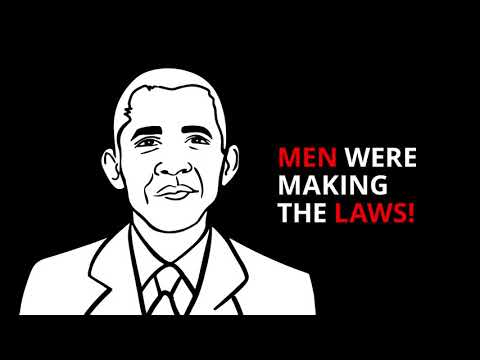
2019The Tampon Book
Exposes the absurdity of the tax rules by selling tampons inside a book at the lower rate books enjoy, so the product itself is the argument.
-
 2018
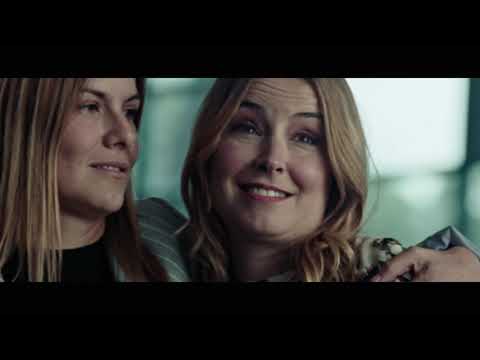
2018Tenemos que vernos más ("We Have to See More of Each Other")
The film's arithmetic rests on official Spanish life-expectancy data, so a cold statistic becomes the whole argument.
-
 2018
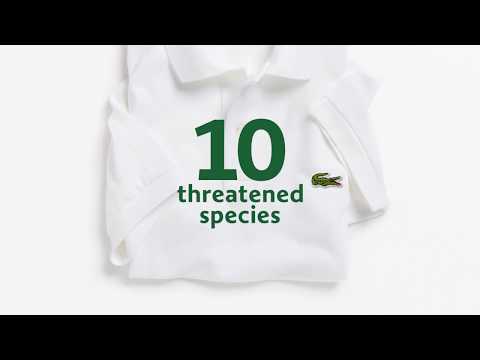
2018Save Our Species
Matches the number of shirts made for each species to the estimated animals left in the wild, so the print run states the fact.
-
 2016
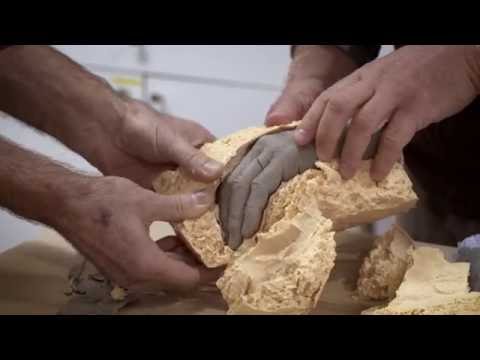
2016Meet Graham
Turns an abstract truth, how little force the human body can absorb, into a physical figure people can walk around and study.
-
 2015
2015Emoji Ordering
The pitch is pure convenience: link an account to a saved order once, tweet one character, confirm, and dinner is on its way.
-
 2014
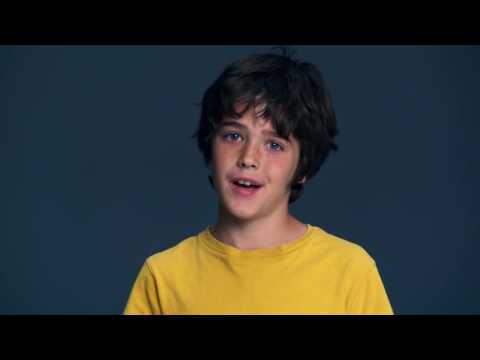
2014#LikeAGirl
Asking adults and boys, then young girls, to run like a girl captures the gap between insult and reality, proving the point rather than asserting it.
-
 2013
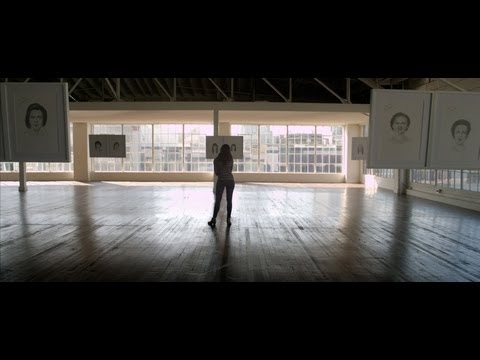
2013Real Beauty Sketches
The experiment supplies its own evidence, as strangers' sketches are consistently more beautiful, backing research that few women consider themselves beautiful.
-
 2013
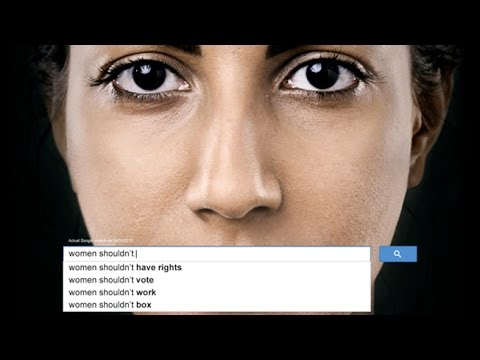
2013The Autocomplete Truth
Genuine autocomplete suggestions serve as evidence, showing what searches reveal about attitudes to women instead of simply asserting that sexism persists.
-
Don't buy this jacket.Patagonia2011
Don't Buy This Jacket
The copy quantifies the jacket's water use and carbon dioxide, giving readers concrete reasons to buy less.
-
 2011
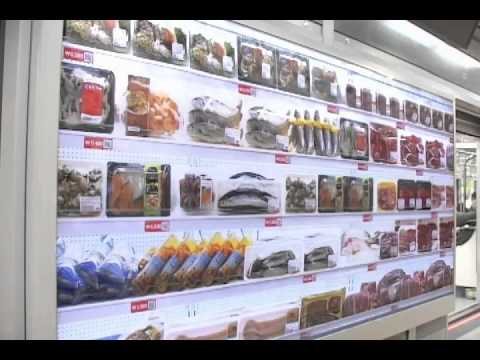
2011Subway Virtual Store
Offers a clear practical benefit to busy workers: shop during dead waiting time and get the groceries delivered that evening.
2000s
-
 2009
2009Xixi no Banho ("Pee in the Shower")
The joke rests on simple arithmetic about the drinking water each toilet flush wastes and how much one shower wee a day saves.
-
 2009
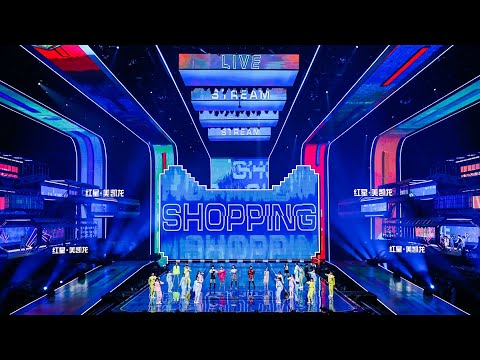
2009Singles' Day (11.11)
Gives shoppers concrete reasons to buy on the day: half-price deals and free delivery from a midnight start.
-
 2008
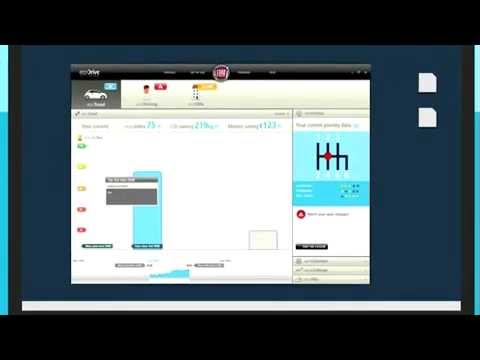
2008eco:Drive
Each trip is scored out of 100 on acceleration, braking, gear changes and speed, with the CO2 emitted and money that could be saved worked out.
-
 2006
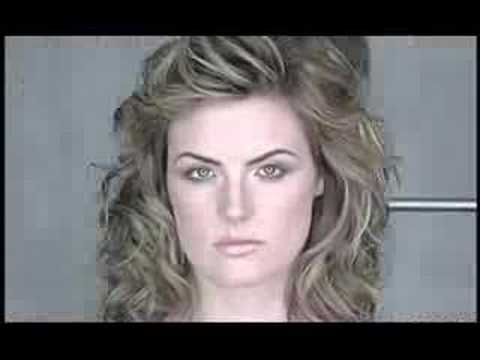
2006Evolution
Compressing make-up, lighting and Photoshop stretching into 75 seconds shows exactly how a model's image is manufactured, letting viewers see the distortion for themselves.
-
 2000
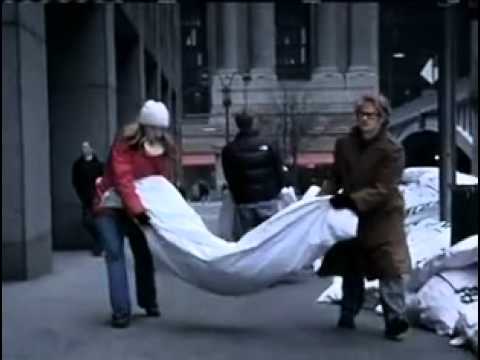
2000Body Bags
The pile makes a hard statistic visible, one bag for each person tobacco kills every day, in place of a lecture about health.
1990s
-
Milk. What a surprise!National Fluid Milk Processor Promotion Board (MilkPEP)1995
The Milk Mustache ("Milk. What a Surprise!")
Brisk copy on nutrition gives women who had drifted away from milk practical reasons to drink it again.
-
 1992
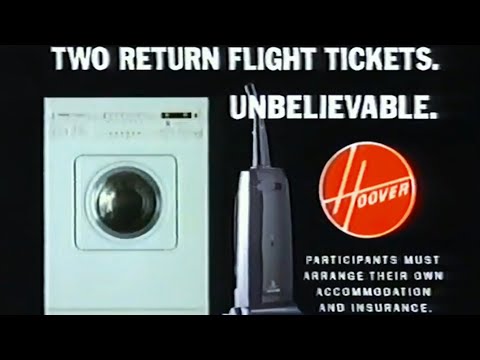
1992Free Flights Promotion
Offers a seemingly unbeatable deal, two free return flights for a £100 spend, worth far more than the appliances themselves.
1980s
-
 1986
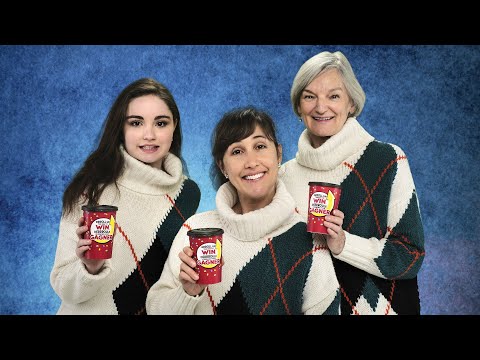
1986Roll Up the Rim to Win
Parks real prize cars outside stores so sceptical customers can see for themselves that the rewards are genuine.
-
Perception. Reality.Rolling Stone1985
Perception. Reality.
Paired images labelled perception and reality argue to media buyers that the readers they picture as broke hippies are young professionals with money.
-
 1984
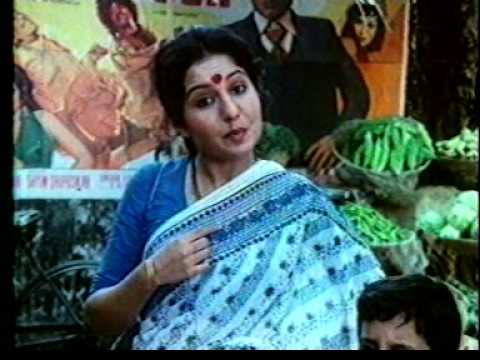
1984Lalitaji
A careful shopper explains the difference between a cheap product and a good one, arguing that the pricier powder is the sensible buy.
-
 1980
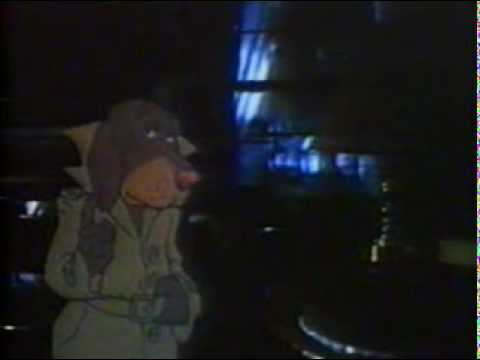
1980Take a Bite Out of Crime ("McGruff the Crime Dog")
Instead of stoking fear, it hands viewers simple practical steps, such as locking doors and asking a neighbour to watch the house.
1970s

1960s

1950s
1940s

1930s

1920s
1880s
-
 1888
1888You Press the Button, We Do the Rest
A short slogan reduces photography to a simple rational promise: you take the picture and the company handles everything else.
-
 1882
188299 44/100% Pure (“It Floats”)
An oddly exact purity figure, derived from chemists' analyses, makes the soap's quality sound measured rather than boasted.
Logos: how it works
Logos is the appeal to reason, the third of Aristotle's modes of persuasion. A logos ad makes an argument: it gives you facts, numbers, a demonstration or a clear chain of reasons why the product is the sensible choice.
How to spot it
- Specific claims, statistics, comparisons or test results.
- Long copy that builds a case point by point.
- A rational benefit (cheaper, faster, safer, longer-lasting) at the centre of the idea.
Why it works
Reasons give people permission to buy and something to repeat to others. The best logos ads make the argument vivid rather than dry, often by turning a single fact into a striking image or line. Pure logic is rare in great advertising, so many of these examples pair evidence with wit or emotion.