Technique
Fear appeal
Ads that show a threat (to health, safety, status or the future) and offer the product, behaviour or vote as the way out.
All ads
-
 2022
2022The First Digital Nation
The camera pulls back to reveal a digital replica, confronting viewers with a nation whose islands are expected to be lost to rising seas.
-
 2019
2019Back-to-School Essentials
Confronts parents with the threat of a shooting at school, then offers a concrete way to help prevent it: learning the warning signs.
-
 2014
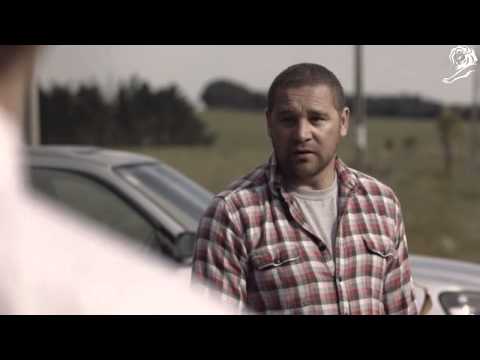
2014Mistakes
Freezes two cars moments before a collision to show that driving a little too fast leaves no room for other people's mistakes, so slow down.
-
 2014
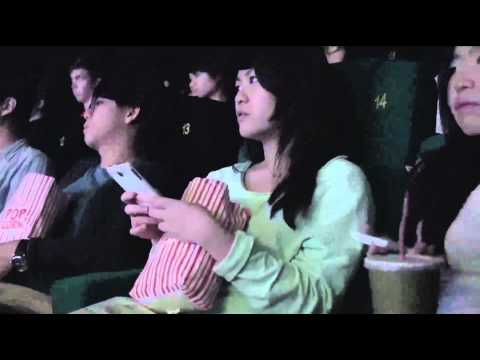
2014Eyes on the Road
As viewers look down, the on-screen car crashes, followed by the claim that phone use is the leading cause of death at the wheel.
-
 2012
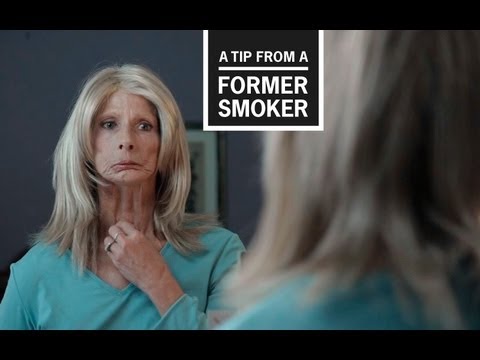
2012Tips From Former Smokers ("Terrie")
It shows the lasting physical damage of smoking-related disease to frighten smokers into calling a quitline and trying to quit.
-
 2005
2005Not Even Once ("Just Once")
Graphic scenes of peers ruined by the drug warn that trying meth even once leads to stealing, sex for drugs and a sister following suit.
-
 2003
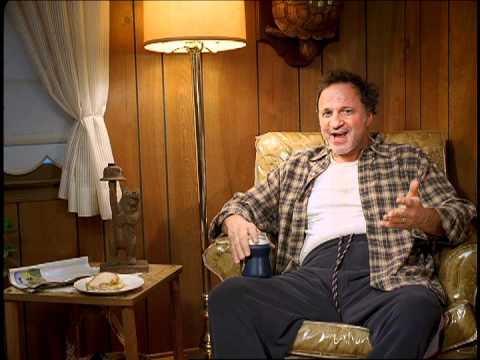
2003Outfit (Identity Theft)
Makes the invisible threat of identity theft vivid by putting a thief's gloating voice in a victim's mouth, then offers the bank's new service as protection.
-
New Labour, New DangerThe Conservative Party (UK)1996
New Labour, New Danger ("Demon Eyes")
Demonic red eyes peering through a gap in curtains warn that the rival party hides a new danger behind its fresh image.
-
 1989
1989Girlfriend ("If You Drink, Then Drive, You're a Bloody Idiot")
It confronts drink drivers with the injuries they could inflict on someone close to them, reinforced by an expansion of random breath testing.
-
"I never read The Economist." Management trainee. Aged 42.The Economist1988
"I never read The Economist." Management trainee. Aged 42.
The confession of a 42-year-old management trainee warns readers of the career cost of not reading the magazine.
-
 1987
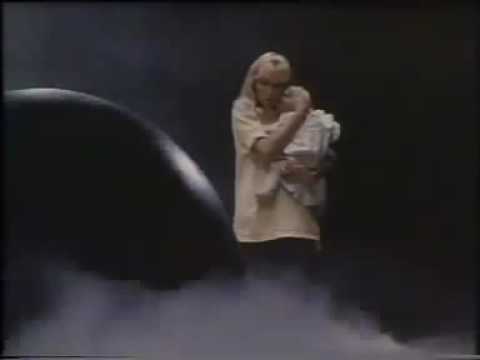
1987The Grim Reaper
A hooded Death bowls down men, women and children as pins, warning that the disease is no longer confined to any one group.
-
 1987
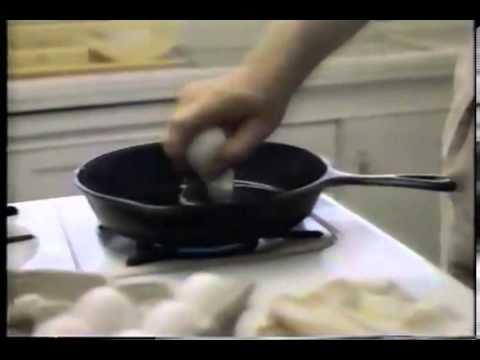
1987This Is Your Brain on Drugs ("Fried Egg")
Equates drug use with a brain frying like an egg in a hot pan, a blunt threat to health delivered in seconds.
-
 1986
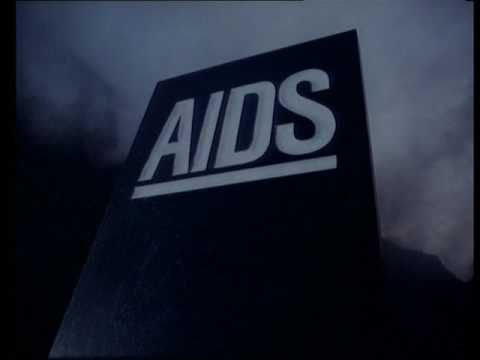
1986Don't Die of Ignorance ("Monolith")
A granite tombstone carved with the disease's name and a funereal voiceover warn that ignoring it could be the death of you.
-
 1984
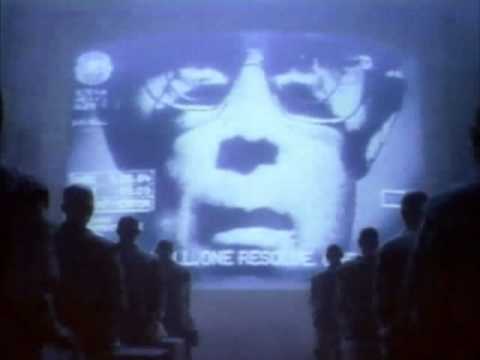
19841984
Conjures an Orwellian future of conformity under Big Brother and offers the new computer as the reason that future will not arrive.
-
Labour isn't working. Britain's better off with the Conservatives.The Conservative Party (UK)1978
Labour Isn't Working
A long dole queue snaking towards an unemployment office makes joblessness the threat and a change of government the remedy.
-
 1964
1964Daisy ("Peace, Little Girl")
A little girl's petal count dissolves into a missile countdown and nuclear blast, presenting nuclear war as the stake of the vote.
-
 1943
1943When You Ride Alone You Ride with Hitler!
Equating a half-empty car with collaboration makes wasting scarce fuel and tyres feel like helping the enemy win.
-
 1942
1942Loose Lips Might Sink Ships
A ship rolling over into black smoke shows the deadly result of a careless word, warning the viewer to stay silent.
-
 1942
1942Someone Talked!
A drowning sailor points at the viewer, making the deadly consequence of a careless remark personal and immediate.
-
Careless talk costs livesMinistry of Information (UK)1940
Careless Talk Costs Lives
Beneath the joke, the blunt claim that careless talk costs lives reminds readers what is at stake if they chatter.
-
 1925
1925Often a Bridesmaid but Never a Bride
A clinical-sounding condition, halitosis, is presented as a hidden social danger that can quietly ruin a woman's chances of marriage.
-
 1919
1919Within the Curve of a Woman's Arm
Lyrical copy warns that a woman could offend without ever knowing it, turning sweat into a hidden social danger the product removes.
Fear appeal: how it works
A fear appeal shows the audience a threat and then offers a way to avoid it: buy this, do this, vote this way. Fear is common in public service advertising about smoking, drink-driving, disease and road safety, and in political ads, but brands use it too, from social embarrassment to security.
How to spot it
- A vivid danger or consequence, often shown rather than described.
- A clear action that removes the threat.
- Shock or discomfort used to break through indifference.
Why it works, and when it backfires
Fear grabs attention and can change behaviour when people believe both the threat and the solution. Research on fear appeals suggests that without a clear, achievable action, frightened audiences tend to tune out instead. The examples below explain how each ad balances threat and response.