Psychology
Loss aversion
Losing something hurts more than gaining the same thing pleases, so showing what we stand to lose moves us more than a promise of gain.
2020s
-
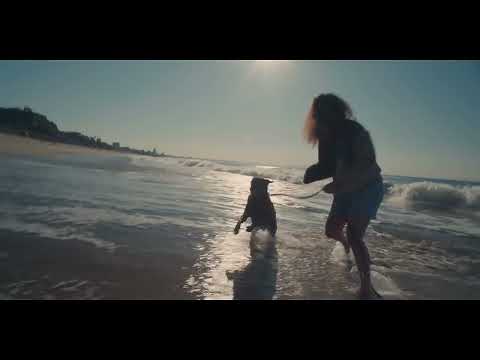 2023
Forever
Withholds the death every dog owner braces for, turning that fear into a longing for more years together, which fresh food promises to give.
-
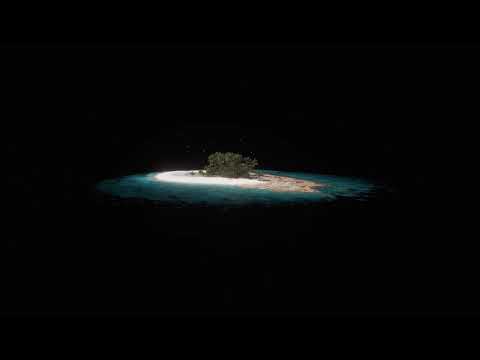 2022
The First Digital Nation
Reveals that the islet where the minister stands is already only a digital copy, making the disappearance of a whole nation's land, culture and statehood feel real.
-
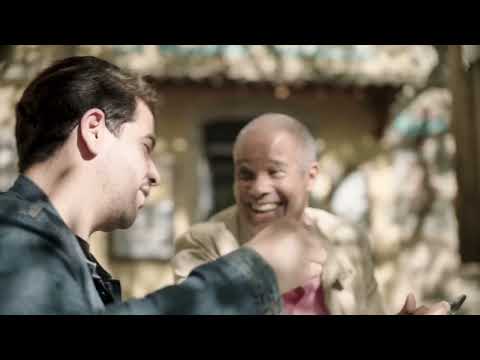 2022
Plug Inn
Answers drivers' fear of being unable to charge on a long trip with bookable home chargers, easing a worry that can weigh more than an electric car's gains.
-
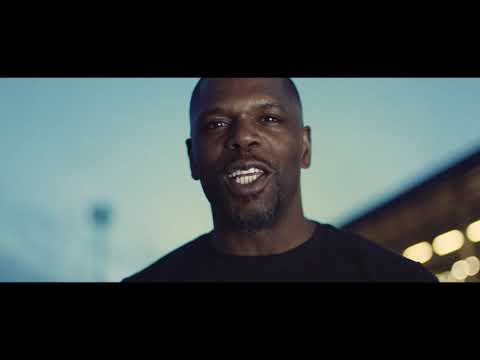 2021
Long Live the Prince
Ages his likeness to 30, the age he would have reached, with a QPR squad number and a trading card, so players could see exactly what the knife took away.
-
 2021
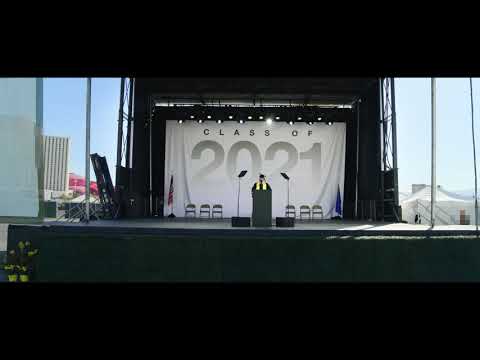
The Lost Class
Sets out 3,044 empty seats at a staged graduation, each for a student shot dead before the big day, so every parent watching can picture the child they stand to lose.
2010s
-
 2019
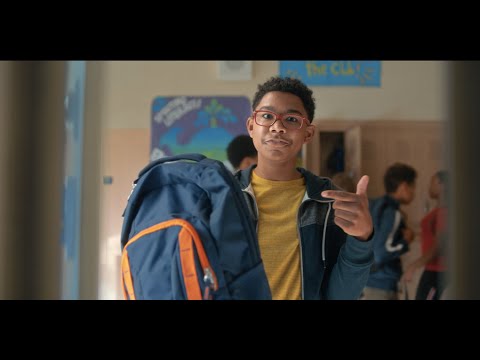
Back-to-School Essentials
Turns the new phone into a last text to a parent, confronting mothers and fathers with the child they could lose, then giving them something to do: know the signs.
-
 2018
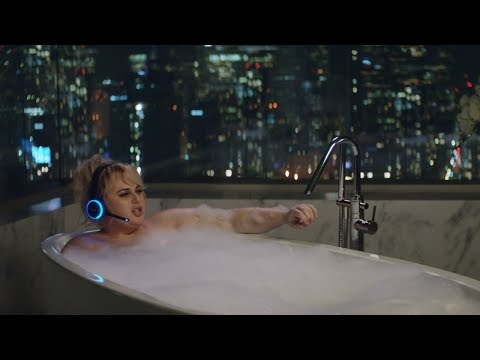
Alexa Loses Her Voice
Silences Alexa mid-forecast and makes viewers picture their everyday requests going badly, which proves her worth more sharply than any list of features.
-
 2018
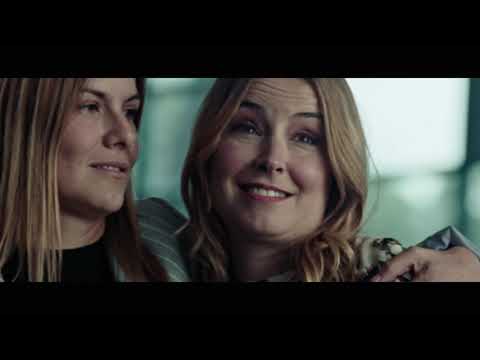
Tenemos que vernos más ("We Have to See More of Each Other")
Tells real friends and relatives how little time they statistically have left together, and the shrinking figure hurts more than any promise of good times.
-
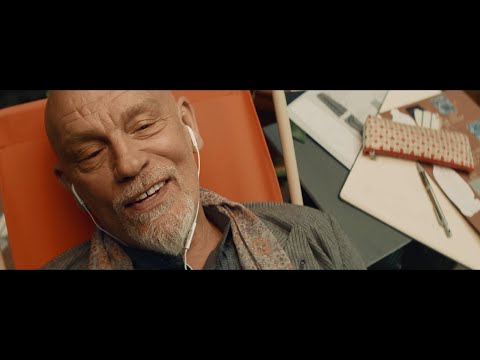 2017
Calling JohnMalkovich.com
Reduces a star to pleading with a stranger for his own name online, and viewers feel what they would lose if someone took theirs first.
-
 2015
#heimkommen ("Coming Home")
Makes his children, and the audience, believe a father has died, and the thought of a parent gone for good hits harder than any reminder to call home.
-
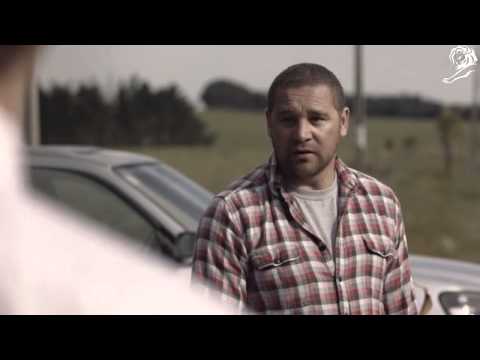 2014
Mistakes
Sets a man rushing to work a little too fast against a father with his young son in the back, so a few minutes gained are weighed against a child's life.
-
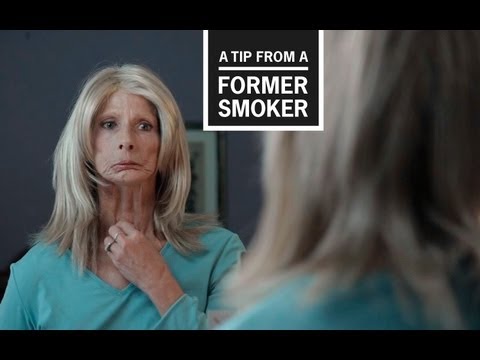 2012
Tips From Former Smokers ("Terrie")
Shows the teeth, hair and larynx that throat cancer treatment took from her, so smokers saw exactly what they stood to lose if they kept smoking.
-
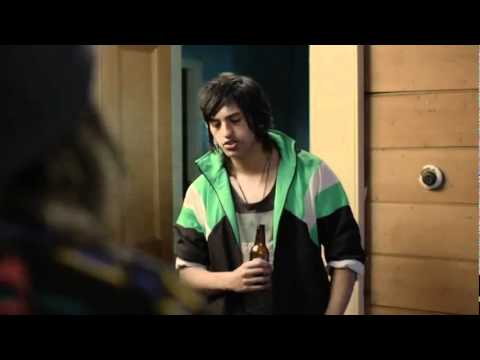 2011
Legend ("Ghost Chips")
Lets the hero picture what staying quiet might cost, down to George's ghost offering chips he can never take, so silence feels like losing a friend for good.
-
 2010
Embrace Life
Shows a wife and daughter holding a father in his seat as a crash comes, so buckling up becomes about not leaving the people you love.
-
 2010
The American Takeover
Swaps a flag wrapper Romanians had known since 1964 for the Stars and Stripes, and losing it made young people fight for what they had shrugged at.
2000s
-
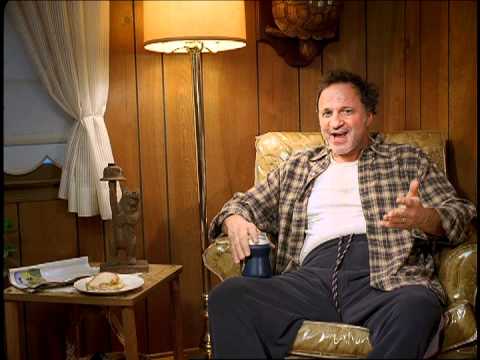 2003
Outfit (Identity Theft)
Puts a thief's gloating over a $1,500 bustier into the mouth of the man whose card paid for it, making viewers picture a stranger happily spending their money.
-
 2000
Not Happy, Jan!
Shows a business left out of a whole edition because its ad was never booked, so small-business owners feel what forgetting the deadline would cost.
1990s
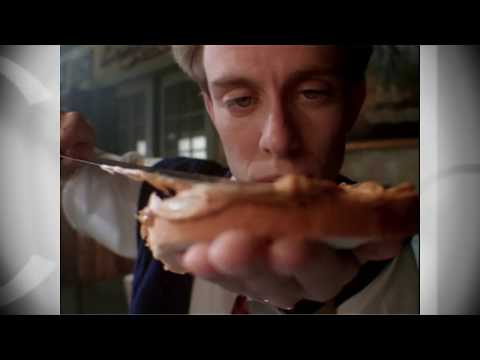
1980s
-
 1989
Girlfriend ("If You Drink, Then Drive, You're a Bloody Idiot")
Makes the injured woman the drunk driver's own girlfriend, so the cost of drinking and driving lands as harm to someone he loves.
-
"I never read The Economist." Management trainee. Aged 42.The Economist1988
"I never read The Economist." Management trainee. Aged 42.
A 42-year-old still stuck as a trainee shows what not reading could cost, and fear of falling behind moves ambitious people more than a promise of getting ahead.
-
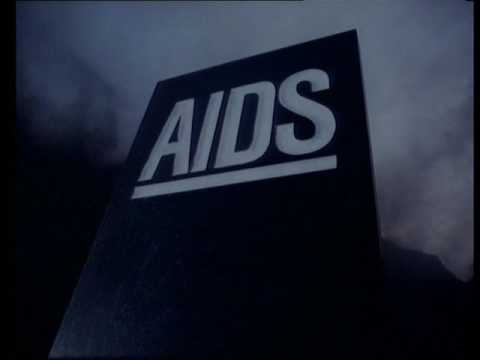 1986
Don't Die of Ignorance ("Monolith")
Frames ignorance itself as what could kill you, so reading the leaflet feels like a small price for staying alive.
-
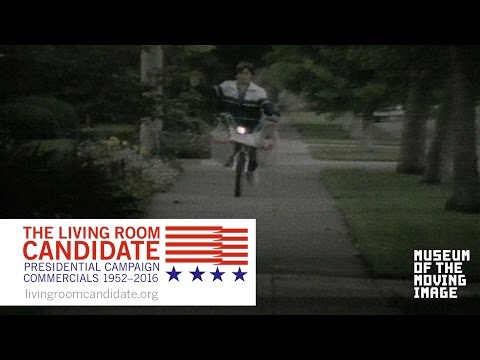 1984
Prouder, Stronger, Better ("Morning in America")
Asks why anyone would go back to where the country was less than four short years ago, so a vote for change felt like giving up what had been regained.
1960s
1940s
-
 1942
Loose Lips Might Sink Ships
Puts the price of idle talk at a whole ship going down, a loss heavy enough to make anyone think twice before speaking of what they knew.
-
Careless talk costs livesMinistry of Information (UK)1940
Careless Talk Costs Lives
Puts the same blunt line under every cartoon, careless talk costs lives, so a moment's chatter is weighed against lives that could be lost.
1920s

1910s
-
 1919
Within the Curve of a Woman's Arm
Sets a warning that a woman could offend without ever knowing it beneath a couple about to embrace, so readers feared losing the very closeness pictured.
-
 1917
Wake Up, America! Civilization Calls Every Man, Woman and Child!
Shows Columbia in her liberty cap dozing as storm clouds gather, so viewers feel the threat of losing the liberty and civilisation they already have.
-
 1915
Daddy, what did YOU do in the Great War?
Shows a father with no answer for his daughter after the war, so staying at home looks like losing his children's respect for the rest of his life.
Loss aversion: where it comes from
Daniel Kahneman and Amos Tversky found that losses weigh more heavily than equal gains: losing £100 feels worse than winning £100 feels good (Kahneman and Tversky, 1979). The work later won Kahneman the Nobel prize in economics.
In ads it shows up as what you stand to lose: your health, your money, your time, a life or a chance that won't come again.