Psychology
Mere-exposure effect
The more often we meet something, the more we like it, so a jingle, mascot or slogan repeated for years becomes an old friend.
2020s
-
 2024
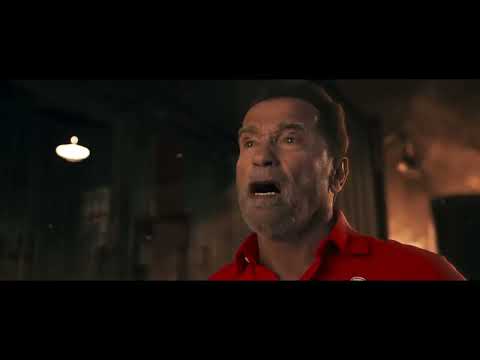
Like a Good Neighbaaa
Builds the joke on a jingle viewers have heard for years, so each mangled 'neighbaaa' plays the familiar line yet again.
-
 2021
Lu from Magalu
Has kept the same character from a website helper in 2003 to music videos and football commentary, so years of encounters made her familiar and well liked.
2000s
-
 2006
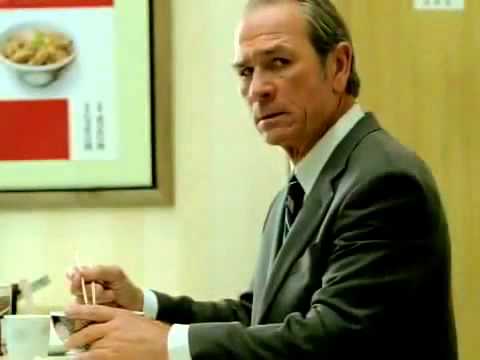
Alien Jones (Earth Survey series)
Has returned since 2006 with a new job each time, past 70 occupations by 2020, so the deadpan alien has become a familiar face to Japanese viewers.
-
 2005
Australia Day Lamb
Has returned every summer for twenty years, so the yearly rant became a holiday fixture, and within a decade lamb sales the week before ran about 48 per cent above normal.
1990s
-
 1997
Priceless
Has repeated the same tally-then-priceless pattern for more than 25 years, so every new list, even one people write themselves, feels familiar and points back to the card.
-
 1995
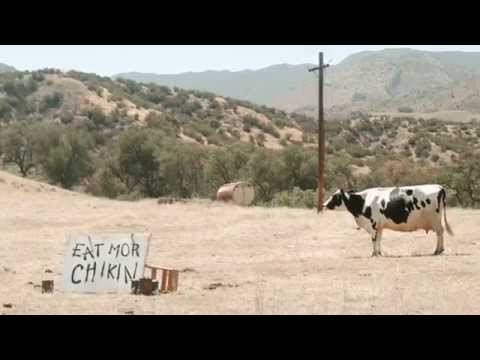
Eat Mor Chikin
Kept the same renegade cows running for more than twenty years across billboards, radio, TV and buildings, until they were the chain's familiar voice.
-
Milk. What a surprise!National Fluid Milk Processor Promotion Board (MilkPEP)1995
The Milk Mustache ("Milk. What a Surprise!")
Repeated the same white upper-lip device for some two decades with a revolving cast, so the mark of milk became instantly familiar even as the faces changed.
-
 1991
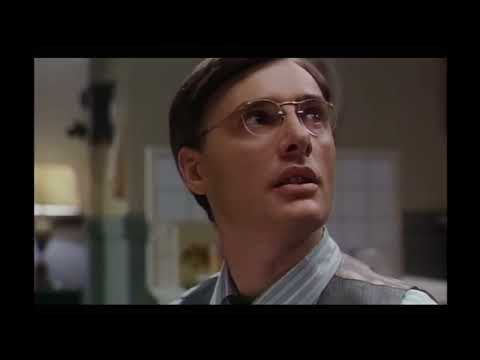
Heritage Minutes
Aired between cartoons and other programmes, thousands of times a month, until 'I smell burnt toast' became a catchphrase a whole generation shared.
1980s
-
 1989
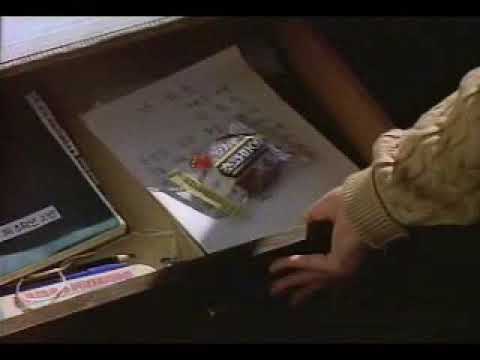
Jeong
Three decades of commercials returning to jeong, set to a heartfelt jingle, made the snack a familiar part of how Koreans imagine the feeling itself.
-
Still going. Nothing outlasts the Energizer.Energizer (Eveready)1989
The Energizer Bunny
Kept the same drumming pink bunny going for thirty-plus years, until 'like the Energizer Bunny' became everyday American English.
-
 1988
Mile Sur Mera Tumhara
Has been aired on national holidays for more than three decades, so repeated hearings turned an agency film into an unofficial second anthem.
-
 1987
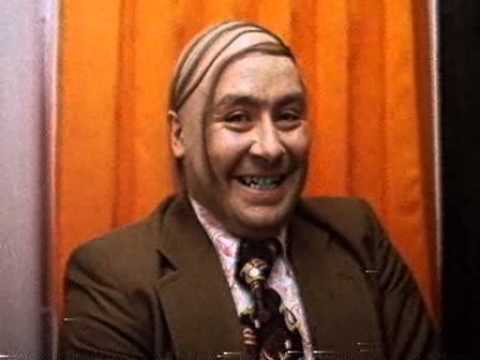
Photo Booth ("Happiness is a cigar called Hamlet")
The same Bach theme marked the moment of consolation in Hamlet ads for decades, until the music alone was enough to bring the brand to mind.
-
 1985
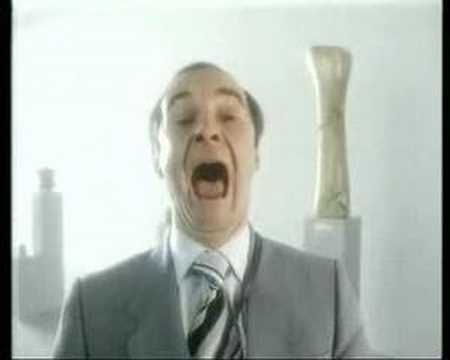
Even Apeldoorn bellen
Repeated the same line across more than 60 spots since 1985, and decades of familiarity led exhibition visitors in 2011 to vote it the Dutch advertising classic of all time.
-
(No copy — a slash in purple silk, plus the government health warning.)Silk Cut (Gallaher)1983
Silk Cut (the purple silk)
Ran the same purple-and-slash idea for nearly two decades, until the colour alone was familiar enough to stand for Britain's best-selling cigarette.
-
 1981
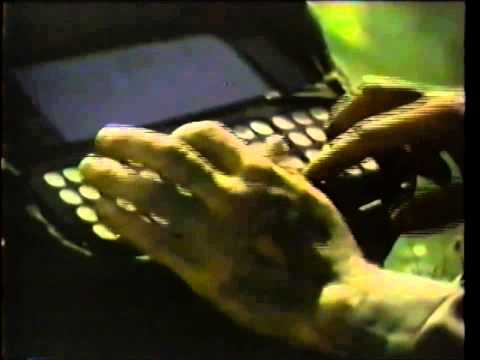
Be All You Can Be
Sung for twenty years from 1981, the line and its jingle became such a constant that a whole generation can still sing it and still warms to it.
-
Absolut Perfection.Absolut Vodka1980
Absolut Perfection
Put the same bottle under an 'Absolut' headline in roughly 1,500 executions over 25 years, and meeting it that often made the pack familiar and loved.
1970s
-
 1978
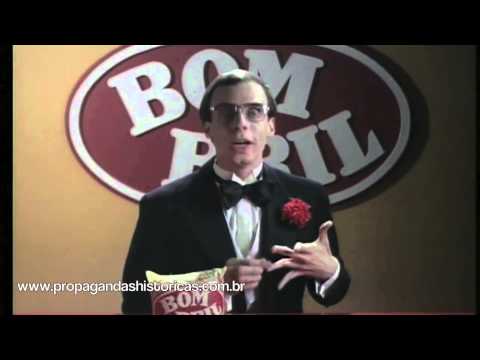
Garoto Bombril (first spot)
Carlos Moreno fronted hundreds of films over more than three decades, until his modest face felt as familiar to viewers as the product itself.
-
 1975
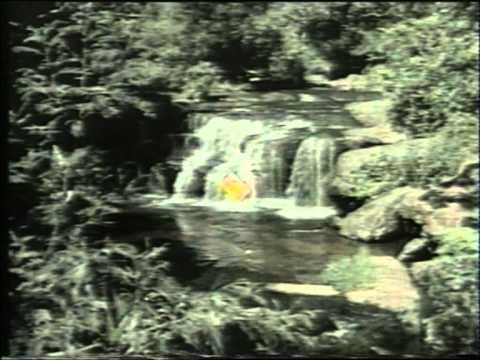
Liril Girl (Waterfall)
Kept the waterfall and its wordless la-la-la tune running for some 35 years, so audiences grew fonder of the splash with every showing.
-
 1974
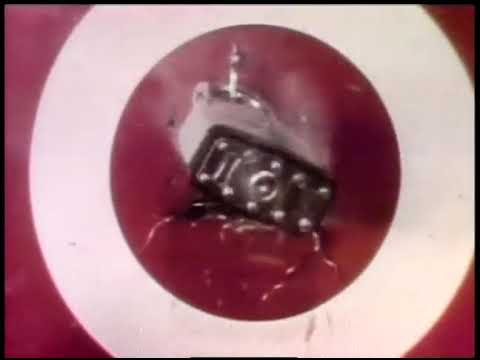
Tough Under Fire
Returned to the Super Bowl every year for two decades, so viewers met the bullet-proof padlock again and again until the name became shorthand for padlocks.
-
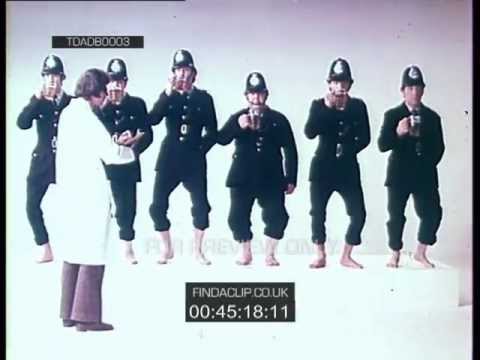 1974
Refreshes the Parts Other Beers Cannot Reach
Ran one absurd promise through 68 commercials over many years, so each new twist on the familiar line felt like the return of a favourite joke.
-
Kurisumasu ni wa Kentakkii (Kentucky for Christmas)KFC Japan1974
Kentucky for Christmas
Ran the same Christmas jingle for 20 years and dressed the Colonel statues as Santa, until fried chicken felt like a fixture of the holiday.
-
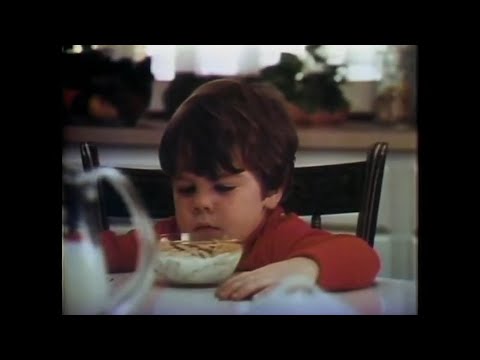 1972
Three Brothers ("Mikey Likes It")
Stayed on air from 1972 until the mid-1980s, one of television's longest continuous runs, until 'Mikey likes it' became a phrase everyone knew.
-
Girl or boy, two is enough.Singapore Family Planning and Population Board1972
Stop at Two ("Girl or Boy, Two Is Enough")
From 1972 the same message filled posters, bus panels, magazines, screens and even songs, until two children came to feel like the normal family size.
-
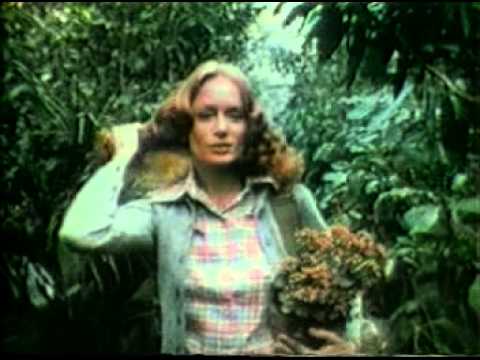 1971
Because I'm Worth It
Has kept the same four words as the company's signature for five decades and in 40 languages, so the line now feels as familiar as a common saying.
1960s
1950s
-
 1957
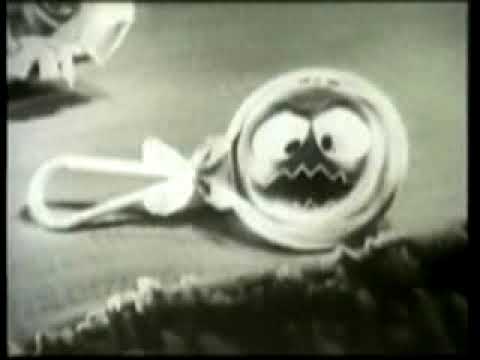
Louie the Fly
Kept Louie and the same voice for more than five decades in what is called Australia's longest-running campaign, so a lifetime of meetings turned a pest into a well-loved character.
-
 1956
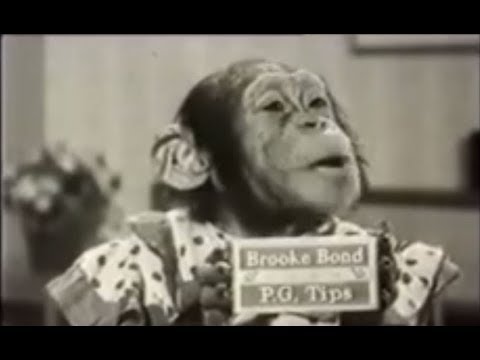
The PG Tips Chimps
Kept the chimps on British screens from 1956 to 2002, so long that they became a fixture of national life for generations of tea drinkers.
-
 1956
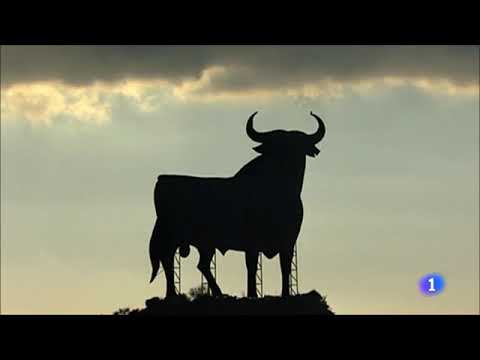
El Toro de Osborne (The Osborne Bull)
Decades beside the nation's roads, growing to some 14 metres, turned a brandy sign into a familiar piece of landscape that people came to love.
-
The man in the Hathaway shirt.C.F. Hathaway1951
The Man in the Hathaway Shirt
The same patched man returned for decades until readers knew him so well that the brand name could be dropped and the eyepatch alone did the work.
1940s
-
A diamond is forever.De Beers1947
A Diamond Is Forever
The same four words ran in every De Beers ad from 1948 onward, and decades of repetition made diamonds and engagement feel naturally inseparable.
-
 1944
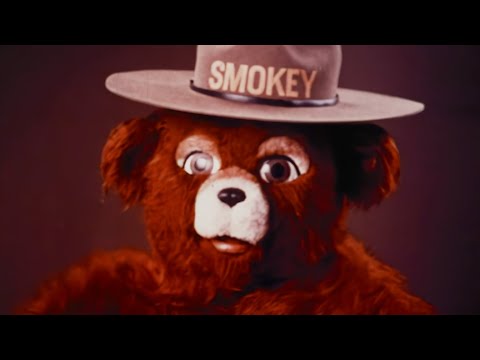
Smokey Bear ("Only You Can Prevent Forest Fires")
Over more than 80 years the same bear became so familiar that his face and the single word 'Remember' were enough to carry the whole message.
1930s
-
 1935
The Guinness Toucan ("Just think what Toucan do")
John Gilroy's animals ran in Guinness ads for decades, and that steady repetition made the toucan almost as familiar a symbol as the harp.
-
Santa Claus (Haddon Sundblom's Coca-Cola Santas)Coca-Cola1931
Santa Claus (Haddon Sundblom's Coca-Cola Santas)
Ran Sundblom's same warm Santa in its Christmas advertising from 1931 to 1964, until his face became the one much of the world still pictures.
1920s
-
 1929
The Pause That Refreshes
Repeated the same four-word line for decades across illustrated Americana, until a daily break with a Coke felt like a national habit.
-
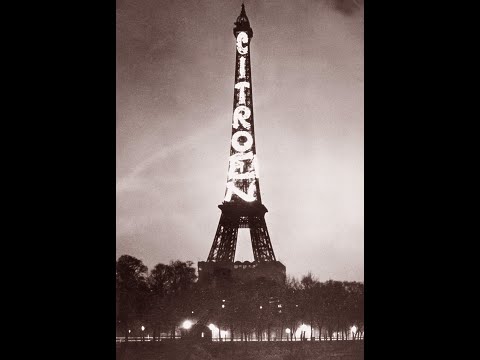 1925
Citroën on the Eiffel Tower
Kept the display up for about a decade, so the name returned again and again above Paris until it became a familiar part of the city's view.
-
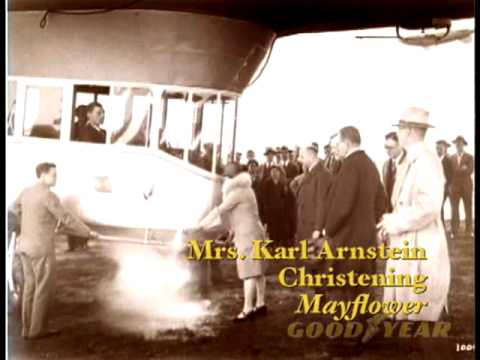 1925
The Goodyear Blimp
For seven decades the blimp has floated into live broadcasts by supplying the shot, and that steady familiarity has made the Goodyear name feel like an old friend.
-
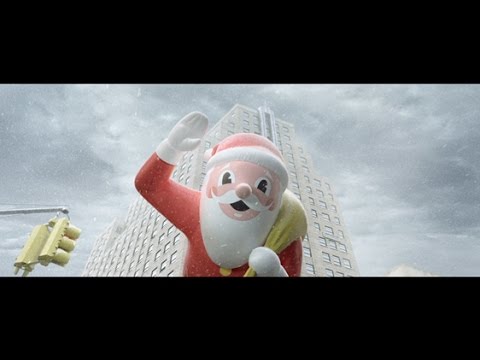 1924
Macy's Thanksgiving Day Parade
Kept returning on Thanksgiving for a century, and that yearly repetition turned a store's sales push into a ritual so familiar few now see it as marketing.
1900s
1890s
1880s
-
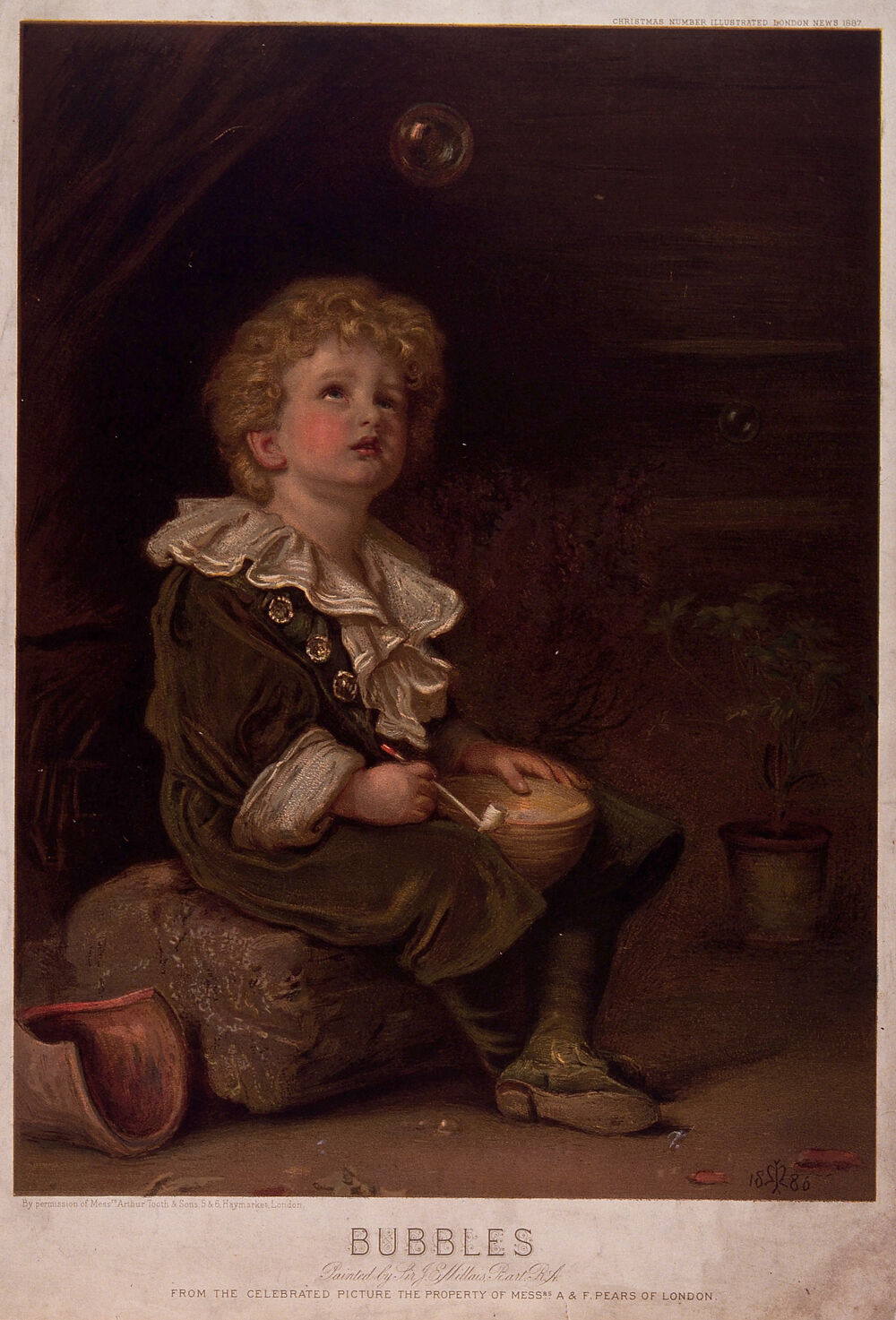 1888
Bubbles
Reproduced for decades on postcards, prints, showcards and billboards, the boy and his bubble grew so familiar that the soap shared the affection.
-
 1882
99 44/100% Pure (“It Floats”)
Repeated the same 99 44/100% promise across magazines, newspapers and posters for more than a century, until the fraction was as familiar as the soap.
Mere-exposure effect: where it comes from
Robert Zajonc showed people unfamiliar words and Chinese characters different numbers of times; the more often they had seen one, the more they liked it (Zajonc, 1968).
In ads it shows up as jingles, mascots and slogans run for years, and campaigns repeated until they feel like part of everyday life.