Psychology
Processing fluency
Things that are easy to read, say and remember feel truer and more pleasant, which is why rhymes, short lines and simple pictures stick.
2020s
-
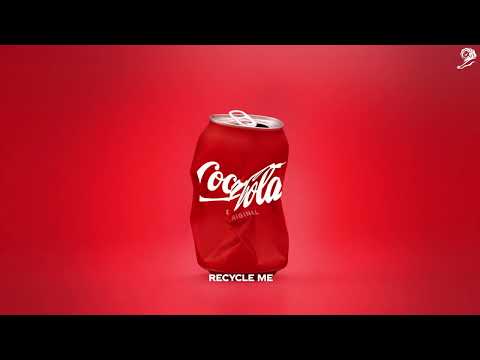 2024
Recycle Me
Warps the script on every poster yet it still reads as Coke at a glance, and the ease of recognising it lets a plain red page carry the message alone.
-
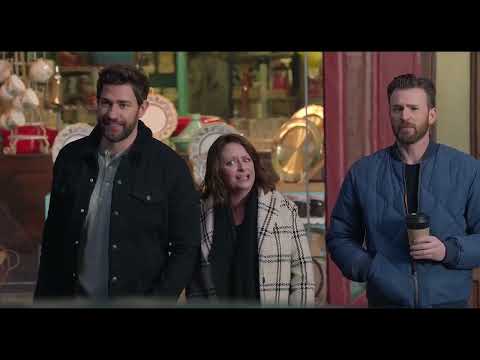 2020
Smaht Pahk
Shrinks Remote Smart Parking Assist to two words in a Boston accent and repeats them in every gag, so a forgettable feature name became impossible to forget.
2010s
-
 2018
It's a Tide Ad
Opens on car, beer and razor clichés viewers know by heart, so the parody is grasped in an instant and the clean clothes do the rest.
-
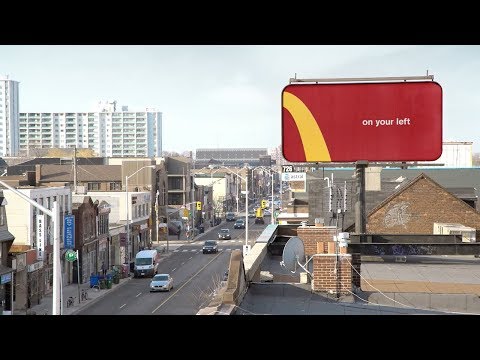 2018
Follow the Arches
Shows only a curve of the golden arches in red and yellow with a few words like 'on your left', which drivers can read and recognise at a glance.
-
 2015
Emoji Ordering
Reduced ordering dinner to tweeting a single pizza-slice emoji, an idea simple enough to explain in one line and effortless to try.
-
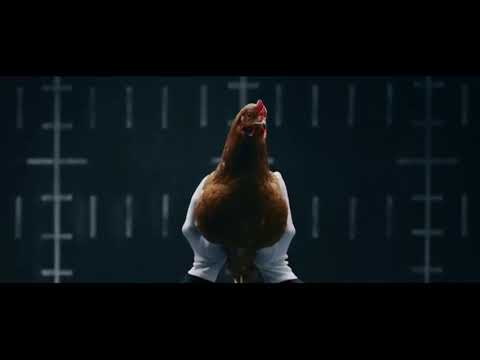 2013
Chicken
Turns suspension that scans the road into a chicken whose head stays put while its body sways, a picture anyone grasps in seconds without a word of jargon.
-
Power out? No problem. You can still dunk in the dark.Oreo (Mondelēz)2013
Dunk in the Dark
A lone cookie in shadow and one short line could be taken in at a single glance, which made it easy to grasp and pass on fifteen thousand times.
-
 2012
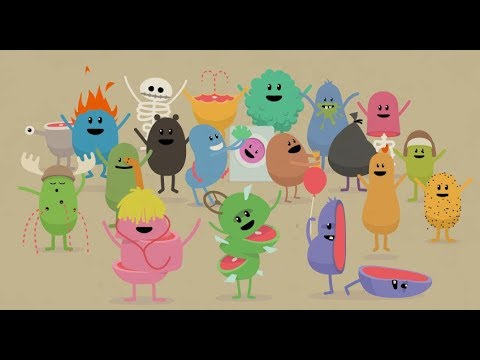
Dumb Ways to Die
Wraps the warning in a catchy pop song that reached the iTunes top ten within 24 hours, so the safety lesson sticks as easily as a chorus.
-
Coke HandsCoca-Cola2012
Coke Hands
Turns the ribbon people already know into two arms passing a bottle, and the instant flash of recognition makes the brand effortless to read.
-
 2010
Parisian Love
Tells the whole story with nothing but a search box and typed words, so simple to follow that the emotion arrives without any effort.
2000s
-
 2009
Compare the Meerkat ("Simples")
Swaps 'market' for the near-identical 'meerkat' and adds 'Simples!', a pun and a one-word catchphrase easy for anyone to remember and type into a search box.
-
 2009
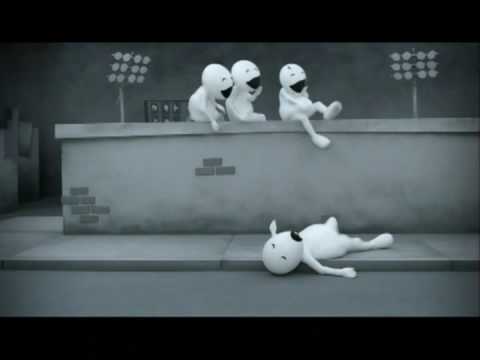
ZooZoos
Strips each service down to a wordless little plot told by simple white figures, so even dull features like phonebook back-up are understood at a glance.
-
Kitto, sakura saku yo.Kit Kat (Nestlé Japan)2009
Kit Kat Mail
Rides on Kit Kat sounding like 'kitto katsu', you will surely win, a sound-alike so easy to hear that the bar was already a good-luck charm.
-
 2008
Hope
Reduces the candidate to a face split into red and blue above one word, simple enough to recognise at a glance and to copy, parody and imitate endlessly.
-
ImagineLEGO2005
Imagine (Periscope)
Two bricks and the single word Imagine make an ad simple and clean enough to grasp at a glance, with nothing to get in the way of the idea.
-
 2004
Lightbulb
Says everything with one light bulb on plain red and no words at all, a picture anyone walking past understands in a glance.
-
 2003
Boy and Pug (You and I)
Swaps talk of coverage for one easy picture, a dog that follows you everywhere, so the network promise is grasped without a word of technology.
-
 2003
What Happens Here, Stays Here
Packs the promise into a short line that echoes itself, easy enough to repeat that it passed into everyday American speech.
-
 2002
Metamorfosis
Tells the whole story without a word, just a scent passing from one creature to the next to a love song, so viewers in any country follow it at once.
-
 2002
Thanda Matlab Coca-Cola
Ties the brand to 'thanda', the word people already used for any cold drink, so asking for one became an effortless way of asking for Coca-Cola.
-
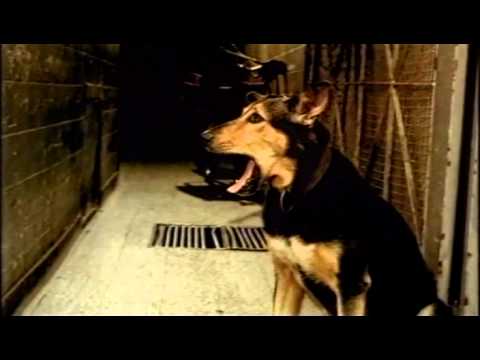 2001
Bostezo (Yawn)
Wordless and built on one gesture everyone knows, it needs no translation, so the idea that communicating is simple is grasped in seconds.
-
 2000
Not Happy, Jan!
Hangs the spot on three blunt words bellowed out of a window, short enough to shout that the line passed into everyday Australian speech.
-
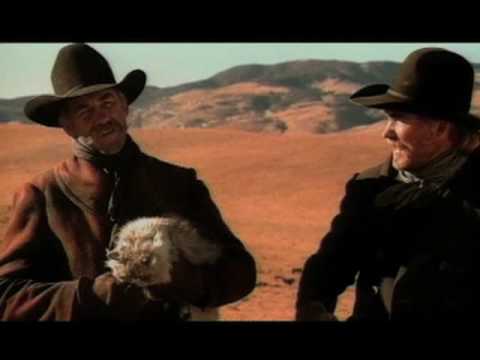 2000
Cat Herders
Turns a cliché every manager already knows, herding cats, into a literal cattle drive, so an invisible IT company's pitch becomes instantly easy to grasp.
1990s
-
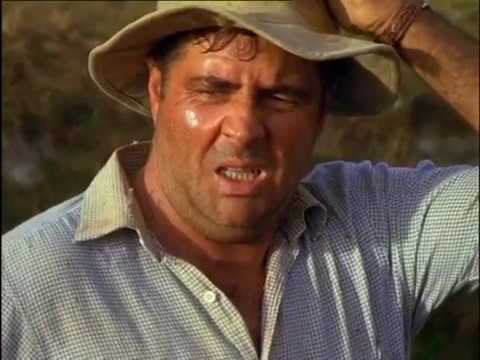 1999
Bugger
Every mishap, from the flattened fence to the dog missing the tray, ends on the same single word, so the whole ad collapses into one word anyone can repeat.
-
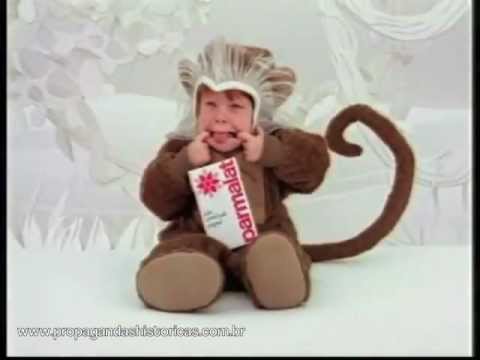 1996
Mamíferos
Ends on a toddler's one-word question, 'Tomou?', after a slow sung line, simple enough for the smallest viewers to repeat.
-
 1995
Frogs
Breaks the brand name into three croaked syllables that stumble and then click together, a sound so simple to copy that it spread the way catchphrases do.
-
Power is nothing without control.Pirelli1994
Power Is Nothing Without Control (Carl Lewis)
Sums up what a tyre is for in five plain words, 'Power is nothing without control', a line durable enough that Pirelli still uses it three decades on.
-
 1993
Aaron Burr (got milk?)
'got milk?' is two lower-case words anyone can say and repeat, which helped the line become one of the most borrowed in American culture.
-
 1992
Hungry? (Moa / Synthetoceras)
Boils the pitch down to one deadpan word, 'Hungry?', after a comic Stone Age hunt, so the benefit lands instantly and needs no translation.
-
 1992
Orange Man ("You Know When You've Been Tango'd")
Turns the brand into a verb, 'Tango'd', in a line so short and easy to say that it spread through playgrounds.
-
 1991
Glug Glug
Sums up a fill-up in two childlike sounds, 'glug glug', easy enough to repeat that Sasol later built a whole 'Ama-Glug-Glug' series on them.
-
 1991
Não é assim uma Brastemp
'Não é assim uma Brastemp' was so easy to say that Brazilians still use it for anything merely adequate, even budget policy, repeating the brand each time.
-
 1991
Uh-Huh (You Got the Right One, Baby)
A simple 'uh-huh' answering each line was so easy to sing back that it became a national catchphrase, though nearly three-quarters of viewers credited regular Pepsi.
-
 1991
Be Like Mike
'Be like Mike' is three short rhyming words set to a singable tune, simple enough that people requested the song on the radio.
1980s
-
 1988
Just Do It (launch spot, "Walt Stack")
Sums up the whole brand in three plain words, Just Do It, short enough to remember instantly and to borrow for any goal far beyond sport.
-
 1987
This Is Your Brain on Drugs ("Fried Egg")
Turns drug harm into an egg, a pan and a sizzle in ten seconds, so simple that 'this is your brain on drugs' lodged permanently in the language.
-
 1985
Even Apeldoorn bellen
Solves every absurd mishap with the same three words, just call Apeldoorn, a line short and easy enough to become part of everyday Dutch culture.
-
Perception. Reality.Rolling Stone1985
Perception. Reality.
Makes the case with two words and two pictures, an argument busy media buyers could take in at a glance.
-
 1984
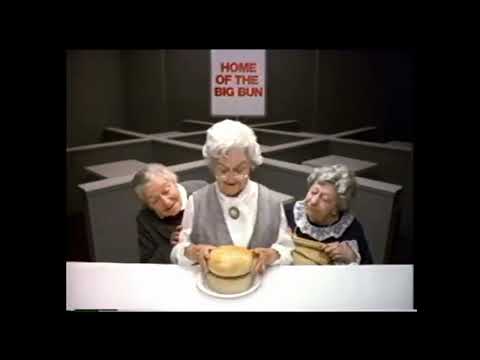
Fluffy Bun ("Where's the Beef?")
Boils the attack down to three short, blunt words that anyone could shout, so the line spread within weeks to a presidential debate.
-
 1983
Friends Don't Let Friends Drive Drunk
Six plain words that say 'friends' twice make a line easy to repeat, which helps explain why it outlived every spot and 90% of American adults knew it.
-
 1981
Slip! Slop! Slap! (Sid the Seagull)
Shrinks sun protection to three punchy sung verbs, slip, slop and slap, simple enough for children to chant and hard for anyone to forget.
-
Absolut Perfection.Absolut Vodka1980
Absolut Perfection
One bottle and two words made each page readable at a glance, and the simple pun format let readers get every new joke in a second.
1970s
-
Labour isn't working. Britain's better off with the Conservatives.The Conservative Party (UK)1978
Labour Isn't Working
Packs the whole charge into three words that pun on the party's name, short enough to repeat and hard to forget.
-
 1976
Football, Meat Pies, Kangaroos and Holden Cars
Boils national pride down to a chanted list of four loves ending in the cars, an easy rhythm that made it one of Australian television's most memorable catchcries.
-
 1974
Tastes Great, Less Filling
Boils the beer's case down to two short shouted lines, easy to remember and repeat, so drinkers carried both benefits into their own barroom arguments.
-
Let Noxzema cream your face.Noxzema1973
Let Noxzema Cream Your Face
Sets a cheeky double meaning to a strutting jingle, a line short and singable enough to carry straight into the next morning's conversation.
-
 1973
The 60-Year-Old Swede
Turns fitness research into one quotable comparison, simple enough for the media to keep repeating it for years after only six airings.
-
Girl or boy, two is enough.Singapore Family Planning and Population Board1972
Stop at Two ("Girl or Boy, Two Is Enough")
Pairs six plain words with one gentle picture of two sisters sharing an apple, making a national policy simple enough to take in at a glance.
-
 1971
Hilltop ("I'd Like to Buy the World a Coke")
Packs its wish into one simple, singable line about buying the world a Coke, easy enough that listeners asked radio stations to play the ad again.
-
 1971
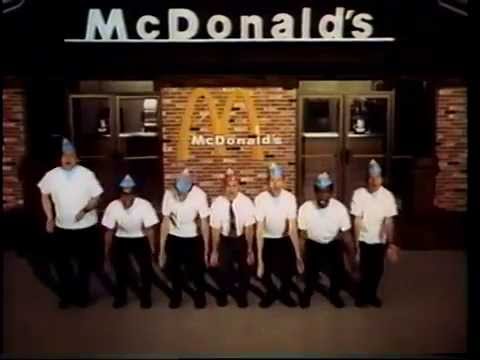
You Deserve a Break Today
Puts the message in a singable tune with the easy rhyme of 'get up and get away', so it lodged in memory with no effort from listeners.
1960s
-
 1969
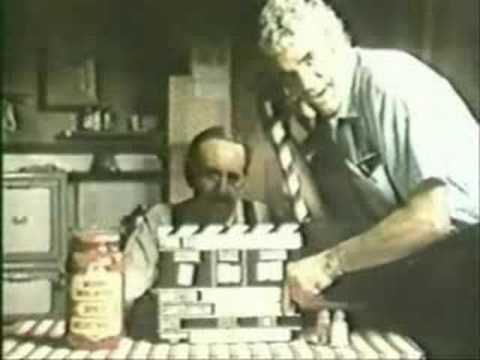
Spicy Meatball
Repeats one short, sing-song line take after take, so 'Mamma mia, that's a spicy meatball!' lodged in memory, though not always with the right brand.
-
 1966
The Amul Girl Topicals ("Utterly Butterly Delicious")
Each hoarding is one quick pun plus the rhyming 'Utterly Butterly Delicious', short enough to get at a glance and catchy enough to repeat.
-
Punt e MesCarpano (Punt e Mes)1960
Punt e Mes
Turns the name, 'a point and a half', into a sphere above a half-sphere, so seeing the shape and saying the brand become the same simple act.
1950s
-
 1956
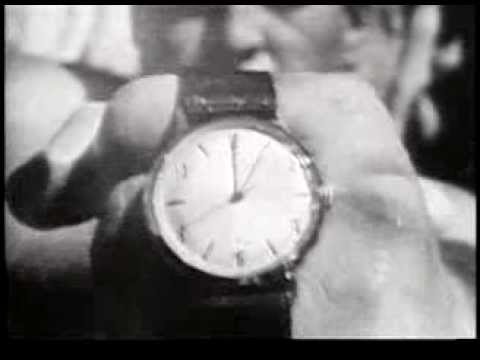
Takes a Licking and Keeps on Ticking (torture tests)
'Takes a licking and keeps on ticking' rhymes and rolls off the tongue, so the proof of toughness was easy to carry away and repeat.
-
 1956
El Toro de Osborne (The Osborne Bull)
A single black silhouette with no words, eventually not even the brand name, could be taken in at once from a passing car.
-
 1953
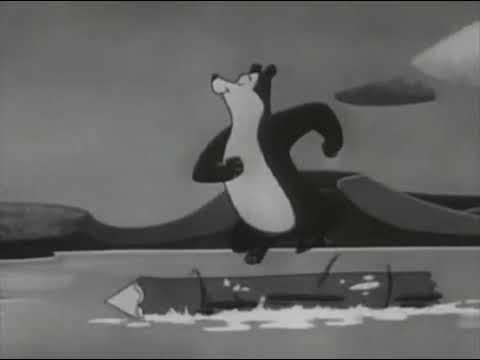
The Hamm's Bear
A simple tom-tom beat under one sung line, 'From the land of sky blue waters', was instantly recognisable, as familiar as the bear himself.
1940s
-
Monsavon au laitMonsavon1949
Monsavon au lait
Links milk and soap by the shortest route, cow straight into bar, so passers-by get the point instantly and enjoy how little effort it takes.
-
 1943
Use It Up – Wear It Out – Make It Do!
Packs home-front thrift into three short commands, use it up, wear it out, make it do, a rhythm easy to recall when mending instead of buying.
-
 1942
Loose Lips Might Sink Ships
Binds five short words with the echo of 'loose lips' and 'sink ships', so the warning was easy to repeat and is still remembered today.
-
 1941
Coughs and Sneezes Spread Diseases
Packs the advice into a rhyming line, coughs and sneezes spread diseases, so easy to recall that two in three people questioned remembered it.
1930s
-
 1939
Dig for Victory
Turns a national food drive into a three-word order, Dig for Victory, short enough to remember and repeat across posters, leaflets and broadcasts.
-
 1939
Keep Calm and Carry On
Uses five plain words in white capitals on red with only a crown, so the message reads in an instant and fits as easily on a mug as on a wall.
-
NormandieCompagnie Générale Transatlantique (French Line)1935
Normandie
Strips the poster down to one symmetrical hull and a name, with no figures or list of comforts, so the ship's grandeur is grasped in a single glance.
-
 1935
The Guinness Toucan ("Just think what Toucan do")
A short rhyming verse punning on the bird's name, 'Just think what Toucan do', is easy to say and hard to forget.
-
Dubo, Dubon, DubonnetDubonnet1932
Dubo, Dubon, Dubonnet
Builds the name in three beats, DUBO, DUBON, DUBONNET, a refrain so easy to read at speed and say aloud that it passed into everyday French.
1920s
-
Nord ExpressNord Express (Compagnie Internationale des Wagons-Lits and partner railways)1927
Nord Express
Strips out passengers, scenery and destination to leave one towering engine of clean geometric planes, an image grasped at a glance and hard to forget.
-
Within this vale / of toil / and sin / your head grows bald / but not your chin — Burma-ShaveBurma-Shave1925
Burma-Shave Roadside Verses
Uses short rhyming lines, like the one about your head growing bald but not your chin, so easy to remember that families recited them aloud.
-
Nowhere else but Mossel'prom!Mossel'prom1923
Mossel'prom Cooking Oil: Nowhere Else but Mossel'prom
Signs off with a short rhymed refrain, nowhere else but Mossel'prom, so easy to repeat that Mayakovsky's jingle for the brand is still known to Russians.
1910s
-
 1917
I Want You for the Navy
Reuses a line readers already knew from Kitchener and Uncle Sam, so the message is taken in at a glance and the new twist does the rest.
-
 1914
Lord Kitchener Wants You ("Your Country Needs You")
Boils the appeal down to one face, one gesture and four words while official posters were walls of type, so it is grasped at a glance and easily recalled.
1900s
-
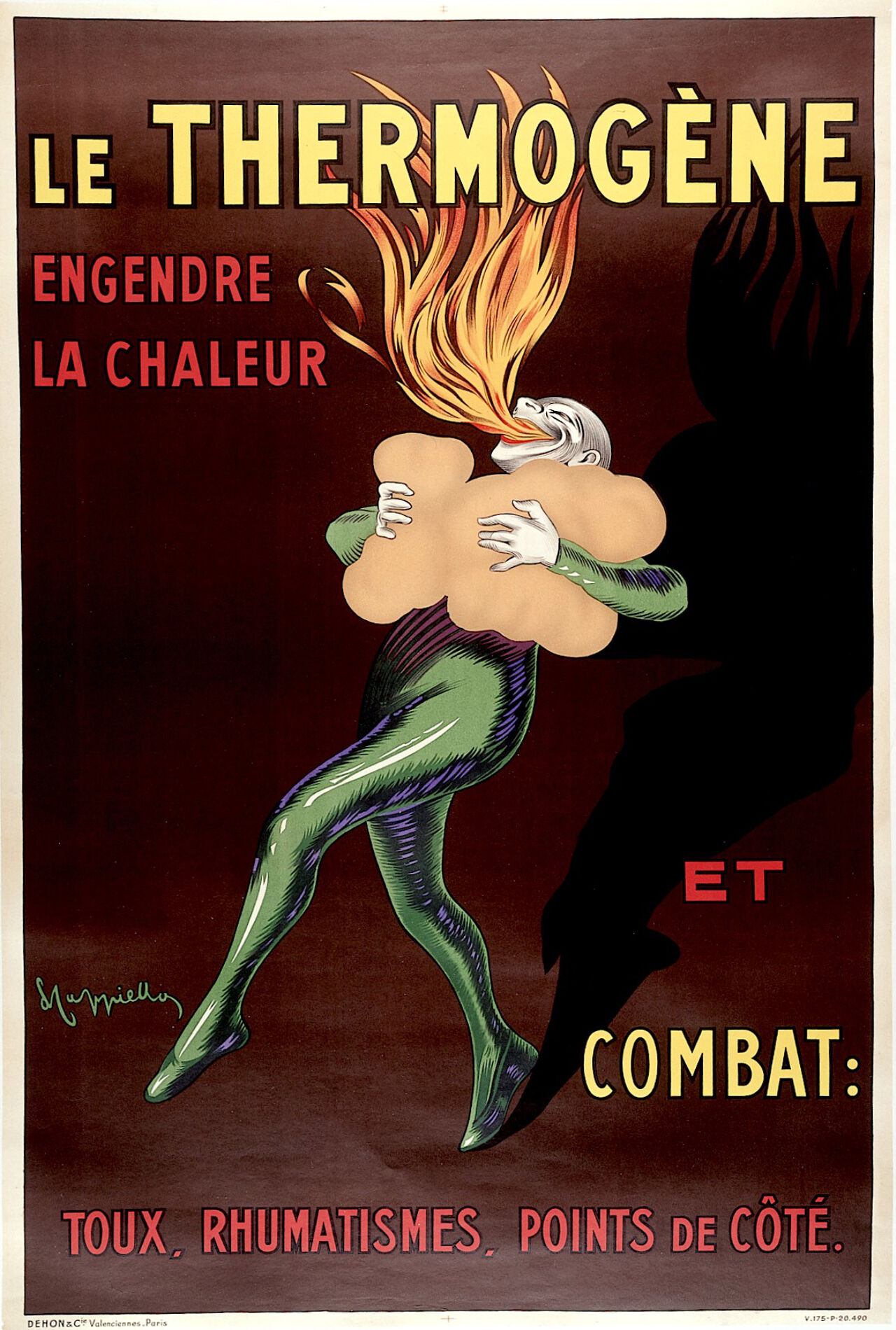 1909
Le Thermogène
Shows one absurd figure breathing fire, which says 'heat' at a glance with no need to read a word about coughs or rheumatism.
-
Hermann Scherrer. Breechesmaker. Sporting-Tailor.Hermann Scherrer (tailor, Munich)1907
Hermann Scherrer: Breechesmaker, Sporting-Tailor
Builds the striding rider from a few flat planes of bold colour, an image simple enough to take in at a single glance.
-
PriesterPriester (match manufacturer)1906
Priester
Cuts the poster to two matchsticks and one word, so a passer-by on a crowded street grasps product and name in an instant.
-
 1903
Chocolat Klaus
Gives shoppers one simple picture to hold on to, so easy to recall that they asked for the red-horse chocolate rather than for Klaus by name.
1890s
-
 1896
Rowntree's Elect Cocoa
Cuts a portly figure and his teacup to flat silhouette beside the brand name, so the cocoa registers without effort, even from a moving bus.
-
 1891
Moulin Rouge – La Goulue
Flattens the crowd into silhouettes and crops the dancers boldly, so a night at the dance hall reads in one glance from across the street.
1880s

Processing fluency: where it comes from
People judged rhyming sayings, such as "woes unite foes", as more accurate than the same ideas put without a rhyme (McGlone and Tofighbakhsh, 2000). Psychologists call the ease with which we take something in processing fluency: what feels easy also feels true.
In ads it shows up as rhymes, short lines, catchy rhythms and very simple pictures.