Psychology
Reciprocity
We feel we owe something back to whoever gives first, so a free gift, a favour or a useful service makes us want to return it.
All ads
-
 2020
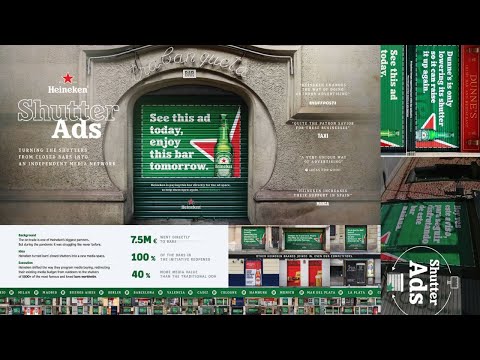
Shutter Ads
Paid more than 5,000 closed bars to carry its posters when they needed money most, giving first to the owners the brand depends on and earning their goodwill.
-
 2019
ThisAbles
Gives away 13 add-ons, in store or as free files to 3D-print, so disabled customers got real help up front instead of paying roughly twice as much for adapted furniture.
-
 2018
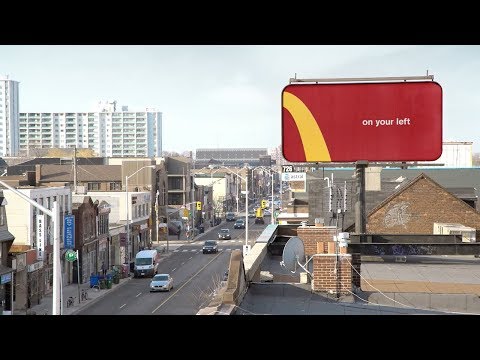
Follow the Arches
Turns billboards into genuinely useful directions to a restaurant, and drivers handed help rather than a sales pitch feel warmer towards the brand that gave it.
-
 2015
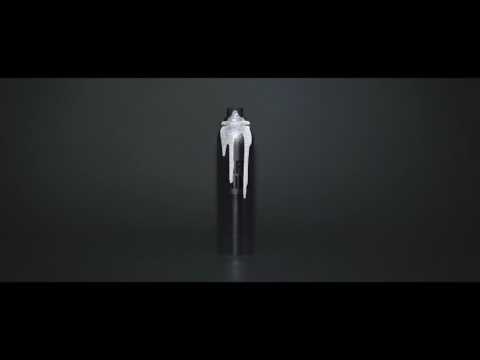
LifePaint
Gives cyclists, people outside its cars, free spray that makes them shine in headlights after dark, and that unexpected favour earned goodwill that later showed up in car sales.
-
 2013
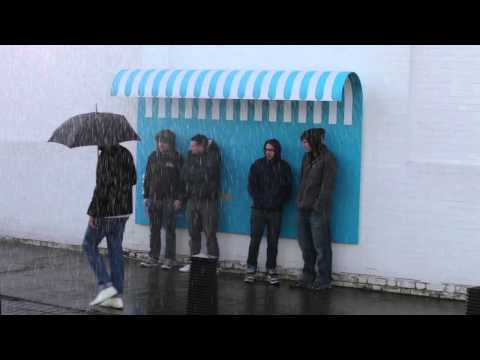
People for Smarter Cities
Bends posters into a seat, a rain shelter and a ramp for bikes and suitcases, doing passers-by a small favour before asking them to join the conversation.
-
 2013
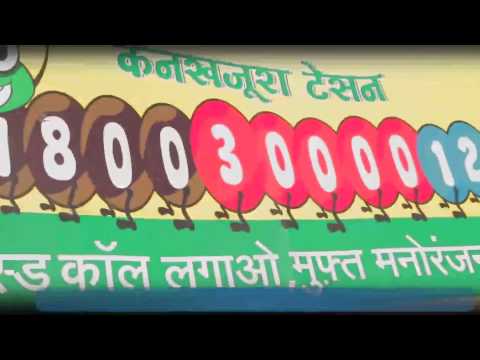
Kan Khajura Tesan
Gives media-dark villages free Bollywood music, jokes and a presenter over the phone, a gift that made sitting through the Unilever ads in between feel like a fair trade.
-
 2009
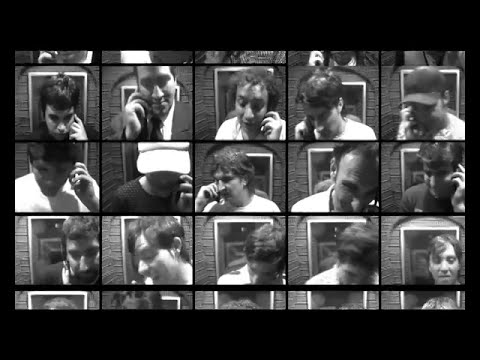
Teletransporter
Builds drinkers a working alibi booth right in the bar, a genuinely useful favour that earns goodwill for the beer in their hand.
-
 2008
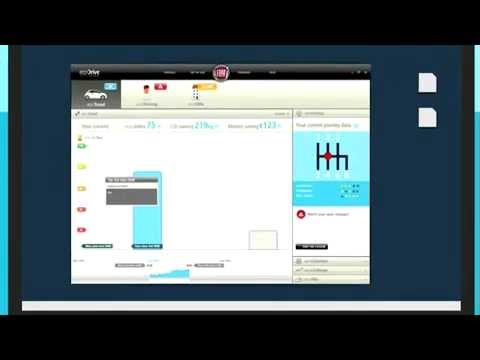
eco:Drive
Gave drivers a free application that helped them use less fuel instead of an ad, and a brand that helps first earns goodwill people want to repay.
-
 2008
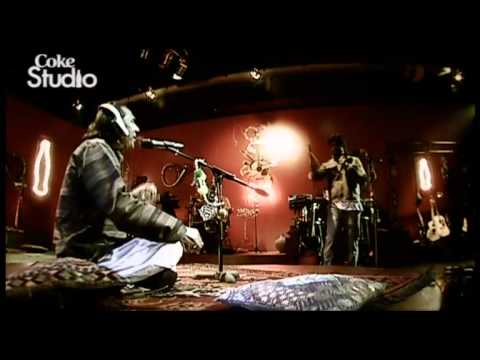
Coke Studio Pakistan
Aired its sessions on every major Pakistani network with the tracks free to download, and a brand that gives a country its music earns goodwill back.
-
UniqlockUniqlo2007
Uniqlock
Gave bloggers a free working clock full of music and dance, and they returned the favour by giving Uniqlo's clothes space on their own sites.
-
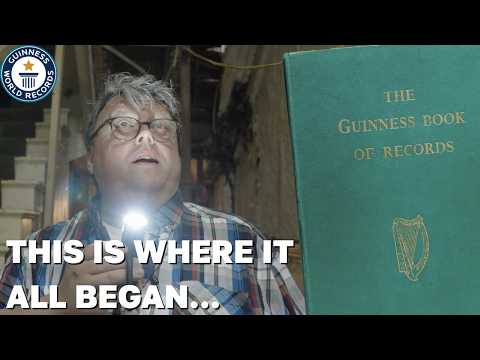 1955
The Guinness Book of Records
Gave pubs 50,000 free copies of a book that settled their arguments, and a brewery that hands over something genuinely useful earns goodwill in return.
-
 1918
If Ye Break Faith – We Shall Not Sleep (Buy Victory Bonds)
Sets McCrae's warning from the dead above a soldier bowed at a grave, so buying bonds felt like repaying a debt to men who had already given their lives.
-
_-_C._E._Chambers_LCCN2002720472.jpg/960px-Food_will_win_the_war_-_You_came_here_seeking_freedom,_now_you_must_help_to_preserve_it_-_Wheat_is_needed_for_the_allies_-_waste_nothing)_-_C._E._Chambers_LCCN2002720472.jpg) 1917
Food Will Win the War
Reminds new arrivals that America gave them freedom first, so saving wheat feels like repaying a debt rather than obeying a rule.
-
 1900
The Michelin Guide
Gave motorists 35,000 free guides full of maps, repair tips and places to eat and sleep, building goodwill that drivers could repay by choosing its tyres.
-
The Pickle PinHeinz1893
The Pickle Pin
Gives a free pickle charm and samples to anyone who climbs to the upper floor, and a gift handed over first made people glad to visit a booth they would have missed.
Reciprocity: where it comes from
Robert Cialdini put reciprocity first among his principles of influence in Influence (1984). In an early experiment, people bought more raffle tickets from a stranger who had first done them a small, unasked favour, buying them a soft drink (Regan, 1971).
In ads it shows up as a gift before the ask: a free sample, a useful service, a kind gesture or simply a few minutes of entertainment that people feel they owe something for.