Psychology
Halo effect
One good impression spills over onto everything else, so a loved star, a fine cause or a beautiful film makes the product seem better too.
2010s
-
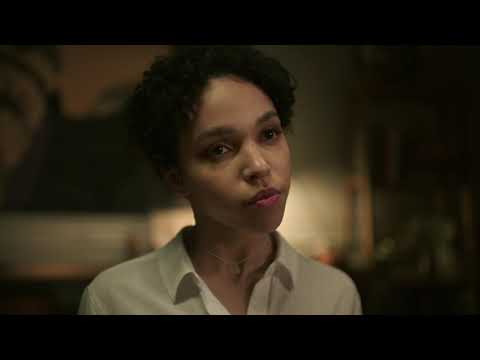 2018
Welcome Home
A four-minute Spike Jonze film in which a room stretches and slides around a dancer is so beautiful that the speaker borrows the glory of the art.
-
 2016
The Next Rembrandt
Wraps a bank in the prestige of Rembrandt and his 346 paintings, so the awe the portrait stirred reflected back on ING as a patron of Dutch art.
-
 2013
Sound of Honda / Ayrton Senna 1989
Wraps a navigation service built on driving data in the thrill of Senna's fastest lap, so an invisible product borrows the shine of a racing legend.
-
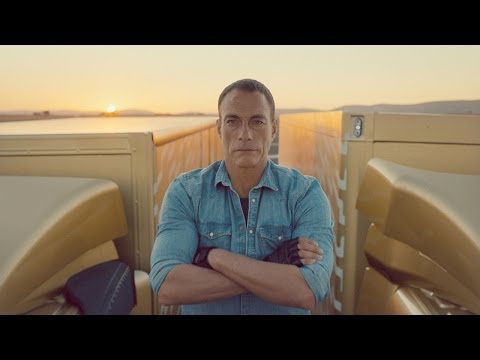 2013
The Epic Split
Wraps the feature in a famous action star and a single golden-hour shot, and admiration for the feat spills over onto the trucks' engineering.
-
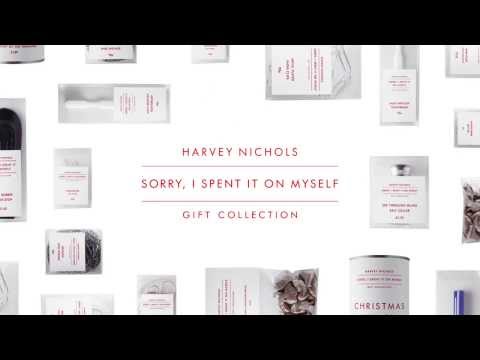 2013
Sorry, I Spent It On Myself
Boxes paper clips, toothpicks and a sink plug under the store's name, and the prestige of a Harvey Nichols bag made even toothpicks seem special.
-
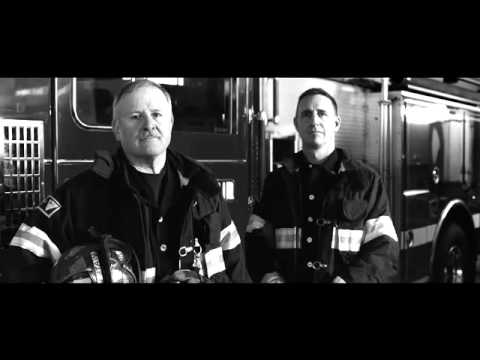 2012
Halftime in America
Lends the film Clint Eastwood's weathered rasp, and the grit people admire in him carried over to the carmaker he was speaking for.
-
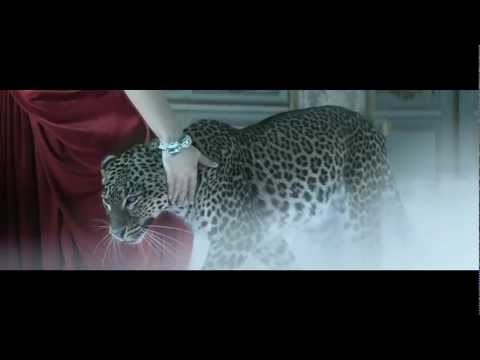 2012
L'Odyssée de Cartier
Spends three and a half minutes, real panthers and an 84-piece orchestra on an epic journey, and that splendour made the house itself seem grander to markets that knew little of it.
-
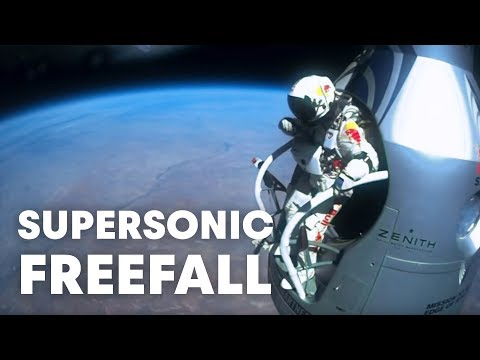 2012
Red Bull Stratos
Funds a real leap from 128,100 feet with only a logo on the suit, so the awe of watching it rubs off on the brand that made it happen.
-
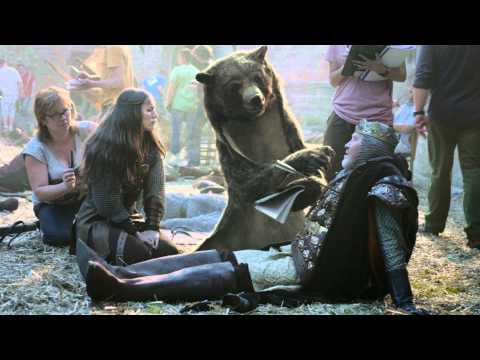 2011
The Bear (L'Ours)
Lavishes cinema-grade craft on a bear who acts rather than animates, and the beauty of the film itself makes the promise that Canal+ breeds a love of cinema feel true.
-
Heaven and HellSamsonite2011
Heaven and Hell
Renders a suitcase ad as a classical stone frieze of epic craft, and that grandeur makes a plain claim about durability feel monumental.
-
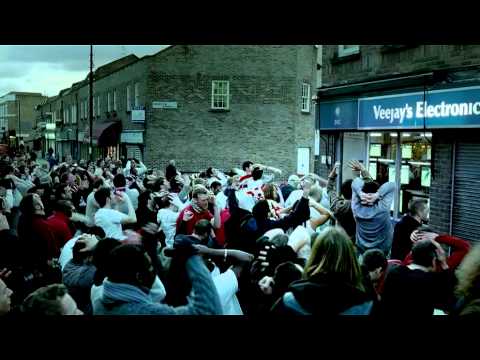 2010
Write the Future
Fills three cinematic minutes with Rooney, Ronaldo, Kobe Bryant and even Homer Simpson, so the glamour of the stars and the tournament rubs off on a brand that was not a sponsor.
2000s
-
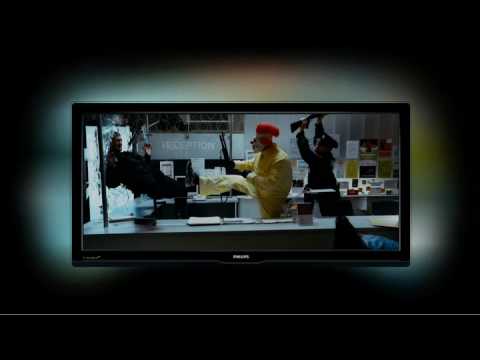 2009
Carousel
Spends cinema-grade craft on one frozen, looping shot, so viewers' admiration for the film flows straight onto the widescreen television it was made to sell.
-
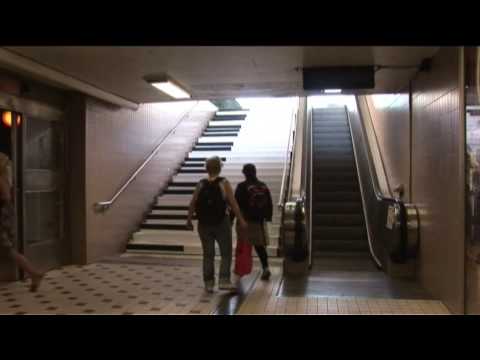 2009
The Fun Theory ("Piano Stairs")
Keeps the cars almost out of view while a joyful idea for doing good plays out, so the delight people feel lands on Volkswagen itself.
-
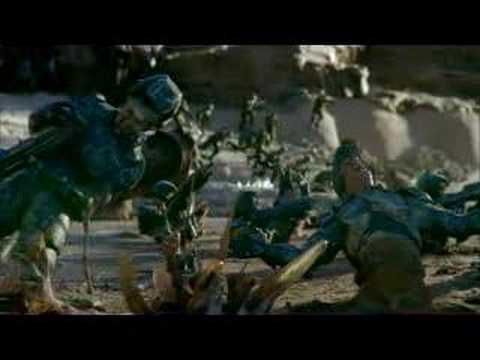 2007
Believe ("Diorama")
Frames a game hero with the solemn trappings of a war memorial and a Chopin prelude, so the reverence people feel for real sacrifice spills onto Halo 3.
-
 2007
Gorilla
Gives viewers ninety seconds of a gorilla losing itself in a Phil Collins drum fill, and that rush of delight spills over onto the chocolate brand named only at the end.
-
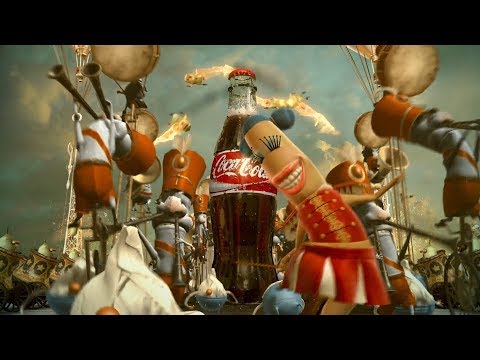 2006
Happiness Factory
Imagines a kingdom of creatures lovingly preparing each bottle inside a vending machine, and that delight makes an ordinary purchase feel a little magical.
-
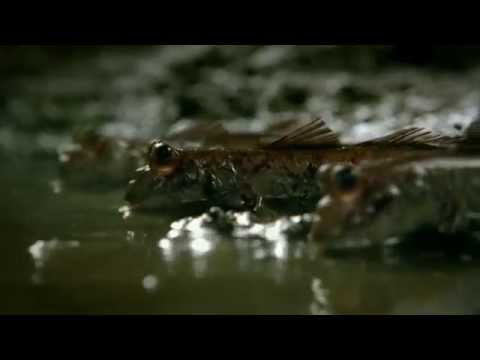 2005
noitulovE
Daniel Kleinman's seamless race back through ice ages and dinosaurs is such dazzling filmmaking that the stout itself seems worth marvelling at.
-
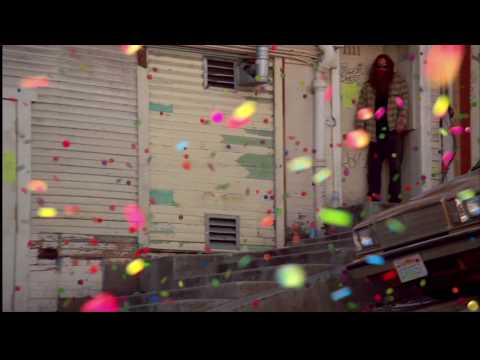 2005
Balls (and "Paint")
Fills San Francisco's hills with bouncing colour set to José González's 'Heartbeats', and the sheer beauty of the film spills over onto the television.
-
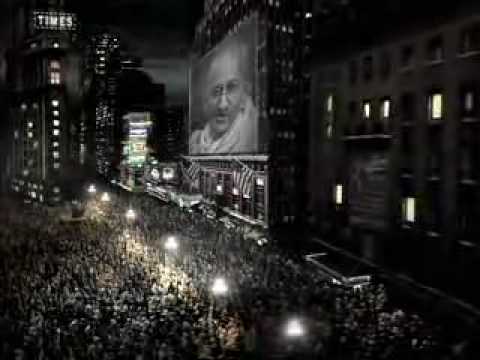 2004
Gandhi
Shows Gandhi's words of peace reaching vast crowds and solitary listeners worldwide, and the reverence people feel for him spills onto a telecoms company.
-
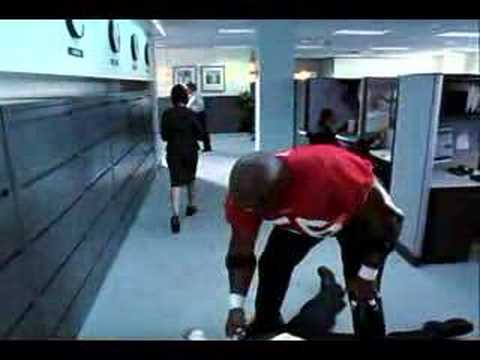 2003
Terry Tate: Office Linebacker
Offers pure entertainment with no product at all, betting that the fun of watching office slackers get flattened would rub off on Reebok.
-
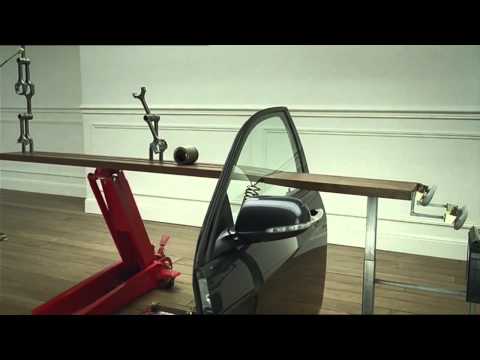 2003
Cog
A flawless chain reaction of Accord parts, shot for real over months, impresses so much that its precision rubs off on the engineering of the car itself.
-
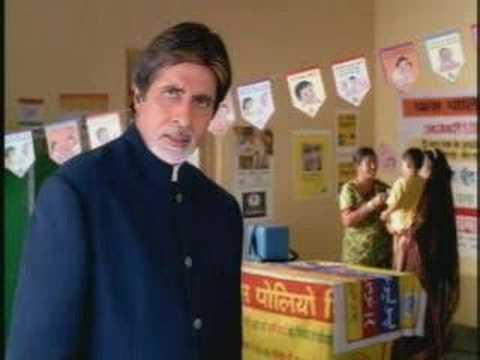 2002
Do Boond Zindagi Ki ("Two Drops of Life")
India's best-known film star stands beside an oral vaccine many families resisted, and the regard people held him in spilled onto the two drops.
-
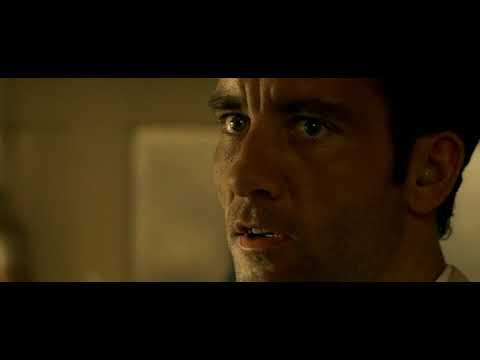 2001
BMW Films: The Hire
A-list directors and Clive Owen as a mysterious Driver made real films, not ads, and the glamour of that cinema rubbed off on the cars at the heart of the action.
-
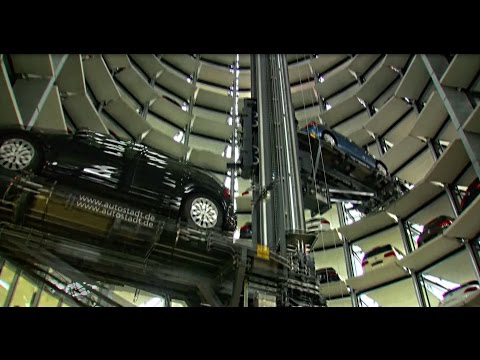 2000
Autostadt
Turns collecting a new car into a show, with cars lowered from 48-metre glass towers, and the wonder of the day spills over onto the brands.
1990s
-
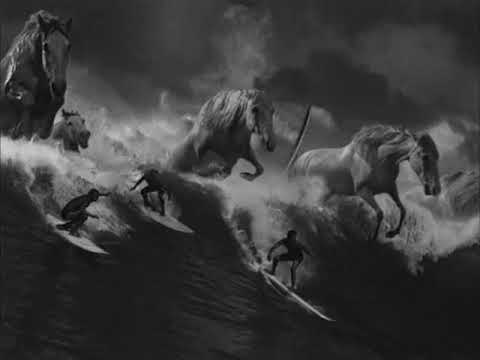 1999
Surfer
Jonathan Glazer's black-and-white film of a surfer and erupting white horses is so beautiful that the awe it inspires spills onto the pint itself.
-
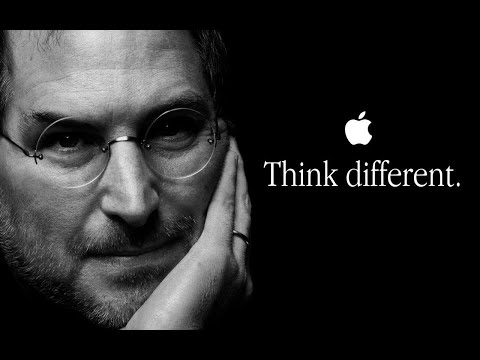 1997
Think Different ("The Crazy Ones")
Einstein, Dylan, Picasso and King fill the screen while no computer appears, so their genius rubs off on a brand that had nothing new to sell.
-
Milk. What a surprise!National Fluid Milk Processor Promotion Board (MilkPEP)1995
The Milk Mustache ("Milk. What a Surprise!")
Puts stars like Lauren Bacall and Naomi Campbell in portraits lit like magazine covers, so their glamour makes a plain glass of milk look stylish.
-
 1993
The Showdown (Jordan vs. Bird)
Has two basketball legends stake an outrageous contest on a Big Mac, so the burger borrows the glamour of the players willing to fight for it.
-
 1993
Tested for the Unexpected
Wraps a tyre in Tony Kaye's menacing, award-winning craft, and the film's sheer quality makes Dunlop's engineering feel more serious and impressive.
-
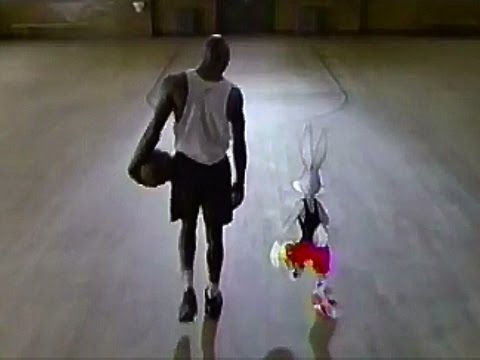 1992
Hare Jordan
Pairs Michael Jordan with a much-loved Bugs Bunny in lavish hand-drawn slapstick, so affection for both stars spills over onto the Nike name behind them.
-
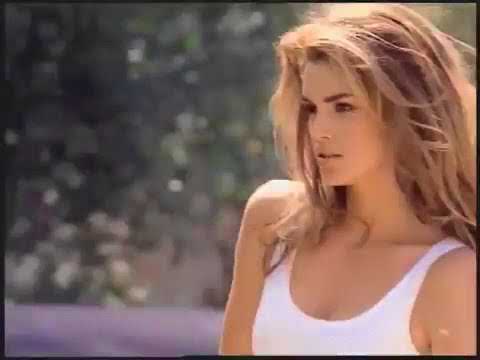 1992
New Can
Has the most famous supermodel of the moment step out of a Lamborghini for a Pepsi, and her allure carries straight over to the redesigned can.
-
 1991
Uh-Huh (You Got the Right One, Baby)
Put Ray Charles at a grand piano with a big band behind him, and a legend's warmth and charisma made a diet cola feel effortlessly cool.
-
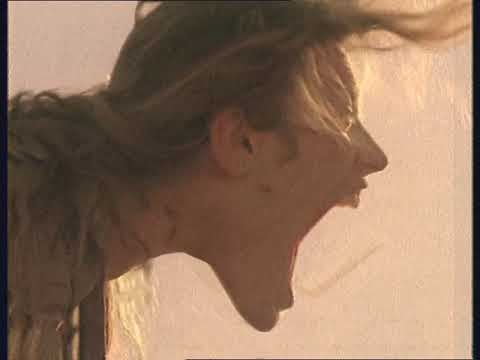 1990
Le Lion (La Lionne)
Wraps a bottle of water in a myth of wildness and seduction, a woman whose cry cows a lion, and the film's spell makes the water itself seem more desirable.
1980s
-
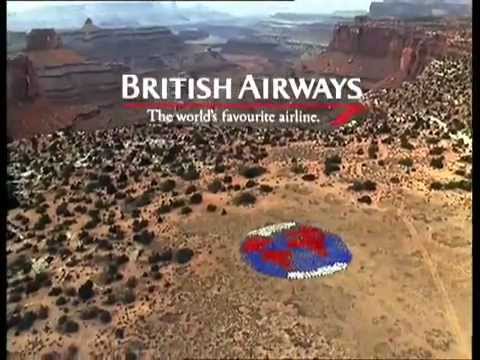 1989
Face
Shot from helicopters by the director of Chariots of Fire, the sheer spectacle of the film made the airline itself seem as grand as the picture.
-
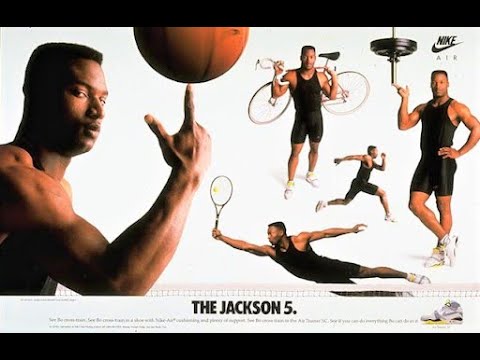 1989
Bo Knows
Builds the spot around the one man playing two professional sports, and his aura, boosted when he took MVP the night it aired, rubbed off on a shoe for every sport.
-
 1986
The California Raisins ("I Heard It Through the Grapevine")
Makes clay raisins the coolest act on television, and the swagger of those pop stars rubbed off on dried grapes nobody had found exciting before.
1970s
1960s
1920s
-
Torches of FreedomLucky Strike (American Tobacco Company)1929
Torches of Freedom
Ties the cigarette to the cause of women's equality, letting the virtue of a just fight spill onto a harmful product while its seller stays hidden.
-
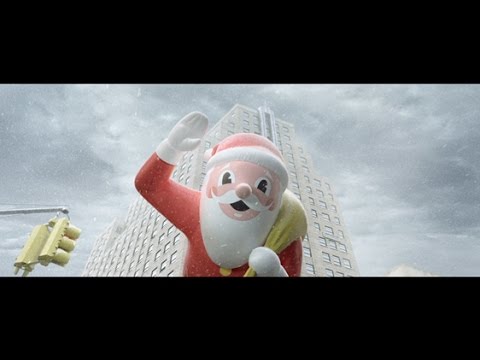 1924
Macy's Thanksgiving Day Parade
Crowns Santa Claus on the store's own marquee amid clowns and Mother Goose floats, so the delight of the holiday rubs off on the shop opening its Christmas season.
1910s
1900s
1890s
-
 1896
JOB
Wraps a humble cigarette paper in Mucha's swirling hair, curling smoke and Byzantine mosaic, so the beauty of the art made the product feel finer.
-
 1893
Divan Japonais
Features Jane Avril and Yvette Guilbert though neither then performed there, so the stars' glamour rubs off on the venue and hints you might see them.
1880s
Halo effect: where it comes from
Edward Thorndike noticed that army officers who rated a soldier highly on one quality tended to rate him highly on every other quality too (Thorndike, 1920). He called it the halo effect.
In ads it shows up as loved stars, fine causes, beautiful craft and famous partners whose good name carries over to the product.