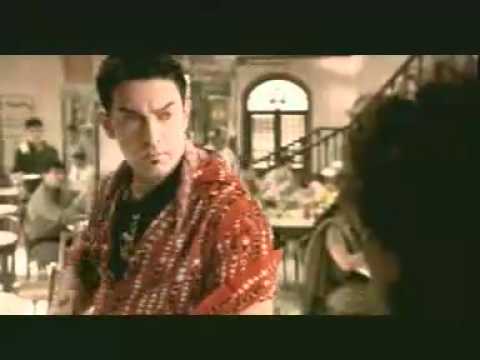
Do Boond Zindagi Ki ("Two Drops of Life")
Government of India and UNICEF (Pulse Polio)2002
Do Boond Zindagi Ki ("Two Drops of Life") is a 2002 television and radio commercials for Government of India and UNICEF, created by Ogilvy & Mather India.
The line
Do boond zindagi ki.
Why it works
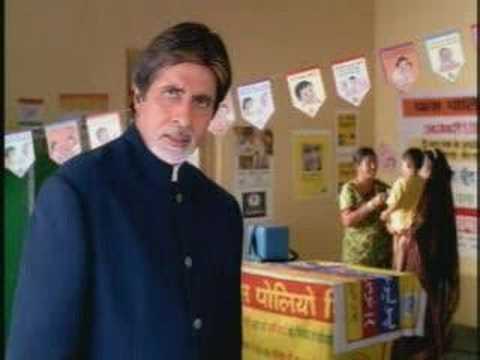
Amitabh Bachchan, India's best-known film star, stands at a polio vaccination booth and rebukes the nation for how few parents have turned up. In 2002 India was in the grip of a major polio outbreak concentrated in Uttar Pradesh and Bihar, where many families resisted the oral vaccine, so the health ministry and UNICEF brought in Ogilvy & Mather. Piyush Pandey's team recast Bachchan's "angry young man" screen persona as an angry old man: first a kindly elder clearing up doubts, then a stern one shaming parents who skipped the "two drops of life", then a visitor scolding them in their own homes. It is studied as celebrity casting matched to a cultural insight, the authority of the family patriarch, in a public-health emergency. A 2005 UNICEF survey found that 82.7% of respondents had seen or heard the polio ads in the previous two months. India, which had 741 polio cases as late as 2009, recorded its last case in January 2011 and was declared polio-free in 2014.
Techniques
- Testimonial and endorsement India's best-known film star fronts the campaign, using his fame to persuade reluctant parents to bring their children for the vaccine.
- Ethos He plays a stern family elder, borrowing the authority of the patriarch to scold parents who skip the two drops of life.
Sources · 4
Updated