Technique
Testimonial and endorsement
Testimonial is a propaganda technique in which a respected or famous person, or a seemingly ordinary customer, vouches for a product, idea or candidate, so that trust in the speaker carries over to the claim.
What is testimonial propaganda?
Testimonial is a propaganda technique in which a person the audience respects, admires or trusts says that a product, idea or candidate is good, so that trust in the speaker carries over to the claim. The speaker might be a celebrity, an athlete, an expert, an official body or an ordinary customer. It also works in reverse: a hated or ridiculed figure can be shown supporting the thing the propagandist wants you to reject.
Testimonials are not dishonest in themselves. A qualified doctor recommending a vaccine, or a real patient describing an illness, can be fair and useful. The questions are always whether the person is in a position to know, whether they are telling the truth about their own experience, and whether you are being told what connects them to the seller.
Where the term comes from
Testimonial is the fourth of the seven propaganda devices listed by the Institute for Propaganda Analysis (IPA) in 1937. Its bulletin's first example was a smoker vouching for a brand of cigarettes: "When I feel tired, I smoke a Camel and get the grandest 'lift.'" Its political example came from a labour dispute: "We believe the John L. Lewis plan of labor organization is splendid; the CIO should be supported." It added that the device "works in reverse also": counter-testimonials could be used against a cause.
The Fine Art of Propaganda (1939) defined the device as "having some respected or hated person say that a given idea or program or product or person is good or bad", and drew its symbol as a seal and ribbons, the "stamp of authority". The book named three unfair uses: quoting untrustworthy sources; distorting what trustworthy sources said; and attributing to a reputable source words it never said.
How to spot it
- A famous face or voice is the main reason to pay attention.
- The endorser is admired for something unrelated to the product, such as an athlete selling a phone.
- An "expert" or "survey" appears, but you are not told who they are or who paid for the research.
- Quotes from "real customers" are unnamed, untraceable or unusually glowing.
- A white coat, a title or the name of an institution stands in for evidence.
- An influencer praises a product without saying they were paid or given it free.
Examples
More Doctors Smoke Camels (1946)
From January 1946 R.J. Reynolds advertised that "More doctors smoke Camels than any other cigarette", citing surveys of 113,597 doctors by "three leading independent research organizations". A 2006 study in the American Journal of Public Health found that the surveying was in fact done by the company's own advertising agency, the William Esty Company, and that most doctors appear to have been asked about their brand just after being given free cartons of Camels. The slogan stayed at the centre of Camel's advertising for six years.
Be Like Mike (1991) and Bo Knows (1989)
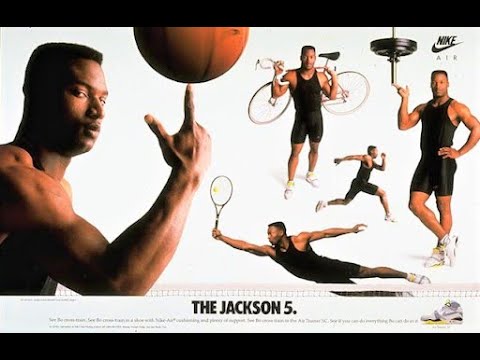
Be Like Mike shows Michael Jordan laughing and playing with children and invites viewers not just to drink what he drinks but to become like him. In Bo Knows, stars from other sports testify that Bo Jackson knows their game, using the one athlete playing two professional sports to sell a shoe for every sport.
Two Drops of Life (2002)
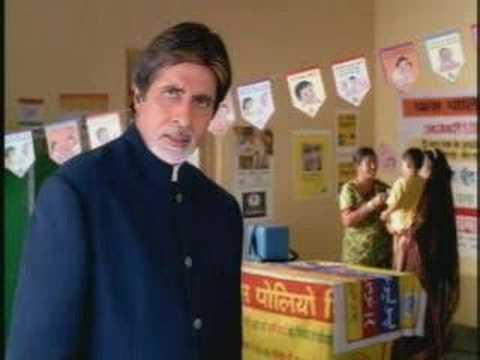
A fair use of the device: in Do Boond Zindagi Ki, the film star Amitabh Bachchan stands at a polio vaccination booth and rebukes the parents who have stayed away. A famous voice carries a message backed by public health evidence.
Tips From Former Smokers (2012)
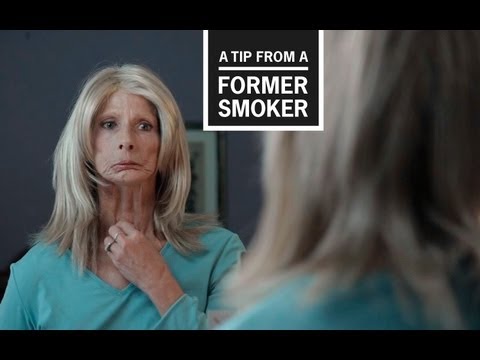
The testimonial does not need a star. In the CDC's Tips From Former Smokers, a former smoker called Terrie shows how she gets ready each day after throat cancer treatment. Her own experience is the evidence, which makes her far harder to dismiss than a paid celebrity.
Why it works, and where it fails
Testimonials buy attention and borrowed trust. We tend to believe people we like or look up to, and qualities we admire in a person, such as skill, toughness or honesty, seem to rub off on whatever they recommend (see authority, liking and the halo effect).
The device fails when the endorser has no reason to know. A film star recommending a watch is, in the words of the Internet Encyclopedia of Philosophy, a fallacious appeal to authority. It fails when the endorser's reputation changes, dragging the brand with it, and when viewers remember the star and forget the product. And it fails when hidden payments come to light. In the United States, the Federal Trade Commission's Endorsement Guides say an endorsement must reflect the endorser's honest opinion and experience, that you cannot talk about a product you have not tried, and that payments or free products should be disclosed when the audience would not expect them.
Testimonial vs transfer
A testimonial uses a person who speaks: "I use it, and you should too." Transfer uses a symbol or institution, such as a flag or the look of science, that lends its prestige without saying anything. When a star merely appears in an ad, adding glamour, the effect is closer to transfer; when the star vouches for the product, it is a testimonial.
Testimonial vs plain folks
An ordinary customer's testimonial combines two devices: the testimonial ("it worked for me") and plain folks ("I am just like you"). The CDC's Tips From Former Smokers uses exactly this pairing.
How to answer it
The IPA offered three questions. Who or what is quoted in the testimonial? Why should we regard this person, organisation or publication as having expert knowledge or trustworthy information on the subject? And what does the idea amount to on its own merits, without the testimonial? To those, add two modern ones: is the endorser paid or otherwise connected to the seller, and do they actually use what they are selling? Look for labels such as "ad", "sponsored" or "paid partnership", and for the name of whoever ran any survey being quoted.
Every ad here that uses testimonial and endorsement36
2020s
-
 2022
Never Done Evolving feat. Serena
The ad is built entirely around Serena Williams, pitting her teenage and veteran selves against each other to embody the brand's theme of constant evolution.
-
 2021
Not Just a Cadbury Ad ("Shah Rukh Khan-My-Ad")
Machine learning recreates the face and voice of India's biggest film star so that he names stores near each viewer.
2010s
-
 2018
Dream Crazy
Kaepernick fronts and narrates the film, lending his own sacrifice to a message about chasing impossible ambitions whatever the cost.
-
 2017
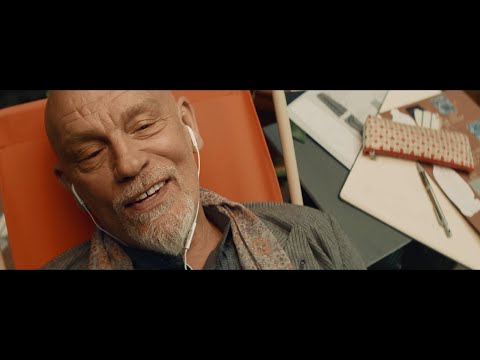
Calling JohnMalkovich.com
John Malkovich, playing himself as a new menswear designer, embodies the very panic the product solves: someone else holding your domain.
-
 2014
I Will What I Want (Gisele Bündchen)
A newly signed supermodel works a heavy bag in one raw take, her determination answering online doubts that she is a real athlete.
-
 2013
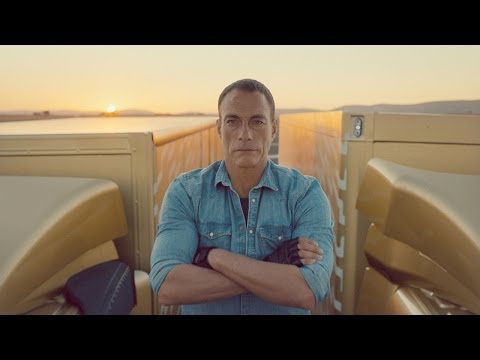
The Epic Split
Jean-Claude Van Damme stakes his body on the trucks' steering, putting a recognisable face on a technical feature sold to fleet buyers.
-
 2012
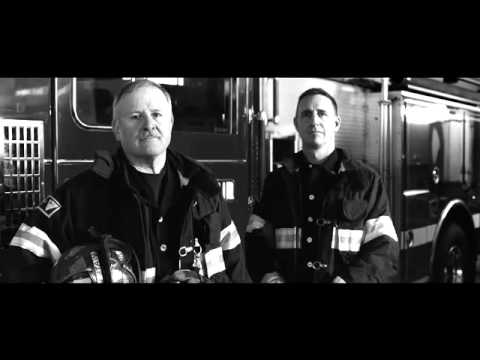
Halftime in America
Clint Eastwood's rasping narration lends a famous, weathered voice to the call for a national comeback.
-
 2012
Tips From Former Smokers ("Terrie")
A real former smoker speaks from experience about getting ready each day after throat cancer treatment took her teeth, her hair and her larynx.
-
 2011
Born of Fire ("Imported from Detroit")
Eminem drives the Chrysler 200 through Detroit to the Fox Theatre, so the star himself embodies the defiant comeback the car stands for.
-
 2010
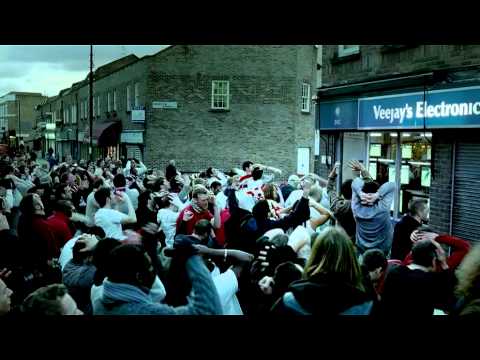
Write the Future
Star footballers such as Rooney and Ronaldo, plus a cameo from Kobe Bryant, carry the epic, closely identifying Nike with the players fans are about to watch.
2000s
-
Fiesta MovementFord2009
Fiesta Movement
A hundred social-media-savvy agents drive the car for six months, so it is introduced through their unscripted posts rather than the carmaker's own claims.
-
Windows. Life without walls.Microsoft (Windows)2008
I'm a PC
Famous users, among them Bill Gates, Eva Longoria and Deepak Chopra, appear alongside ordinary ones to vouch for being a PC.
-
 2008
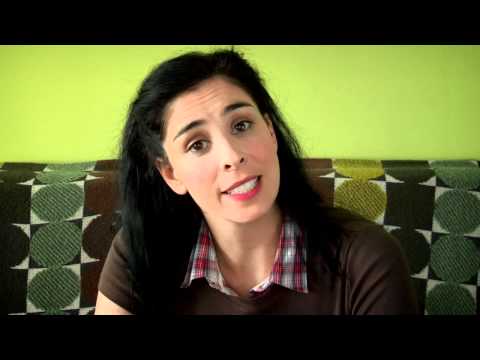
The Great Schlep
Sarah Silverman fronts the video, urging young people to persuade their grandparents and to withhold visits if they refuse.
-
 2005
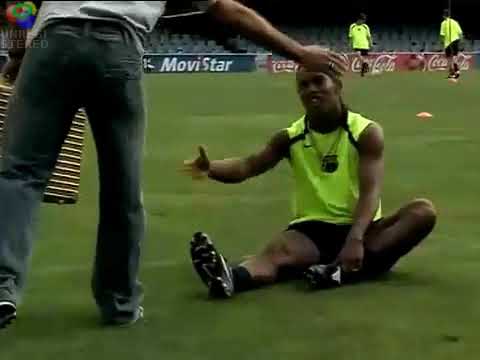
Crossbar ("Ronaldinho: Touch of Gold")
A star doing something just about believable ties the boots to his skill, and the argument over whether it was real keeps people forwarding it.
-
 2002
Do Boond Zindagi Ki ("Two Drops of Life")
India's best-known film star fronts the campaign, using his fame to persuade reluctant parents to bring their children for the vaccine.
-
 2002
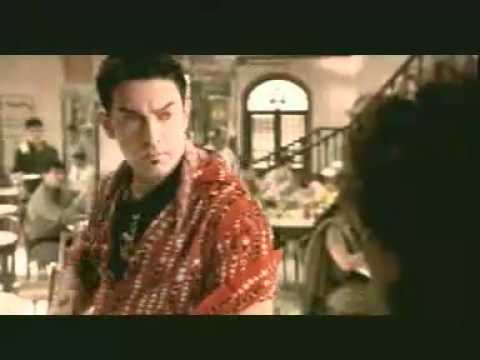
Thanda Matlab Coca-Cola
Bollywood star Aamir Khan, disguised as a run of regional characters such as a Punjabi farmer, personally insists that a cold drink means Coca-Cola.
1990s
-
Milk. What a surprise!National Fluid Milk Processor Promotion Board (MilkPEP)1995
The Milk Mustache ("Milk. What a Surprise!")
Stars such as Lauren Bacall and Naomi Campbell, lit and posed like magazine covers, lend their celebrity to an everyday drink.
-
Power is nothing without control.Pirelli1994
Power Is Nothing Without Control (Carl Lewis)
An Olympic champion sprinter, cast against type in red stilettos, lends his famous speed to a tyre brand.
-
 1993
The Showdown (Jordan vs. Bird)
Two basketball greats play believable versions of themselves, with the burger as the stakes rather than the subject of their contest.
-
 1992
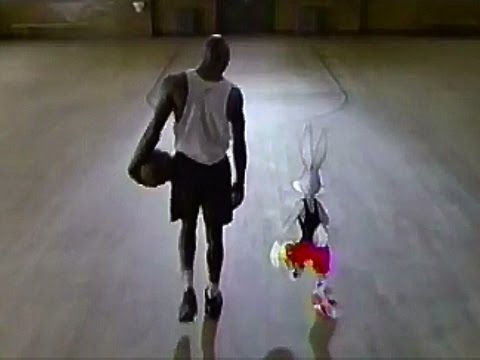
Hare Jordan
Michael Jordan plays alongside Bugs Bunny, so the brand pairs its star athlete's fame with a much-loved cartoon character.
-
 1992
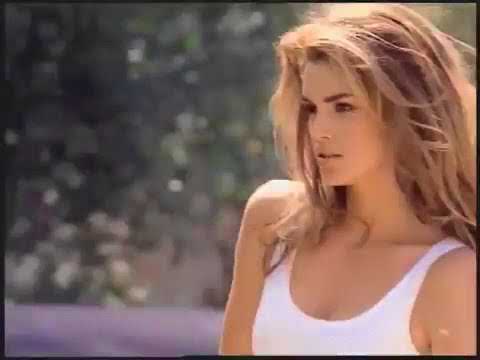
New Can
The most famous supermodel of the moment drinks a Pepsi, lending her star power before the spot hands the spotlight back to the packaging.
-
 1991
Uh-Huh (You Got the Right One, Baby)
Ray Charles performs the jingle at a grand piano, lending a legendary musician's voice and charisma to a diet cola.
-
 1991
Be Like Mike
Footage of Jordan laughing and playing with children invites viewers not just to drink what he drinks but to become like him.
1980s
-
 1989
Bo Knows
Stars from other sports vouch that Bo knows their game, using the one athlete playing two professional sports to sell a shoe for every sport.
-
 1986
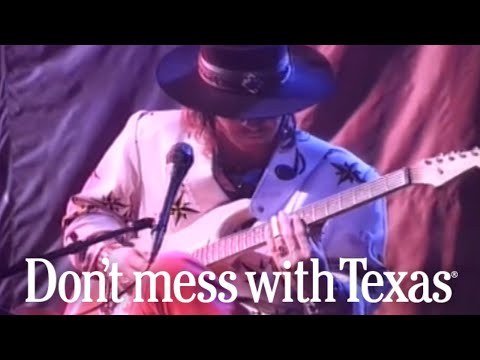
Don't Mess with Texas
Blues guitarist Stevie Ray Vaughan delivers the launch spot's closing command, lending a home-grown star's cool to a message aimed at young men.
-
 1984
Come and Say G'day (Shrimp on the Barbie)
A local television star addresses Americans directly as their host, personally promising to slip an extra shrimp on the barbie for them.
1970s
-
 1979
Hey Kid, Catch! ("Mean Joe Greene")
A famously fearsome football star plays himself, so his gratitude for the drink works as a warm celebrity endorsement.
-
Can West Wear East?Parco1979
Can West Wear East?
Faye Dunaway, in an Issey Miyake robe, embraces two Japanese girls, lending her star presence to a store that sells a point of view rather than merchandise.
-
 1974
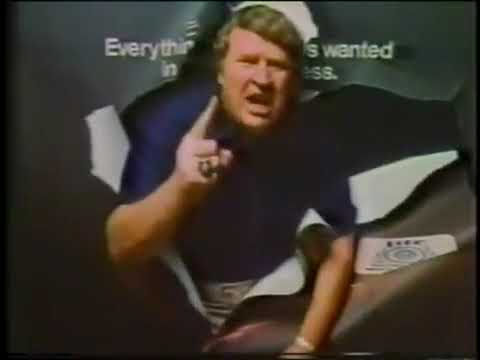
Tastes Great, Less Filling
Masculine sports stars and tough-guy celebrities lend the light beer credibility with exactly the drinkers who might have mocked a diet product.
-
Let Noxzema cream your face.Noxzema1973
Let Noxzema Cream Your Face
Jets quarterback Joe Namath fronts the shaving cream, lending a famous athlete's celebrity and grin to the product.
-
 1971
Because I'm Worth It
A woman speaks for herself about her own choice, replacing the familiar male voiceover in which a husband praises his wife's hair.
1940s
1910s
-
 1919
The Instrument of the Immortals
The brand is identified with nearly every great pianist and composer, letting the company it keeps do the endorsing.
-
 1917
Gee!! I Wish I Were a Man, I'd Join the Navy
The woman speaks in the first person as a would-be recruit, so the Navy is endorsed by exactly the kind of person the male reader might want to impress.
1890s
-
 1893
Divan Japonais
Prominently featuring the dancer Jane Avril and singer Yvette Guilbert implies you might see such stars there, though neither then performed at the venue.
-
 1891
Moulin Rouge – La Goulue
The cancan star La Goulue, mid-kick at the centre of the floor, is the named attraction that sells the dance hall's season.
Questions people ask
What is testimonial propaganda?
Testimonial is a propaganda technique in which a respected, famous or seemingly ordinary person vouches for a product, idea or candidate, so that trust in the speaker carries over to the claim. It is one of the seven propaganda devices listed by the Institute for Propaganda Analysis in 1937.
What is an example of testimonial propaganda?
From 1946 R.J. Reynolds advertised that "More doctors smoke Camels than any other cigarette"; a 2006 study found the surveys were run by its own advertising agency, with most doctors questioned just after being given free cartons. Celebrity examples include Gatorade's 1991 "Be Like Mike" campaign with Michael Jordan.
What is the difference between a testimonial and an endorsement?
In marketing, a testimonial usually comes from a customer and an endorsement from a celebrity or expert, but both use the same propaganda device. The US Federal Trade Commission treats both as endorsements: advertising messages that consumers are likely to believe reflect the views of someone other than the advertiser.
Is a testimonial a logical fallacy?
Only when the person quoted is not a real authority on the subject, cannot be trusted or is misquoted. A film star's testimonial for a watch is a standard textbook example of a fallacious appeal to authority.
What is the difference between testimonial and transfer?
A testimonial uses a person who speaks for the product or idea, while transfer uses a symbol or institution, such as a flag or the look of science, that lends prestige without saying anything.
Do celebrities have to use the products they endorse?
In the United States, the Federal Trade Commission's Endorsement Guides say that if an ad says or implies the endorser uses the product, they must genuinely have used it. Payments or free products that the audience would not expect should also be clearly disclosed.
Why do testimonials work?
People tend to believe those they like, admire or see as experts, and admired qualities seem to rub off on what they recommend. A famous face also simply wins attention.
Sources7
- Propaganda Analysis, Volume I (includes “How to Detect Propaganda”, the bulletin’s second issue, 1937)
- The Fine Art of Propaganda (excerpts from the Institute for Propaganda Analysis book, ed. Alfred McClung Lee and Elizabeth Briant Lee, 1939)
- The Iconography of Propaganda Analysis (excerpts from The Fine Art of Propaganda, 1939)
- “The Doctors’ Choice Is America’s Choice”: The Physician in US Cigarette Advertisements, 1930–1953
- FTC's Endorsement Guides: What People Are Asking
- Fallacies
- Testimonial