Technique
Card stacking
Ads that build a one-sided case: only the favourable facts appear, and a weakness is often turned into a strength.
All ads
-
 2017
2017Black Supermarket (Le Marché Interdit)
Frames legal vegetables as forbidden goods, leaving out that only the seeds are restricted, to make a dry regulatory dispute feel like an outlaw story.
-
 2014
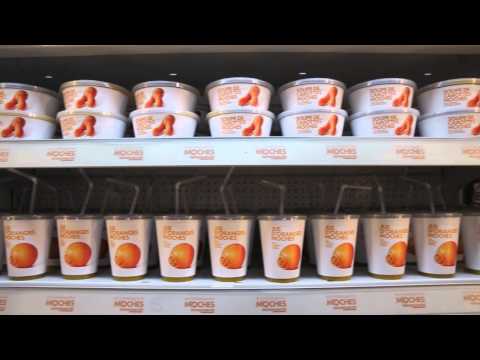
2014Inglorious Fruits & Vegetables
Turns the produce's weakness into a selling point, giving rejects their own proud branding and a price about 30% lower.
-
 2011
2011Born of Fire ("Imported from Detroit")
Turns the brand's biggest liabilities, a written-off city, bailouts and decline, into its whole argument for luxury that has been to hell and back.
-
 2007
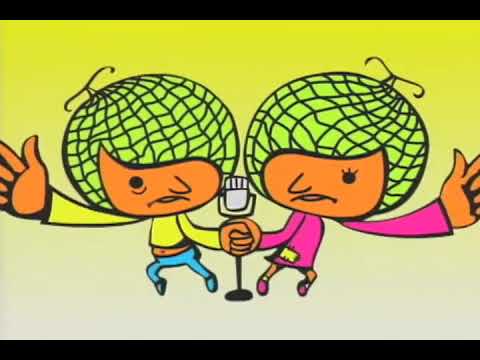
2007No Money, but Love (Yubari Fusai)
Owns the city's bankruptcy instead of hiding it, recasting a lack of money as an abundance of love and promoting its low divorce rate.
-
 2004
2004Grrr ("Hate Something, Change Something")
Leads with diesel's most hated qualities, turning an engineer's loathing of noisy old engines into the case for Honda's better one.
-
 1999
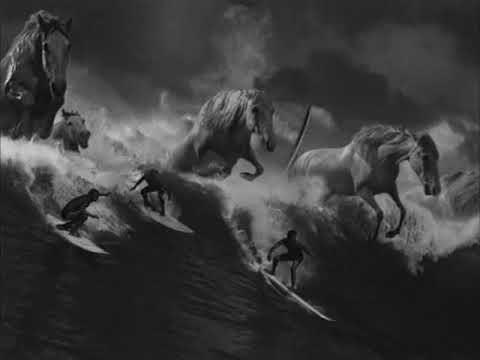
1999Surfer
Recasts the long wait for a properly settled pint, an operational drawback, as the patient virtue that defines the whole brand.
-
 1992
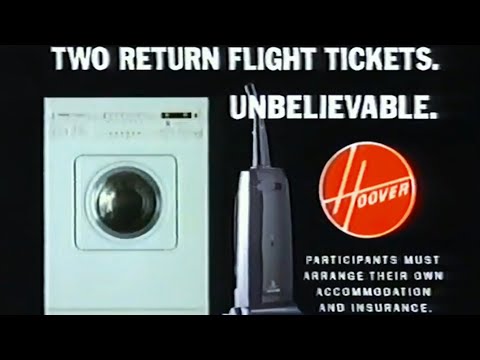
1992Free Flights Promotion
Headlines only the generous offer while relying on tight deadlines, unwanted dates and costly extras to deter people from claiming.
-
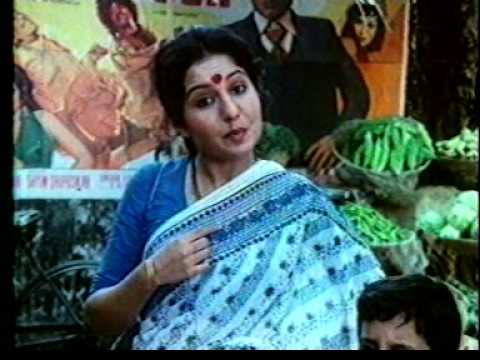 1984
1984Lalitaji
Defends the higher price instead of cutting it, recasting the gap with a much cheaper rival as proof of better value.
-
Reassuringly expensive.Stella Artois1982
Reassuringly Expensive
Two words recast a premium price, usually a drawback, as reassuring proof of quality.
-
 1971
1971Because I'm Worth It
Turns the higher price into a virtue, since she pays more precisely because she is worth it.
-
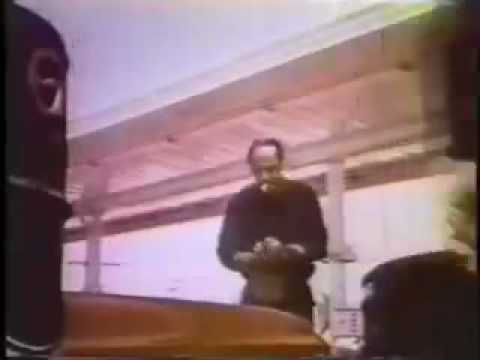 1966
1966The Disadvantages
Cheerfully lists the awkward disadvantages of an extra-long cigarette, so each supposed flaw quietly advertises the extra length and extra puffs.
-
Avis is only No. 2 in rent a cars. So we try harder.Avis1963
We Try Harder ("Avis is only No. 2")
Admitting it is only number two becomes the reason to choose the company, because it has to try harder.
-
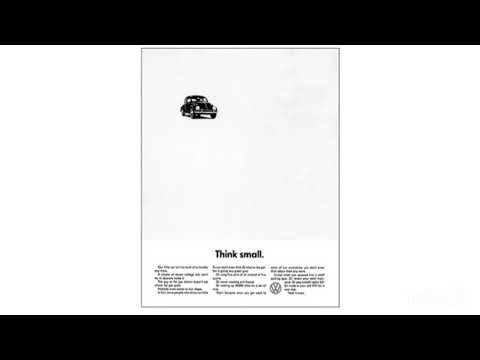 1959
1959Think Small
Calling the car small and even a lemon turns its apparent weaknesses into reasons to trust and buy it.
Card stacking: how it works
Card stacking means arranging the evidence so that only one conclusion seems possible: favourable facts are emphasised, unfavourable ones left out, and sometimes an obvious weakness is reframed as a virtue. It is one of the seven propaganda devices popularised by the Institute for Propaganda Analysis in the late 1930s, and it is still taught as a way to read advertising critically.
How to spot it
- Selective statistics or comparisons that tell only part of the story.
- A disadvantage presented as a benefit, such as small, slow, expensive or ugly.
- A tidy argument with no counterpoint.
Why it works
A confident one-sided case is easy to follow and hard to rebut in the moment. Advertising's most admired uses of the technique are often honest about the weakness and clever about the reframing, which makes them persuasive and memorable at the same time.