Technique
Jingles and music
A jingle is a short original song or sung slogan written for an ad so that the brand name or line sticks in memory. These are the most famous jingles and ad songs, where the form came from and what research says about why they stick.
What is a jingle?
A jingle is a short piece of original music with words, written for an advertisement, that sings the brand name or slogan so that it sticks in memory. Most last from a few seconds to half a minute, and the most famous can be sung back by people who have not heard them in years. Jingles belong to a wider family of advertising music that also includes sonic logos and licensed pop songs.
Where it comes from
Rhymes sold goods before radio did. The Library of American Broadcasting traces the jingle to verse advertising in print, such as an 1876 soap ad written by Bret Harte, and to commissioned songs such as "In My Merry Oldsmobile" (1905). Burma-Shave's roadside signs, from 1925, took the printed jingle to the highway, and families recited them (Burma-Shave Roadside Verses).
The sung commercial began on Christmas Eve 1926, when a barbershop quartet in a Minneapolis radio studio sang "Have You Tried Wheaties?" on WCCO for the Washburn Crosby Company, which became General Mills in 1928. General Mills says it is believed to be radio's first singing advertisement. By 1929 Wheaties sales were falling, but more than 60% of them came from Minneapolis–St Paul, the only area where the jingle was regularly broadcast, so the company took the campaign national. The first jingle broadcast nationwide followed in 1939: "Pepsi-Cola hits the spot", set to the old folk tune "D'ye ken John Peel".
The jingle reached its height with radio and television. When Advertising Age named the top ten jingles of the century in 1999, it ranked McDonald's "You deserve a break today" first, the US Army's "Be all that you can be" second and "Pepsi-Cola hits the spot" third. Since then many advertisers have replaced original jingles with licensed pop songs, background music and short sonic logos, although some long-running jingles, such as State Farm's "Like a good neighbor", are still in use.
How to spot it
- The brand name or slogan is sung, not just spoken.
- The tune was written for the ad, not borrowed from the charts.
- It is short, repetitive and easy to sing back.
- It returns across many ads, sometimes for decades, while the pictures change.
The best examples
- You Deserve a Break Today (McDonald's, 1971). Ad Age's No. 1 jingle of the century. It sang about a hamburger stop as a small reward for a tired family, an emotional benefit no competitor was claiming.
- Hilltop (Coca-Cola, 1971). The song was the commercial, and radio stations took requests to play it. Re-recorded as "I'd Like to Teach the World to Sing", it became a pop hit.
- Be All You Can Be (U.S. Army, 1981). Ad Age's No. 2 jingle. It recast enlisting as self-improvement and ran for twenty years.
- Slip! Slop! Slap! (Anti-Cancer Council of Victoria, 1981). A cartoon seagull sings three verbs for sun protection. The rhythm made the instruction something children could chant, and Australia's National Film and Sound Archive has added the jingle to its Sounds of Australia registry.
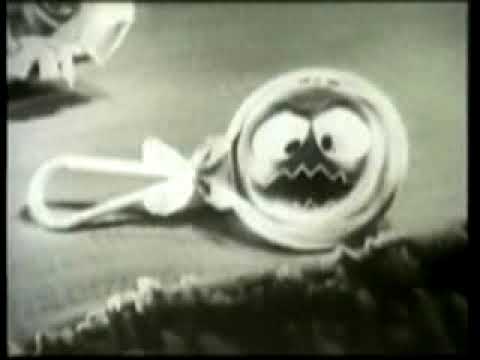
- Louie the Fly (Mortein, 1957). A jingle added in 1962 and the same gravel voice for more than five decades made the pest itself the brand's character.
- Dumb Ways to Die (Metro Trains Melbourne, 2012). A pop song about absurd deaths, with train accidents saved as the dumbest. It reached the iTunes top ten within 24 hours, so the safety message spread as a song people chose to play.
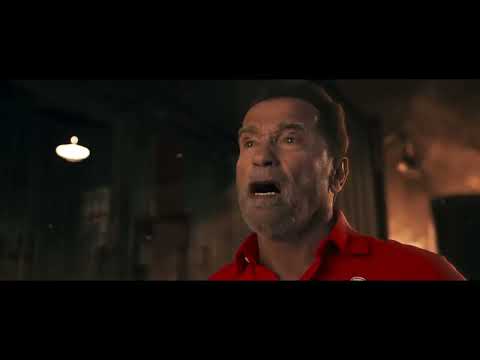
- Like a Good Neighbaaa (State Farm, 2024). Arnold Schwarzenegger keeps mangling the brand's jingle until Danny DeVito says it properly. Because the joke is the slogan, every laugh repeats it, and the spot topped USA Today's Ad Meter.
- You're Never Alone with a Strand (Strand, 1959). The cautionary case: its theme reached No. 39 in the charts as a pop record, yet almost nobody bought the cigarettes.
Why it works, and when it backfires
Music makes words easier to repeat. Rhythm and rhyme give a line a shape the ear can hold, and hearing the same tune many times makes it familiar, which on its own tends to make it liked: the mere-exposure effect. The evidence on memory is less tidy than advertisers assume. In 1991 the marketing professor Richard Yalch noted that research did not always support the industry's belief that jingles help people remember slogans; his two experiments identified conditions in which singing a slogan helped and others in which it did not.
A jingle can also be remembered without selling. Strand's theme became a hit record while the brand failed, which is why it is taught alongside the successes. The jingles that last tie the tune to the brand name or the promise, so that humming it means saying the brand.
Jingle, sonic logo or song?
Advertising music comes in four main forms, and each does a different job.
- Jingle: original music with words that sing the brand or slogan. Its job is memory, as in You Deserve a Break Today.
- Sonic logo: a few notes, usually without words, that sign off every ad the way a visual logo does. Intel's five-note sound mark was composed by Walter Werzowa in two weeks, and Intel told the Los Angeles Times in 1999 that viewers identified the company from the sound alone. Hamlet cigars used a Bach theme the same way, as the cue for consolation (Photo Booth).
- Licensed song: an existing track chosen for its mood and associations. Levi's Launderette used a cover of Marvin Gaye's "I Heard It Through the Grapevine", and Cadbury's Gorilla is built around the drum fill of Phil Collins's "In the Air Tonight".
- Ad song that becomes a hit: music made for or chosen by an ad that takes on a life of its own, from Hilltop to Mr Oizo's "Flat Beat" for Levi's Flat Eric, which went to No. 1 in the UK singles chart.
The Library of American Broadcasting describes the jingle as an almost forgotten art form, replaced in commercials by adapted pop songs and generic background music. The trade-off is that a licensed song brings ready-made feeling but belongs to someone else, while a jingle or sonic logo has to be built up over time but belongs only to the brand. For lines that outlived their campaigns, see slogans that stuck.
Every ad here that uses jingles and music42
2020s
2010s
-
 2018
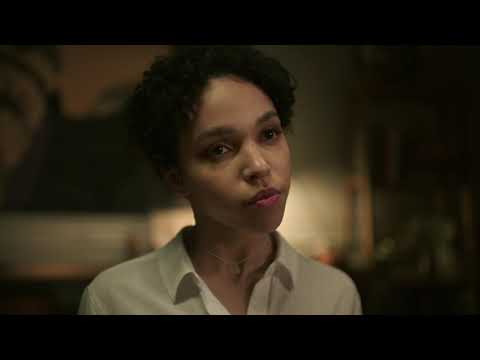
Welcome Home
A single song, requested from the speaker, drives the dance and every transformation, so the music becomes the visible proof of room-filling sound.
-
 2016
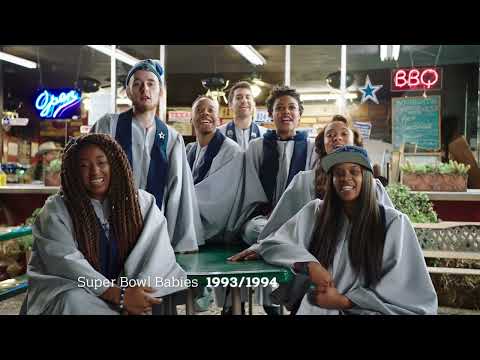
Super Bowl Babies Choir
A rewritten pop hit, sung by Seal with a choir of real fans, carries the message and leans on the word 'baby'.
-
 2016
6 Pack Band
The band's songs, starting with a cover of Pharrell Williams's 'Happy', spread across YouTube, radio, streaming and caller tunes with the brand as sponsor.
-
 2016
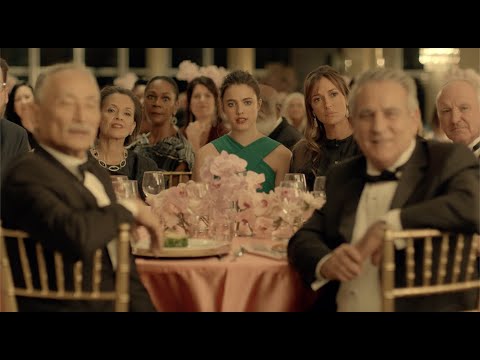
Kenzo World (My Mutant Brain)
An original track powers the frantic dance from start to finish, so the music carries the film's uninhibited mood.
-
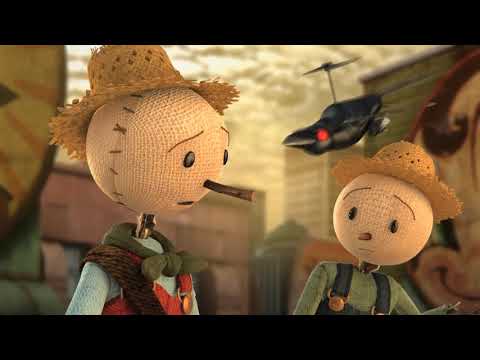 2013
The Scarecrow
A haunting cover of a song from Willy Wonka scores the film, giving the story its melancholy mood across film, game and song.
-
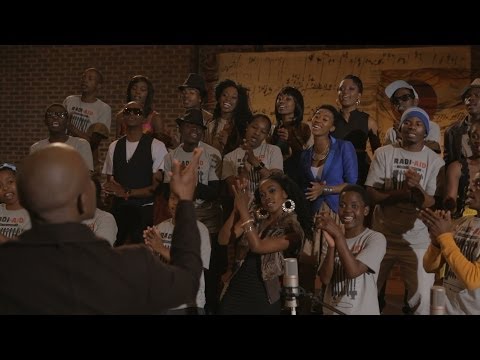 2012
Radi-Aid: Africa for Norway
A rousing charity-single song carries the satire, borrowing the format of famous fundraising records to make the critique catchy and shareable.
-
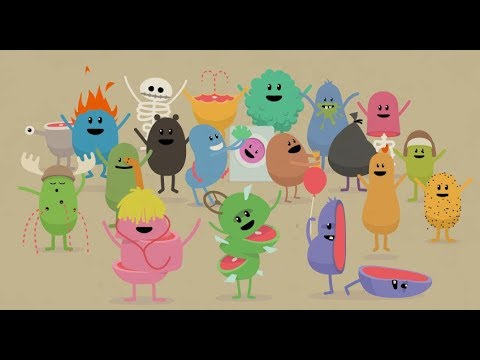 2012
Dumb Ways to Die
A genuinely catchy pop song lists a string of dumb deaths, with train accidents saved as the dumbest, so the safety message sticks as an earworm.
-
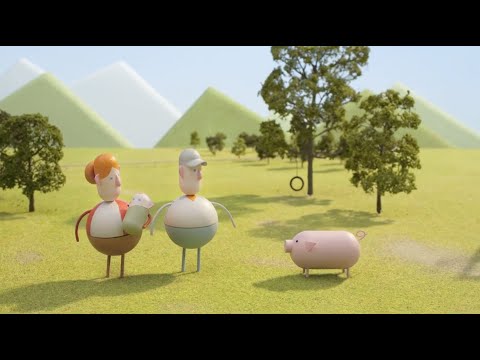 2011
Back to the Start
Willie Nelson's cover of a Coldplay song carries the film's emotion so strongly that the recording tops the iTunes country chart in its own right.
2000s
-
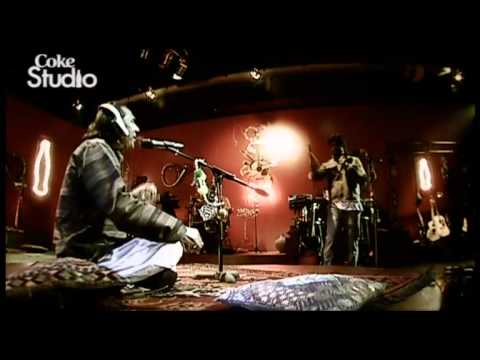 2008
Coke Studio Pakistan
Lets music do the selling, recording pop and rock acts live with qawwali, folk and classical singers on a show the brand hosts.
-
 2007
Gorilla
The drum fill of Phil Collins' song is the film's climax, so the music itself delivers the emotional charge the brand wants.
-
UniqlockUniqlo2007
Uniqlock
Original time-signal music and short dance routines showing the clothing mark the time, a wordless format that reads the same in any language.
-
 2005
Big Ad
Sets self-mocking lyrics about the ad's size and expense to O Fortuna, making the sung joke the centrepiece of the spot.
-
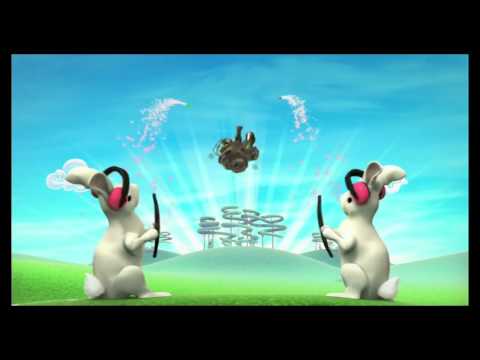 2004
Grrr ("Hate Something, Change Something")
A crooned song built on the line about hating something and changing something carries the message through a candy-coloured animated wonderland.
1990s
-
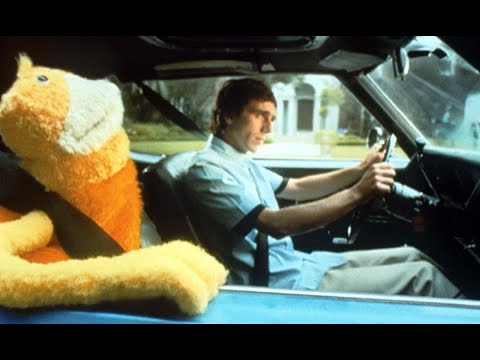 1999
Flat Eric (Sta-Prest)
Sets the puppet to a techno bassline that goes on to top the UK singles chart, making the music inseparable from the campaign.
-
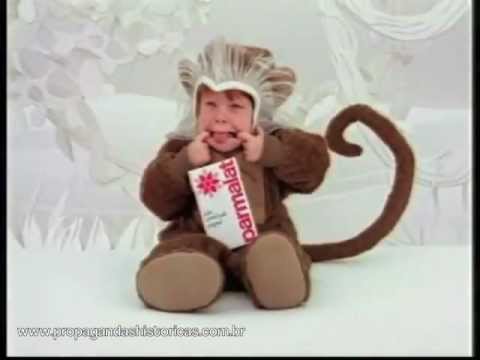 1996
Mamíferos
A slow, sung line declaring that the elephant is a fan of the brand carries the name into memory.
-
 1995
Holidays Are Coming
The sung line “Holidays are coming” is almost the whole script, and its opening bars now work as a sound cue for the season.
-
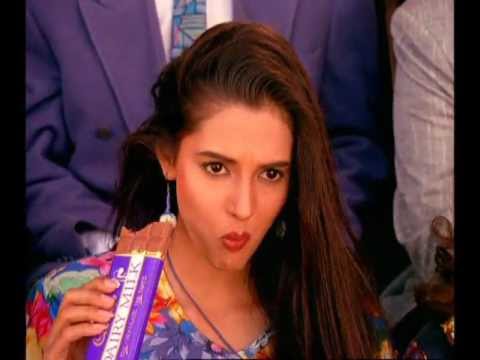 1994
Cricket (Kuch Khaas Hai)
A Hindi song carrying the line about the real taste of life does as much of the persuading as the pictures.
-
 1993
Tested for the Unexpected
A brooding Velvet Underground track sets the pace and menace, selling the engineering as atmosphere rather than argument.
-
 1991
Uh-Huh (You Got the Right One, Baby)
A new sung slogan, answered by backing singers' knowing 'uh-huh', becomes a national catchphrase that people can sing back.
-
 1991
Be Like Mike
A catchy song wishing to be like Mike carries the whole aspiration, popular enough that listeners request it on the radio.
1980s
-
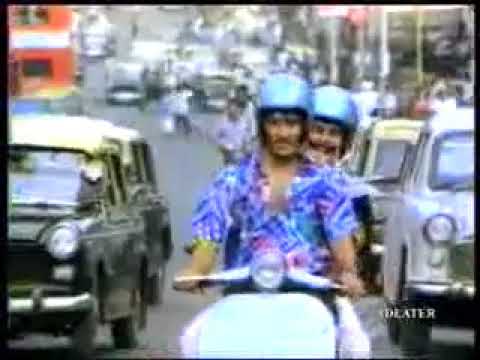 1989
Hamara Bajaj
A swelling raga-based chorus ending on the brand line is hummed nationwide, carrying the patriotic message into memory.
-
 1989
Jeong
A jingle insisting nothing needs saying because the feeling comes from the heart turns the brand's emotional claim into a song.
-
 1988
Mile Sur Mera Tumhara
One melody passes through fourteen languages and many voices, letting the song itself carry the idea that India's differences make one tune.
-
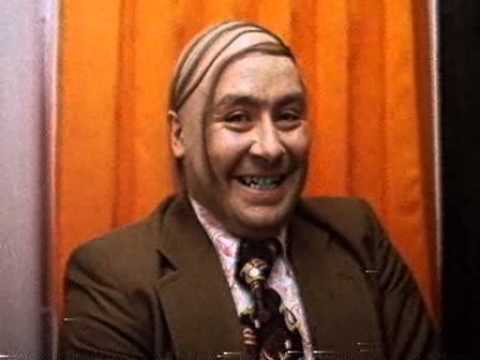 1987
Photo Booth ("Happiness is a cigar called Hamlet")
The Bach theme marks the moment of consolation, a sound signature that stands in for the brand while the pack never appears.
-
The best part of wakin’ up is Folgers in your cup.Folgers1986
Peter Comes Home for Christmas
The brand’s “best part of wakin’ up” tune, reworked for orchestra, carries the whole minute.
-
 1986
The California Raisins ("I Heard It Through the Grapevine")
Dancing raisins perform I Heard It Through the Grapevine, a song whose title neatly puns on where raisins come from.
-
 1985
Launderette
A Marvin Gaye soundtrack sets the mood and climbs the charts, starting a habit of ads that launch hit records.
-
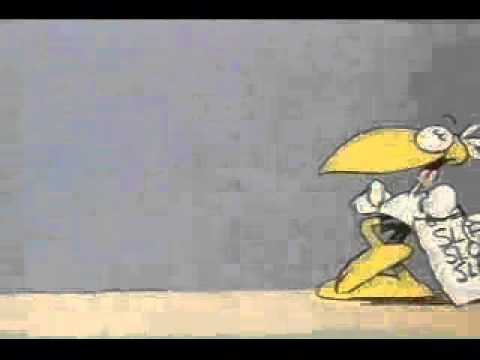 1981
Slip! Slop! Slap! (Sid the Seagull)
Three sung verbs, slip, slop and slap, turn sun protection into a chant children can repeat, letting the rhythm do the remembering.
-
 1981
Be All You Can Be
A sung slogan carries the line so well that a whole generation can still sing it.
1970s
-
 1976
Football, Meat Pies, Kangaroos and Holden Cars
A chanting crowd sings a list of national loves ending with the cars, slotting the brand among the things Australians cherish.
-
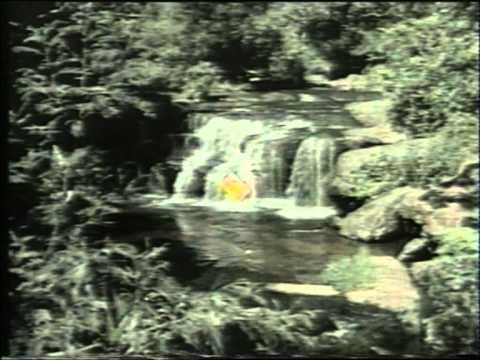 1975
Liril Girl (Waterfall)
A wordless la-la-la jingle carries the carefree mood that links the waterfall to an ordinary bathroom shower.
-
Kurisumasu ni wa Kentakkii (Kentucky for Christmas)KFC Japan1974
Kentucky for Christmas
Runs the same Christmas jingle for two decades, so the music becomes part of the seasonal habit.
-
Let Noxzema cream your face.Noxzema1973
Let Noxzema Cream Your Face
A strutting jingle sings the slogan so the suggestive phrase sticks and gets repeated the next morning.
-
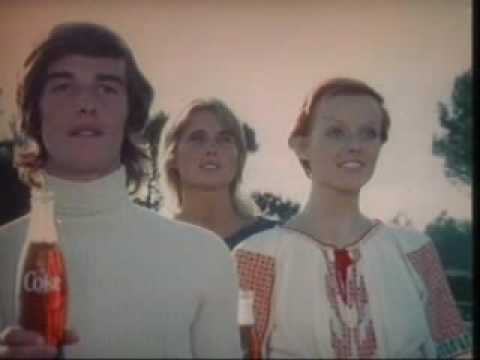 1971
Hilltop ("I'd Like to Buy the World a Coke")
The song is the commercial, a jingle about buying the world a Coke that radio listeners request and that goes on to become a pop hit.
-
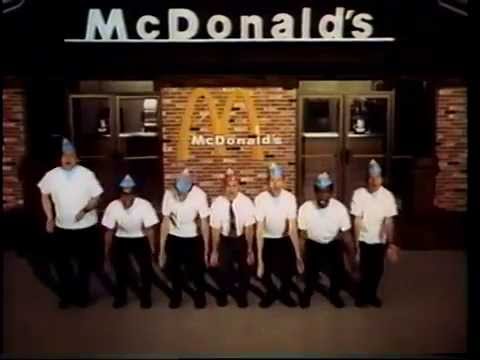 1971
You Deserve a Break Today
A melody telling families they deserve a break and urging them to get away becomes one of America's most recognised pieces of commercial music.
1950s
-
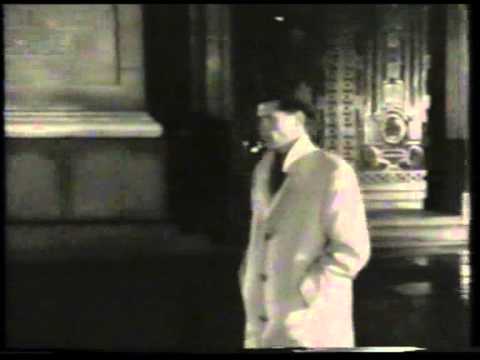 1959
You're Never Alone with a Strand (The Lonely Man)
A mournful theme carries the line and becomes the first jingle to chart as a pop record.
-
 1957
Louie the Fly
A long-running jingle and the same gravel voice for decades make the villain instantly recognisable.
-
 1953
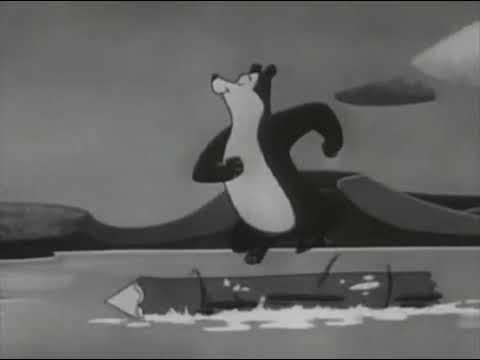
The Hamm's Bear
A tom-tom beat and chorus singing of sky blue waters sell the purity of the lakes, a sound as recognisable as the bear.
-
You like Ike, I like Ike, everybody likes Ike – for president.Dwight D. Eisenhower presidential campaign1952
Ike for President
The sung chorus repeats the candidate's name again and again, turning a nickname into a tune that sticks.
1920s
-
Within this vale / of toil / and sin / your head grows bald / but not your chin — Burma-ShaveBurma-Shave1925
Burma-Shave Roadside Verses
Rhyming jingles become so familiar that families recite them and newspapers report each new one.
-
Nowhere else but Mossel'prom!Mossel'prom1923
Mossel'prom Cooking Oil: Nowhere Else but Mossel'prom
A catchy rhymed refrain insisting it is sold nowhere else but Mossel'prom fixes the brand in memory.
Questions people ask
What was the first advertising jingle?
The first singing radio commercial is dated to Christmas Eve 1926, when a quartet sang "Have You Tried Wheaties?" on WCCO in Minneapolis; General Mills says it is believed to be radio's first singing advertisement. The first jingle broadcast nationwide was "Pepsi-Cola hits the spot" in 1939.
What is the most famous advertising jingle?
In 1999 Advertising Age ranked McDonald's "You deserve a break today" (1971) as the top jingle of the twentieth century, ahead of the US Army's "Be all that you can be" and "Pepsi-Cola hits the spot".
What were Ad Age's top 10 jingles of the century?
Ad Age's 1999 list was: "You deserve a break today" (McDonald's), "Be all that you can be" (US Army), "Pepsi-Cola hits the spot", "Mmm good!" (Campbell's), "See the USA in your Chevrolet", "I wish I were an Oscar Mayer wiener", "Double your pleasure, double your fun" (Wrigley's Doublemint), "Winston tastes good like a cigarette should", "It's the real thing" (Coca-Cola) and "A little dab'll do ya" (Brylcreem).
Why are jingles so catchy?
Rhythm, rhyme and repetition give a slogan a shape that is easy to recall and sing, and a tune heard often becomes familiar. Research is more cautious than the industry: Richard Yalch's 1991 experiments found that singing a slogan helps memory under some conditions but not others.
What is the difference between a jingle and a sonic logo?
A jingle is a short song with words that sings the brand name or slogan. A sonic logo is a few notes, usually without words, that sign off an ad like a visual logo, such as Intel's five-note sound mark.
Which advertising jingles became hit records?
Coca-Cola's 1971 "Hilltop" jingle became the pop hit "I'd Like to Teach the World to Sing", the Strand cigarette theme reached No. 39 in the charts, Mr Oizo's "Flat Beat" from Levi's Flat Eric ads reached No. 1 in the UK, and "Dumb Ways to Die" entered the iTunes top ten within a day of its 2012 release.
Do brands still use jingles?
Fewer do: many have replaced original jingles with licensed pop songs, background music and short sonic logos. Some long-running jingles survive, and State Farm built its 2024 Super Bowl ad around its own, which topped USA Today's Ad Meter.