Technique
Storytelling
Storytelling in advertising means selling through a story instead of a claim: characters, a problem, a turn and a payoff, with the brand inside the plot. Here are the best story ads, the research on why they work and the shape they follow.
What is storytelling in advertising?
Storytelling in advertising is selling through a story instead of a claim. The ad has characters, a situation, a problem or a turn, and a payoff, and the brand plays its part inside the plot rather than being announced over it. The audience follows what happens and reaches the conclusion for itself. A story ad can be thirty seconds of television, a two-minute Christmas film, a long-copy press ad or a series of episodes.
Where it comes from
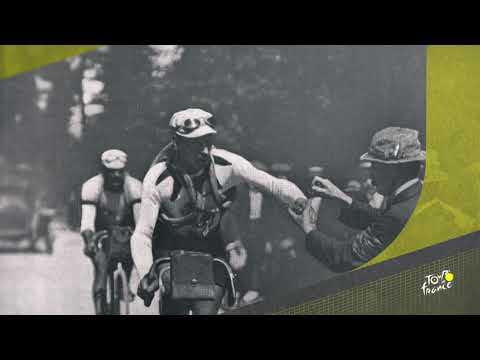
Advertisers told stories long before television. In 1903 the French sports paper L'Auto, losing a circulation war, launched a bicycle race around France and reported it stage by stage, so readers kept buying the paper to follow the plot (The Tour de France). In the 1920s American agencies filled magazines with small melodramas, which the historian Roland Marchand later grouped as advertising's "great parables": the parable of the first impression, for instance, in which one bad first impression dooms the hero. Listerine's Edna, "often a bridesmaid but never a bride", is the best known (Often a Bridesmaid but Never a Bride). In 1926 John Caples told a whole story of humiliation and triumph in one headline for piano lessons by post (They Laughed When I Sat Down at the Piano).
Television made the sixty-second drama a standard form, and the internet removed the time limit. In 2001 BMW and Fallon released eight short films by feature directors online (BMW Films: The Hire), and the long Christmas films of retailers such as John Lewis use the same freedom.
The research came later. In 2000 the psychologists Melanie Green and Timothy Brock described "transportation", the state of being absorbed in a story. In their experiments, the more transported readers were, the more they adopted beliefs consistent with the story, whether it was labelled fact or fiction. A 2014 meta-analysis by Tom van Laer and colleagues, pooling 132 effect sizes from 76 articles, found transportation linked to stronger emotional responses, more favourable attitudes and stronger intentions, and to fewer critical thoughts.
How to spot it
- The ad follows a protagonist, often an ordinary person, a child or an animal.
- Something is wanted or goes wrong, and the ad builds towards resolving it.
- A turn or reveal changes the meaning of what came before.
- The product or brand helps resolve the story instead of interrupting it.
- You could retell the ad to a friend as a story: "there's this old man who...".
The best examples
- Hey Kid, Catch! (Coca-Cola, 1979). A limping, scowling American football star accepts a Coke from a young fan and repays him with his shirt. The drink is the hinge of the plot: it turns menace into warmth.
- J.R. Hartley (Yellow Pages, 1983). An old man searches shop after shop for a book on fly fishing, and the twist reveals he wrote it. The story moved the directory away from emergencies; non-emergency enquiries rose from 6% to 20%.
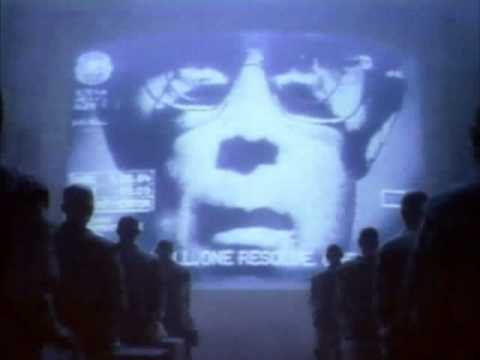
- 1984 (Apple, 1984). A dystopian short film in which a runner shatters Big Brother's screen. It shows no product features and casts the Macintosh as the end of the tyranny.
- Reunion (Google Search, 2013). A granddaughter uses search to reunite her grandfather with a friend lost at Partition. Each search is a step in the plot, so the product demonstration and the story are the same thing.
- Unsung Hero (Thai Life Insurance, 2014). A poor young man's daily kindnesses seem to earn him nothing, until the payoff shows what they gave others. An insurer sells the value of a life without mentioning a policy.
- Monty the Penguin (John Lewis, 2014). A boy's penguin grows lonely until Christmas morning, when the gift arrives and Monty is revealed as a toy. It won Cannes Grand Prix for both craft and effectiveness and was credited with £141m in incremental revenue.
- #heimkommen (Edeka, 2015). A father left alone every Christmas announces his own death so that his children will come home. It showed that a supermarket's Christmas film could carry an uncomfortable social truth.
Why it works, and when it backfires
A story holds attention because people want to know what happens next, and the payoff gives the brand a moment of strong feeling to attach itself to. Transportation research suggests a second effect: viewers absorbed in a story argue less with what it shows them.
The usual failure is a story that could belong to anyone. When the brand is a logo at the end instead of the turning point, viewers can remember the film and forget who paid for it. Stories also need time, which is one reason many of the best examples run for a minute or more, or are released online first. The strongest story ads, such as Hey Kid, Catch! and Reunion, make the product the hinge of the plot, so that retelling the story means naming the brand.
The shape of a story ad
Most story ads follow some version of the classic five-act dramatic form: exposition, rising action, climax, falling action and resolution. Keith Quesenberry of Johns Hopkins University and Michael Coolsen of Shippensburg University coded 108 Super Bowl commercials over two years against that structure and compared them with consumer ratings polls. Ads that told all five acts scored higher, and ratings rose with each act an ad contained. In Quesenberry's summary, what separated well-liked commercials was whether they told a story, not sex, humour or animals. Before the 2014 game he predicted that Budweiser's Puppy Love, a puppy's friendship with a Clydesdale told in full, would be the hit; it won USA Today's Ad Meter.
In a thirty- or sixty-second ad the acts compress into a few beats:
- Set-up: who this is and what they want (a boy and his penguin).
- Complication: what stands in the way (Monty is lonely).
- Turn: the moment the product, or the truth, changes things (the gift).
- Payoff: the new state, often with a reveal (Monty was a toy all along).
- Sign-off: the brand line, which should read as the moral of the story.
Every ad here that uses storytelling96
2020s
-
Don’t give up on giving.John Lewis2026
Gloria and Pickles
The empty envelopes and the single key on Christmas morning pay off the whole shopping trip in one reveal.
-
 2025
Where Love Lives
The record’s opening bars move the father from his living room to a 1990s dancefloor and back through his son’s childhood, all without dialogue.
-
 2024
The Gifting Hour
A dash through a closing shop becomes a journey through two sisters’ shared past, then lands back at the till with the gift.
-
 2023
Forever
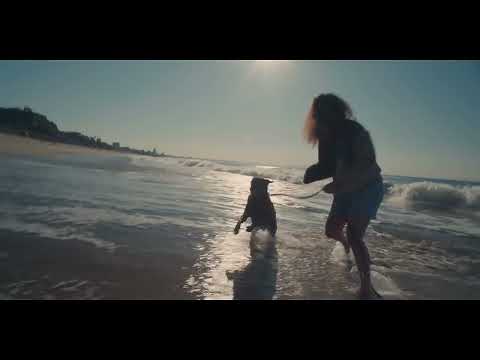
A puppy and a girl grow up together in one minute, from her childhood to her having a child of her own.
-
 2023
Snapper: The Perfect Tree
The family exiles the odd tree and then brings it back, turning the tagline about changing traditions into a plot.
-
 2023
The Everyday Tactician
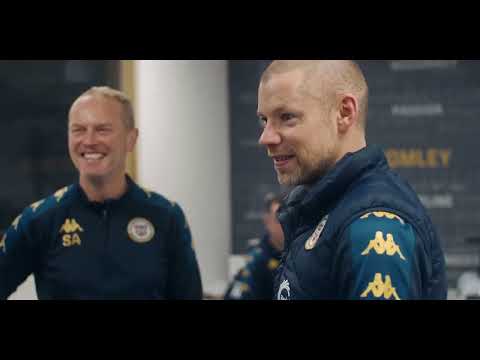
An unscripted three-part documentary follows a stadium tour guide through a season that ends in promotion via a play-off shoot-out he helped prepare for.
-
 2022
The Beginner
The reason for all the practice is held back until the doorbell rings and Ellie appears with her skateboard.
-
 2022
Never Done Evolving feat. Serena
Machine learning stages an impossible match between two eras of one player, so the technology serves a story about growth rather than replacing one.
-
 2022
Bring Home the Bud
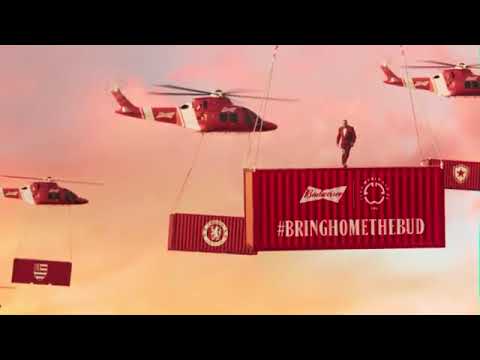
Turns the promise into a running saga, dropping crates in winning teams' cities overnight until the winners' crates are opened at parties in Buenos Aires.
-
 2021
Unexpected Guest
Each scene is one tradition shown to a visitor who has never seen it, ending with the gift of Nathan’s jumper.
-
When Harry Met SantaPosten (Norwegian postal service)2021
When Harry Met Santa
A slow romance told across several Christmas Eves, with the postal service as the plot device that ends it happily.
-
 2021
The Breakaway
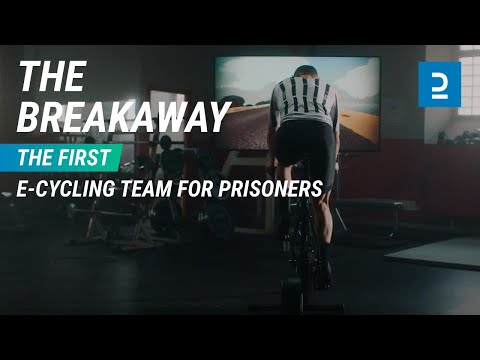
Follows the prison team through a podcast documenting how riding changed them, building to a live race against judges, guards and the justice minister.
-
 2020
From Our Family to Yours
A wordless story across three generations, carried by one toy and one yearly craft.
-
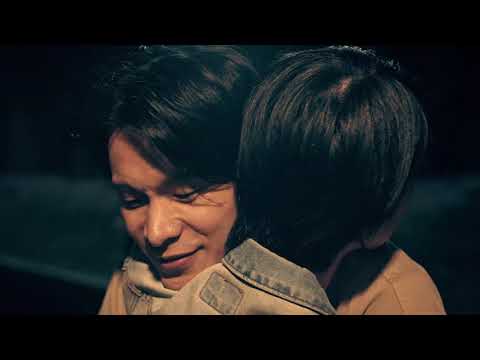 2020
In Love We Trust
A seven-minute film follows a registry clerk who loses faith in commitment until a devoted widower persuades her that love can last.
2010s
-
 2019
Excitable Edgar
An outcast who ruins the festivities is redeemed by one thoughtful gift that turns his problem into his part in the feast.
-
 2019
Be a Kid This Christmas
A day in a toddler’s working life ends with a cut that turns him into the grown man who runs the shop.
-
 2019
Swipe Night
A first-person end-of-the-world drama, told in four weekly episodes inside the app, gives strangers a shared story to talk about.
-
 2018
The Boy and the Piano
Reverse chronology holds back the point of the film, the Christmas present, until the last scene.
-
 2018
The Legend of Big John
Follows Big John from his village across a perilous ocean voyage to a payoff in which he lands in Holland and decides to call it Europe.
-
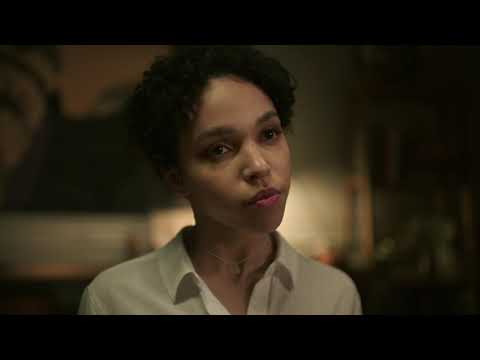 2018
Welcome Home
A worn-out woman comes home after a draining day and, once the music starts, her cramped apartment stretches and blooms in colour around her.
-
 2017
Moz the Monster
A friendship that costs a boy his sleep is solved by a gift, with a final beat that keeps the friend alive.
-
 2017
The Journey
A mother and daughter's journey north unfolds as a cliffhanger, with the ending at a door in a border wall held back.
-
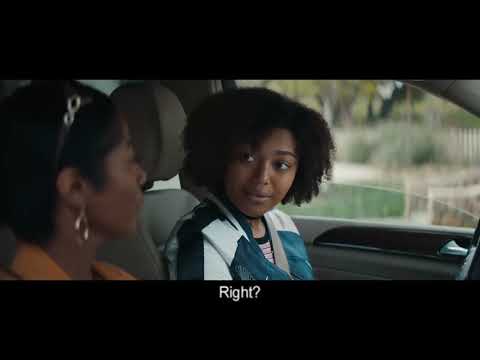 2017
The Talk
Moves across several decades of parents sitting their children down, building to a present-day scene between a mother and her teenage daughter.
-
 2016
Buster the Boxer
Buster’s envious watch through the window builds the joke that pays off on Christmas morning.
-
Coming Home for ChristmasHeathrow Airport2016
Coming Home for Christmas
A wordless journey from plane to arrivals hall, built around small kindnesses between an old couple.
-
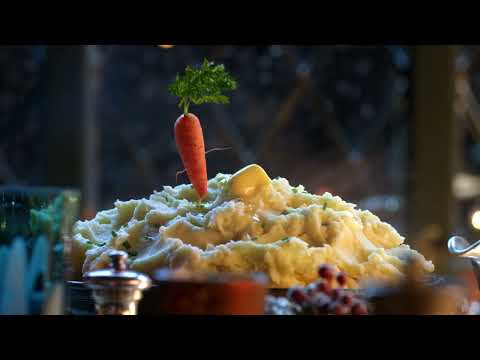 2016
The Amazing Christmas Carrot
A verse quest across the dinner table turns what is really a display of Aldi’s Christmas food into a plot.
-
Vicar and ImamAmazon (Prime)2016
Vicar and Imam
Two parallel acts of kindness meet in the final scene, when each friend opens the same gift.
-
 2016
Dads #ShareTheLoad
The film follows a father who watches his daughter juggle everything, writes to her, then goes home and starts doing the laundry himself.
-
 2016
English for Beginners
The reason for all the study is held back until the last line, “Hi, I am your grandpa.”
-
 2015
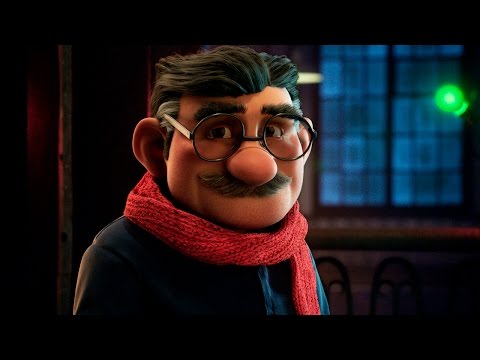
Justino
Follows a night watchman who befriends the unseen day shift through mannequin scenes, with a payoff in which the colleagues he cares for remember him.
-
 2015
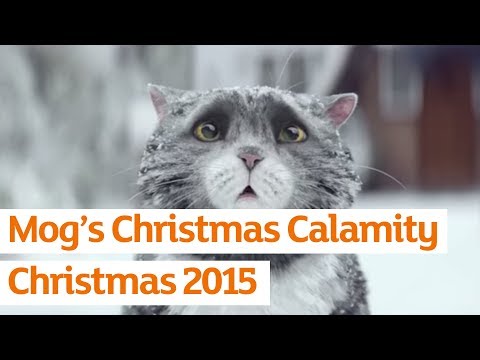
Mog’s Christmas Calamity
A picture-book plot of disaster and rescue, narrated like a bedtime story and resolved by the neighbours.
-
 2015
The Man on the Moon
A child’s determination to reach one stranger carries the whole film without dialogue.
-
 2015
#heimkommen ("Coming Home")
A father announces his own death so his scattered children finally come home, then greets the mourners at a laid table in a final twist.
-
 2014
1914
A self-contained war story told from one soldier’s point of view, with the chocolate bar as the final plot point.
-
 2014
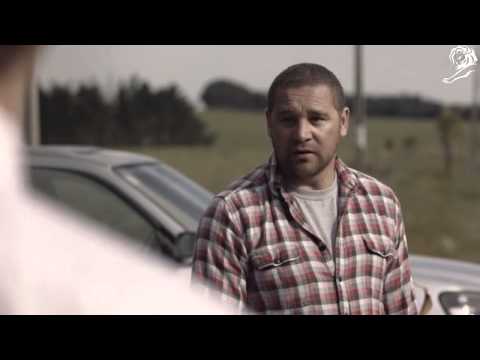
Mistakes
Time stops, both drivers step out to own their errors and the father pleads for his son, before they get back in and the crash happens.
-
 2014
Puppy Love
A wordless story follows a puppy that, even after being adopted, keeps coming back to the Clydesdale it loves.
-
 2014
Unsung Hero
Tracks a poor young man's daily kindnesses, which seem to earn him nothing, until the payoff reveals the girl in school and the plant thriving.
-
 2014
Monty the Penguin
Builds an arc around Monty's growing loneliness, then turns on Christmas morning when the gift arrives and he is revealed as a toy brought alive by imagination.
-
 2014
The Other Side
Mirror-image storylines follow one father on a daytime school run and, in a matching night world, as an undercover officer in a police sting.
-
Happy HolidaysApple (iPhone 5s)2013
Misunderstood
The first half sets the boy up as the family’s problem; the reveal turns him into the person who saved their Christmas.
-
 2013
The Bear and the Hare
A fable about a friend who has never seen Christmas resolves with a simple, well-chosen gift: an alarm clock.
-
 2013
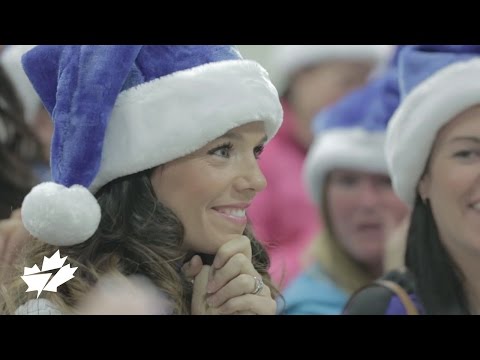
Christmas Miracle: Real-time Giving
Hidden cameras follow passengers from telling a virtual Santa their wishes before boarding to finding the presents waiting when they land.
-
 2013
Reunion
A granddaughter turns her grandfather's memories of a friend lost at Partition into searches, tracks the friend down and reunites them on his birthday.
-
 2013
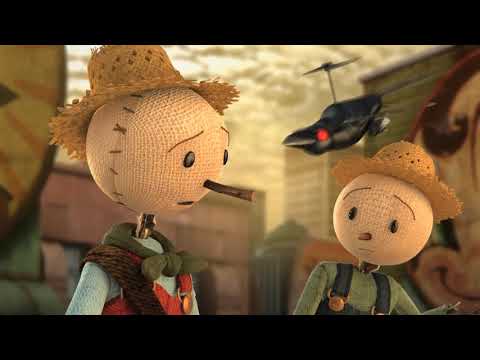
The Scarecrow
In a dystopian city run by a fictional food giant, a scarecrow forced into factory work sets out to bring wholesome food back.
-
 2012
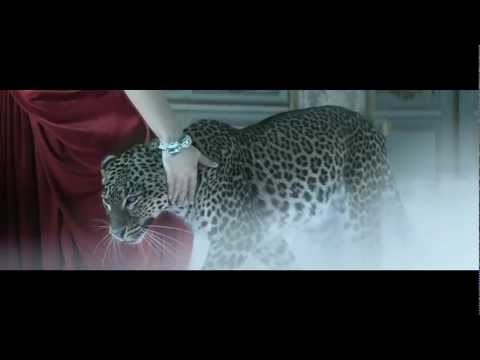
L'Odyssée de Cartier
Sends a living panther on an epic journey through snowbound St Petersburg, along the Great Wall and into an imagined Indian palace before returning to the Place Vendôme.
-
Give a little more love this Christmas.John Lewis2012
The Journey
An epic quest in miniature: the snowman’s dangers make a modest gift of hat, scarf and gloves feel heroic.
-
 2012
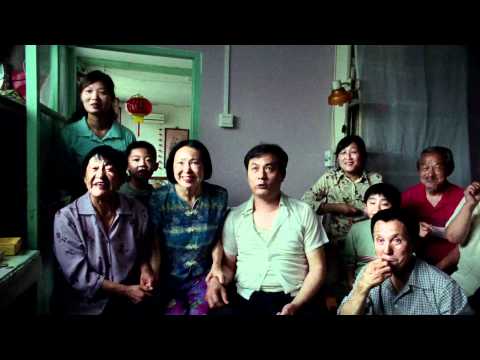
Best Job ("Thank You, Mom")
Follows mothers in four cities from pre-dawn wake-ups through driving and worrying, until the stands erupt and the camera finds each mother.
-
 2012
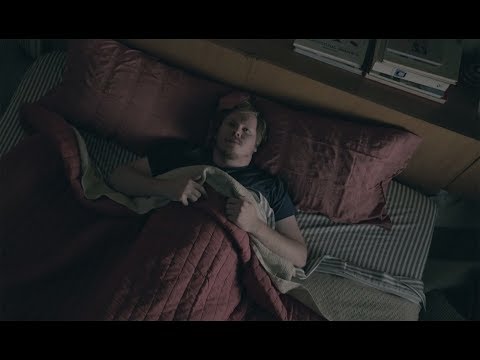
The Beauty Inside
A romance about a man who wakes in a different body each day carries the brand truth that what is inside counts.
-
 2011
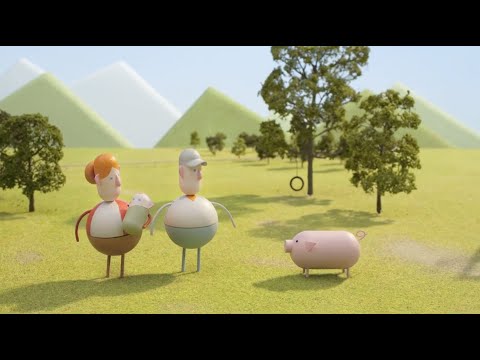
Back to the Start
Tells a fable of a farmer whose family pig farm grows into an industrial factory until a crisis of conscience sends him back to the start.
-
 2011
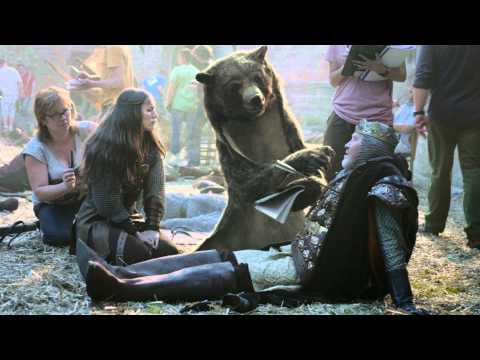
The Bear (L'Ours)
Follows a tantrum-prone director shooting a gothic epic, then reveals he is a bearskin rug whose love of film comes from years of watching Canal+.
-
For gifts you can’t wait to give.John Lewis2011
The Long Wait
The film lets viewers assume the boy is impatient for his presents, then reveals he is impatient to give one.
-
 2011
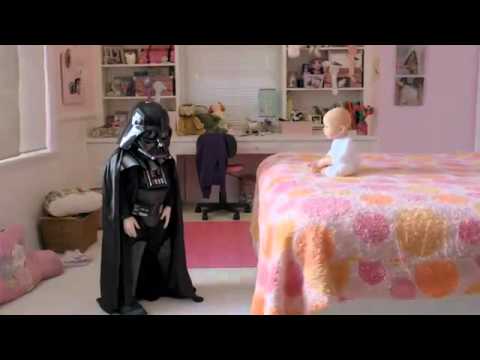
The Force
Tells a wordless story through a child's eyes behind a mask, with failure after failure building to one apparent triumph any culture can read.
-
Heaven and HellSamsonite2011
Heaven and Hell
A single frieze, sculpted like a classical stone relief, tells two parallel stories of passengers in heaven and luggage in hell.
-
 2011
Break Up
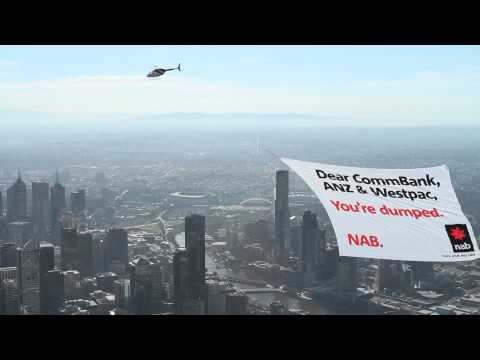
Dramatises a fee cut as a public break-up, from a seemingly mistaken tweet and staged split-ups to a farewell letter to the other banks.
-
For those who care about showing they care.John Lewis2010
A Tribute to Givers
Short vignettes of hiding, wrapping and smuggling presents add up to a portrait of the giver.
-
 2010
Selinah
Running the footage backwards creates a twist: what seems to be a decline is revealed at the end to have been a recovery.
-
 2010
Parisian Love
Tells a love story entirely through typed searches, from studying abroad in Paris to impressing a French girl and finally assembling a cot.
-
 2010
Write the Future
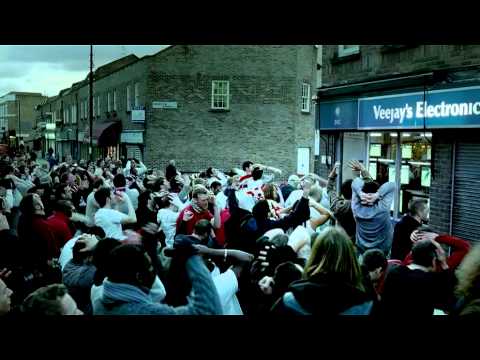
Branches a single touch of the ball into alternate futures of national glory or disgrace, making consequence itself the drama.
2000s
-
The FeelingJohn Lewis2009
The Feeling
The closing morph from girl to woman ties the childhood scenes to the adult viewer in a single cut.
-
 2009
COW ("Only Stwpd Cowz Txt N Drive")
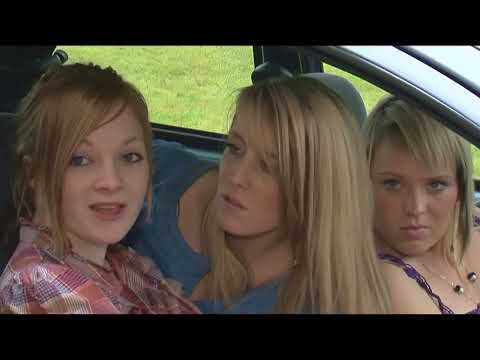
A drama follows one teenage driver whose single text causes a crash that kills four people, letting the consequences unfold as a story.
-
 2006
Happiness Factory
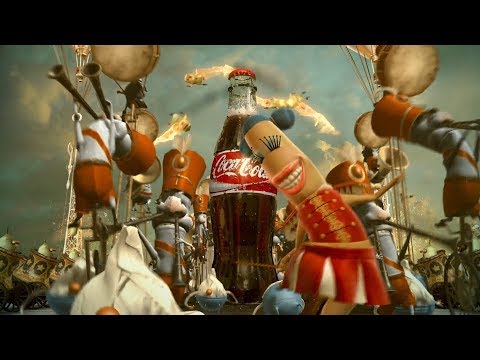
Follows a coin into a vending machine and the bottle's journey through an animated kingdom of creatures that ferry, cap, kiss and chill it.
-
 2005
Love Story
Unfolds a four-episode soap opera in which a tomboy's love, rejection and skincare makeover end with the twist that her best friend loved her all along.
-
 2005
Not Even Once ("Just Once")
A girl's repeated promise of doing things just once escalates scene by scene until her little sister makes the same vow.
-
 2005
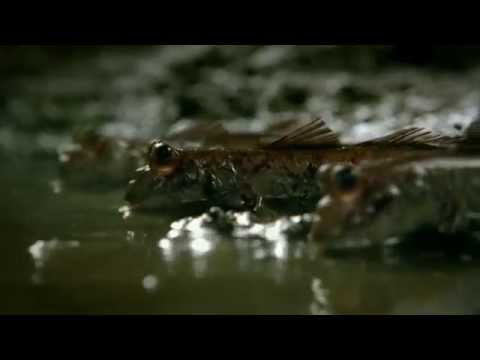
noitulovE
Reverses time as three drinkers de-evolve through ice ages and dinosaurs to primordial ooze, making the brand's patience line literal on an epic scale.
-
I Love BeesMicrosoft / Bungie (Halo 2)2004
I Love Bees
Answering the phones unlocks instalments of a radio-style drama about an alien army threatening Earth, scattered across websites and the physical world.
-
 2003
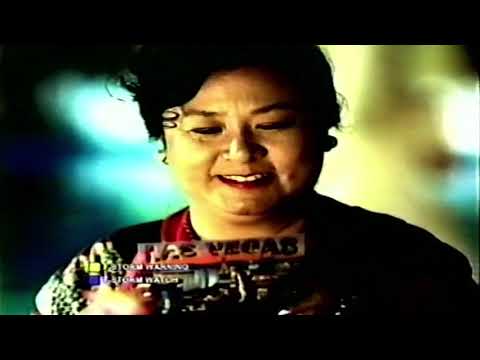
What Happens Here, Stays Here
Its vignettes hint at the secrets visitors carry home without ever showing a casino, letting implied stories do the selling.
-
 2002
Lamp
A woman discards her old lamp for a new one in a melancholy mini-drama whose twist turns the guilt of replacing furniture into the brand's argument.
-
 2002
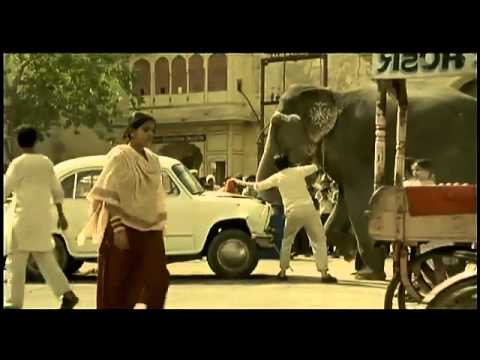
The Sculptor
A young man smitten with a print ad reshapes his boxy old car into a 206, a quest showing the car is wanted enough to sculpt by hand.
-
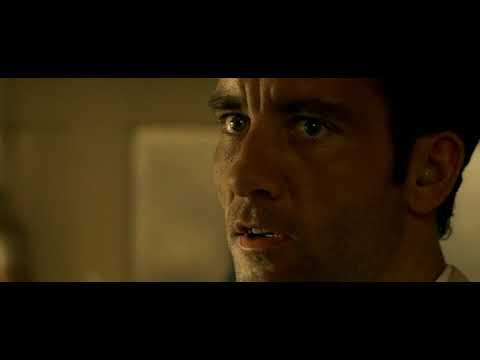 2001
BMW Films: The Hire
Eight genuine short films by leading directors follow a mysterious Driver, putting entertainment first and distributing it by pull rather than interruption.
1990s
-
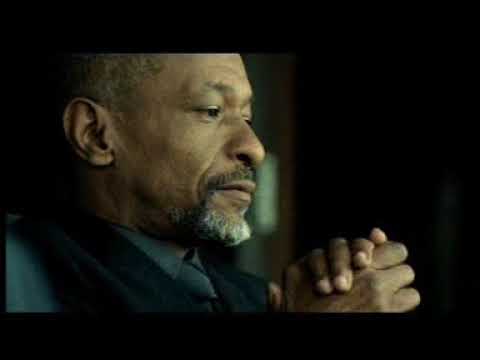 1999
Michael Power
Each episode runs as a mini-adventure in which the hero foils villains and saves the day before unwinding with a Guinness.
-
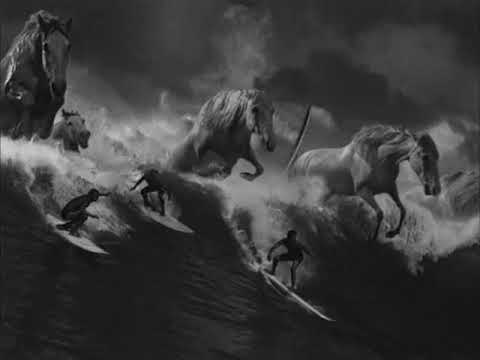 1999
Surfer
A surfer waits out the ocean and then rides a wave that erupts into white horses, a parable whose payoff rewards patience.
-
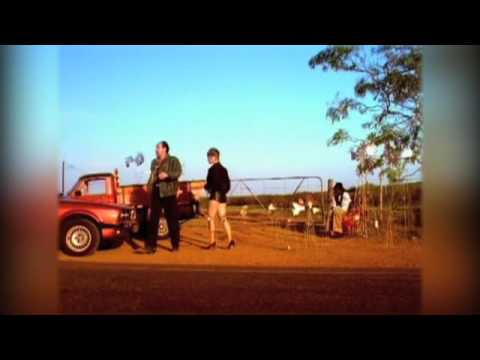 1994
Yebo Gogo (Windmills)
A roadside haggle turns when the yuppie locks his keys in the car and the unflappable vendor calmly produces a Vodacom phone.
-
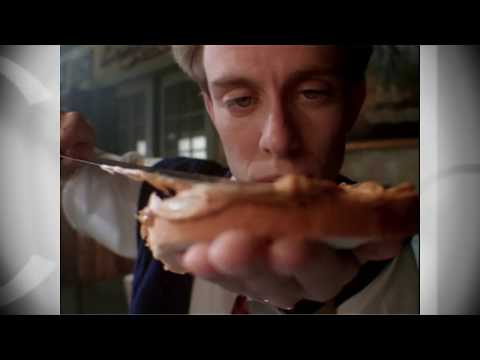 1993
Aaron Burr (got milk?)
The plot builds towards a radio quiz prize and then strands its hero, dramatising the insight that people notice milk only when it runs out.
-
 1991
Heritage Minutes
Each minute dramatises a moment from Canadian history, such as a surgeon mapping a patient's brain, with characters and a payoff rather than a lecture.
-
 1990
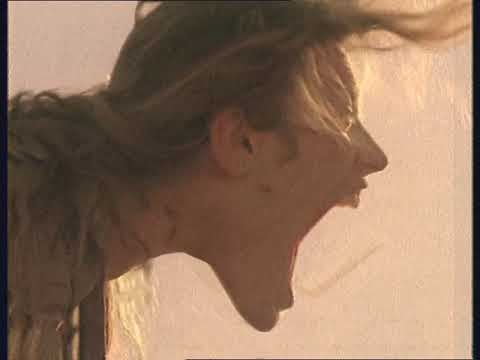
Le Lion (La Lionne)
A woman and a lion face off over one bottle on an African hilltop, a reversed Beauty and the Beast that she wins with a primal cry.
1980s
-
 1989
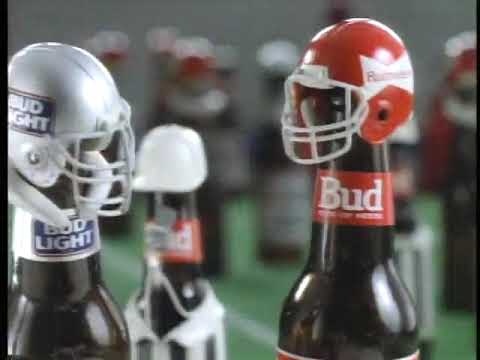
Bud Bowl
Six stop-motion spots spread through the broadcast tell one continuing football game between beer bottles, so viewers follow it from pregame to the final quarter.
-
 1988
Christmas Express (Hometown Express X'mas)
A girl waits on a night platform, the crowd disperses and her boyfriend seems absent, until he moonwalks out from behind a pillar with a gift.
-
 1987
O Primeiro Sutiã (My First Bra)
Ninety seconds follow one girl through a rite of passage, ending on a line that ties the brand to a first you never forget.
-
The best part of wakin’ up is Folgers in your cup.Folgers1986
Peter Comes Home for Christmas
A surprise homecoming in a sleeping house, with the coffee’s aroma as the device that wakes everyone.
-
 1984
1984
Stages the launch as a short dystopian film whose climax shatters Big Brother, mentioning no features and showing no product in use.
-
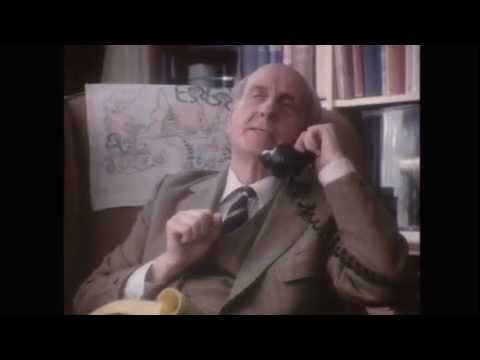 1983
J.R. Hartley ("Fly Fishing")
An elderly man fails to find a fly-fishing book in shop after shop until the directory locates a copy, and the twist reveals he wrote it.
-
 1981
Myriam ("Le 2 septembre, j'enlève le haut")
A teaser in three instalments, with a model promising to undress and then doing so, builds suspense towards a payoff naming the advertiser.
1970s
-
 1979
Hey Kid, Catch! ("Mean Joe Greene")
A scowling, limping star accepts a Coke from a young fan, drains it and repays him with his jersey, a complete character reversal.
-
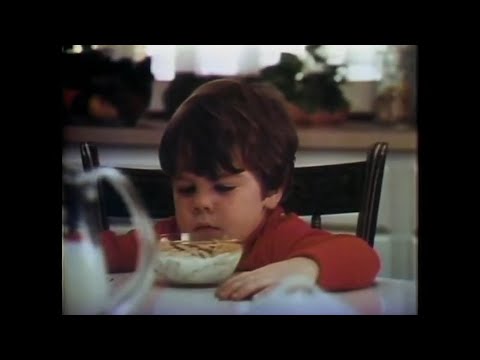 1972
Three Brothers ("Mikey Likes It")
Two boys too wary to try a healthy cereal test it on their little brother who hates everything, and his surprising approval is the payoff.
1960s
1950s
1940s
-
 1944
Longing Won't Bring Him Back Sooner... Get a War Job!
Letters, a service flag and a faraway look tell the whole story of a separated couple without a word of explanation.
-
 1943
Above and Beyond the Call of Duty
The caption and the burning ships compress a true act of courage into a single portrait.
-
The Four Freedoms postersOffice of War Information (US)1943
The Four Freedoms posters
Each painting is a moment from an ordinary life, inviting the viewer to imagine what losing it would mean.
-
 1941
Keep Mum – She's Not So Dumb!
The scene implies its own plot: officers showing off to a woman they assume is harmless, and the secrets that follow.
1930s
1920s
-
 1926
They Laughed When I Sat Down at the Piano
The headline stages a guest jeered at the piano who then silences the room, with long copy paying off the reversal.
-
 1925
Often a Bridesmaid but Never a Bride
The sad tale of Edna, nearing thirty and never a bride, dramatises the problem before the cure is offered.
1910s

1900s
Questions people ask
What is storytelling in advertising?
Storytelling in advertising means persuading through a narrative instead of a direct claim: an ad with characters, a problem, a turn and a payoff, in which the brand plays a part in the plot. Well-known examples include Coca-Cola's "Hey Kid, Catch!" (1979) and Google's "Reunion" (2013).
Why is storytelling effective in advertising?
Stories absorb people, a state psychologists call narrative transportation. A 2014 meta-analysis of 76 articles found that transportation is linked to stronger emotions, more favourable attitudes and intentions, and fewer critical thoughts about the message.
What are the best examples of storytelling in advertising?
Frequently studied examples include Coca-Cola's "Hey Kid, Catch!" (1979), Yellow Pages' "J.R. Hartley" (1983), Apple's "1984", Google's "Reunion" (2013), Thai Life Insurance's "Unsung Hero" (2014) and John Lewis's "Monty the Penguin" (2014).
What is the five-act structure in advertising?
It is the classic dramatic form of exposition, rising action, climax, falling action and resolution. A Johns Hopkins study of 108 Super Bowl commercials found that ads telling all five acts were rated higher by viewers, and that ratings rose with each act an ad contained.
Can you tell a story in a 30-second ad?
Yes. Keith Quesenberry, who studied two years of Super Bowl commercials, described Budweiser's story spots as whole movies crunched into 30 seconds, and his research found that ads with a complete plot were rated higher than ads without one.
Do storytelling ads increase sales?
They can, when the brand is essential to the story. John Lewis's "Monty the Penguin" (2014) was credited with £141m in incremental revenue, and Yellow Pages' "J.R. Hartley" (1983) lifted the share of non-emergency enquiries to the directory from 6% to 20%.
Sources5
- The role of transportation in the persuasiveness of public narratives
- The Extended Transportation-Imagery Model: A Meta-Analysis of the Antecedents and Consequences of Consumers' Narrative Transportation
- What Makes a Super Bowl Ad Super? Five-Act Dramatic Form Affects Consumer Super Bowl Advertising Ratings
- Super Bowl ads: Stories beat sex and humor, Johns Hopkins researcher finds
- Advertising the American Dream: Making Way for Modernity, 1920–1940