Technique
Bandwagon
Ads that suggest everyone is already doing it, so you should too: mass participation, social proof and the fear of missing out.
All ads
-
 2016
2016Spotify Wrapped
Hundreds of millions of people posting their results at once fill social feeds, making taking part feel like something everyone is doing.
-
 2009
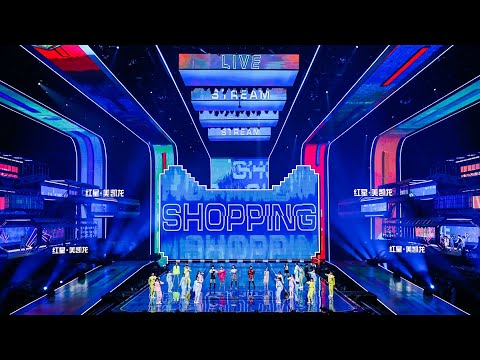
2009Singles' Day (11.11)
Turns one date into a mass shopping event, publishing ever-larger sales totals until rivals end up running their own versions.
-
 2007
2007Earth Hour
Draws its power from mobilisation, as famous landmarks go dark and the event grows each year across countries and cities.
-
 1989
1989Face
Thousands of people assemble into one smiling face while the voiceover counts millions brought together, literally picturing the claim to be the world's favourite.
-
 1915
1915Women of Britain Say – ‘Go!’
The headline speaks for all the women of Britain at once, implying a national consensus that the reluctant recruit is defying.
Bandwagon: how it works
The bandwagon technique persuades by suggesting that everyone, or everyone like you, is already on board. It is one of the seven propaganda devices popularised by the Institute for Propaganda Analysis in the late 1930s, and it is still taught as a way to read advertising critically.
How to spot it
- Crowds, popularity claims, "join millions" language or a sense of a movement.
- Campaigns built so that taking part is itself the message, and the number of people taking part becomes the proof.
- A phrase or ritual that spreads because people want to be part of it.
Why it works
People look to others when deciding what to do, especially when they are unsure. Modern campaigns often go further than claiming popularity: they create real participation and let the crowd become the ad.