Technique
Pathos
Ads that persuade through emotion: they make you feel something, then attach that feeling to a brand or a cause.
2020s
-
 2023
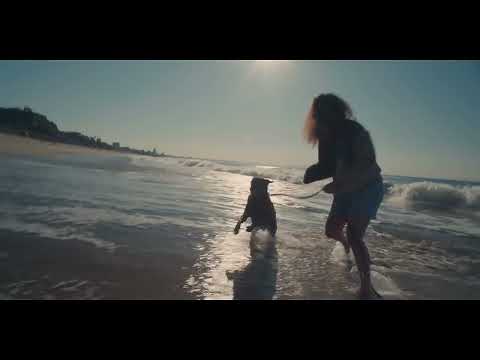
2023Forever
It plays on every owner's dread of losing a dog, then withholds that ending so the feeling becomes hope for more years together.
-
 2022
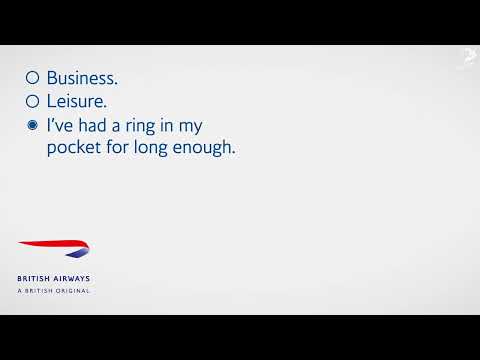
2022A British Original
Ticked reasons such as still loving someone sell the human feelings behind a journey rather than the planes that make it.
-
 2021
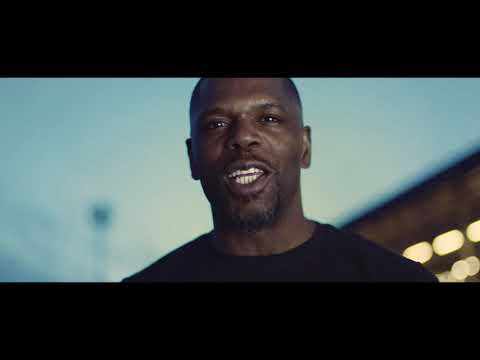
2021Long Live the Prince
Ageing a stabbed academy prospect to 30, the age he would have reached, lets fans feel the footballing life that knife crime cut short.
-
 2021
2021Reverse Selfie
Rewinding a polished selfie edit by edit until a girl barely into her teens appears turns everyday retouching into a jolt of concern.
-
 2021
2021The Lost Class
Stages a graduation before thousands of empty chairs, one for each student killed by a gun who should have graduated that year.
-
 2020
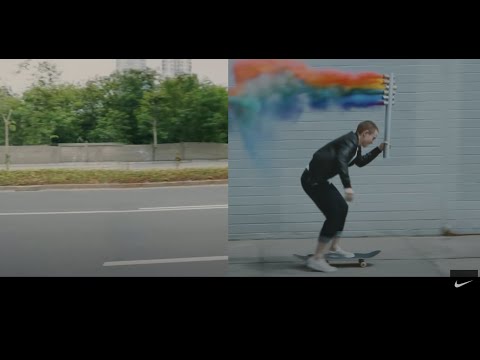
2020You Can't Stop Us
Split-screen pairs of elite and everyday athletes merge into one body, stirring a feeling of togetherness that the narrated manifesto attaches to sport and Nike.
-
 2020
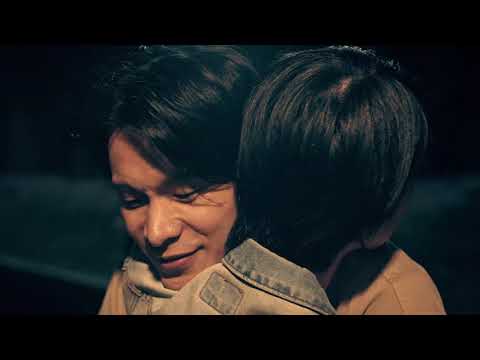
2020In Love We Trust
Rather than selling homes, it moves viewers with tenderness about lasting love, attaching to the brand the trust that leads couples to set up home.
-
 2020
2020Courage Is Beautiful
Close-up portraits of doctors and nurses, faces marked by long shifts in protective gear, ask viewers to feel the cost of their courage.
2010s
-
 2019
2019We All Win
Children with limited mobility describe what gaming gives them, letting their own words and play carry the emotion.
-
 2018
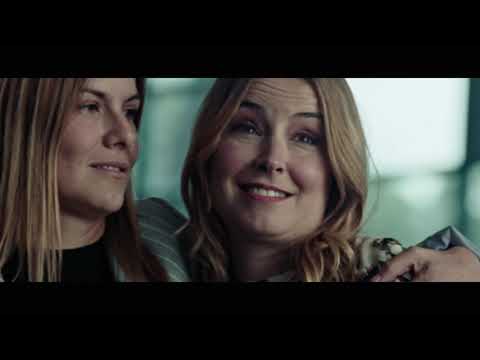
2018Tenemos que vernos más ("We Have to See More of Each Other")
Real friends and relatives learn how little time they statistically have left together, a painful realisation that drives home the plea to see more of each other.
-
 2017
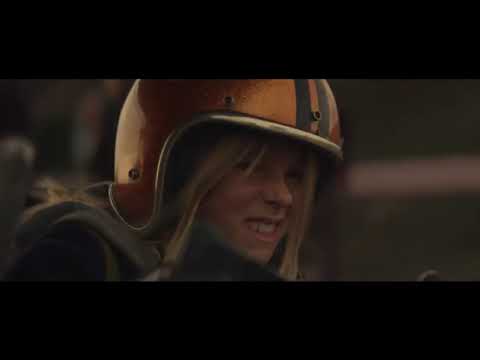
2017Daughter
A father's anxious voiceover about how the world will value his daughter turns a soapbox race into an emotional plea.
-
 2017
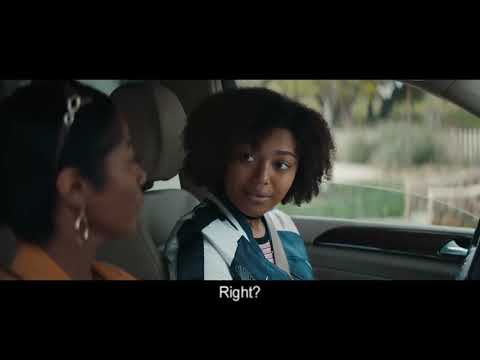
2017The Talk
A mother's warning that being pulled over is about coming home, not a ticket, makes the fear Black parents carry painfully felt.
-
 2016
2016Dads #ShareTheLoad
A father's voiceover apology to his married daughter for the example he set turns the issue into a moment of tender regret.
-
 2016
2016Marriage Market Takeover
Intimate conversations between unmarried women and their parents about marriage pressure carry the film's emotional weight, framed as documentary rather than beauty advertising.
-
 2016
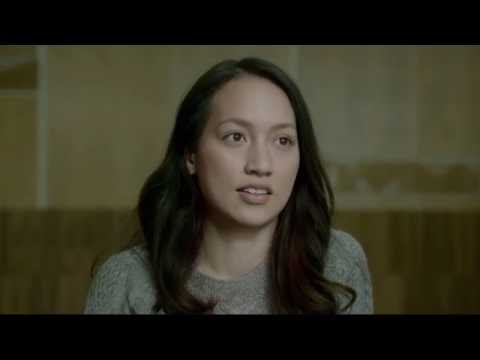
2016The DNA Journey
Participants' surprise as DNA results upend their views, including two who discover they are distant cousins, gives the film its emotional charge.
-
 2015
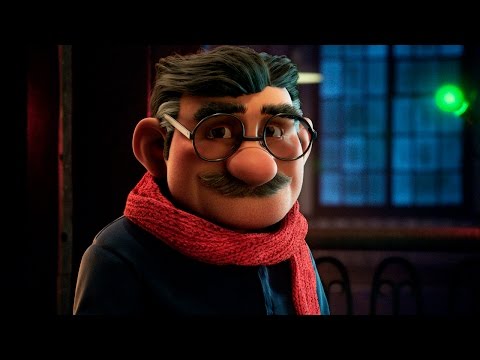
2015Justino
Carries the lottery's message that sharing is the biggest prize through warmth and tenderness rather than any fantasy of winning.
-
 2015
2015#heimkommen ("Coming Home")
The film confronts the loneliness of an elderly father left alone each Christmas, a painful truth that gives the family reunion its emotional force.
-
 2015
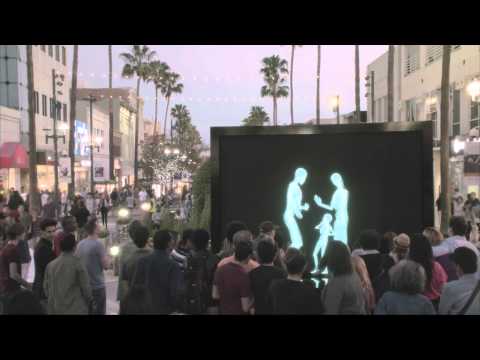
2015Love Has No Labels
Staged on Valentine's Day, skeletons kissing, hugging and dancing step out as loving couples of every kind, making affection the argument against prejudice.
-
 2014
2014Puppy Love
Puppies, horses and a single song with no dialogue are there to stir affection, which the brand then attaches to itself.
-
 2014
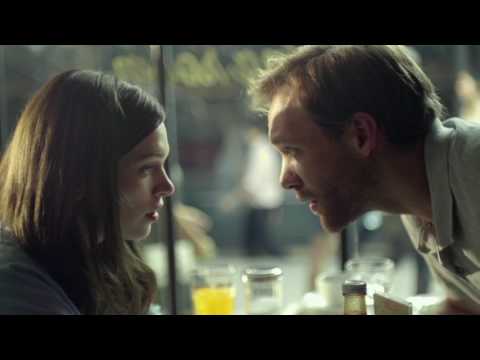
2014The Big Leap
Turns a man's nervous wait for a first kiss into a literal plunge into the void, tying the brand to the emotional courage of love.
-
 2014
2014Unsung Hero
Builds to a tearful reveal that a penniless man's small kindnesses have changed lives, so an insurer sells the value of a life rather than a policy.
-
 2014
2014Monty the Penguin
Tugs at Christmas sentiment through a boy's tender bond with his lonely penguin, attaching that warmth to giving someone the perfect gift.
-
 2014
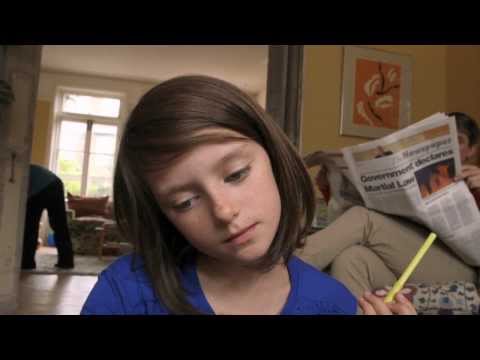
2014Most Shocking Second a Day
Following a British girl from one birthday to the next, through air strikes and flight, makes a distant war feel close to the viewer's own family.
-
 2013
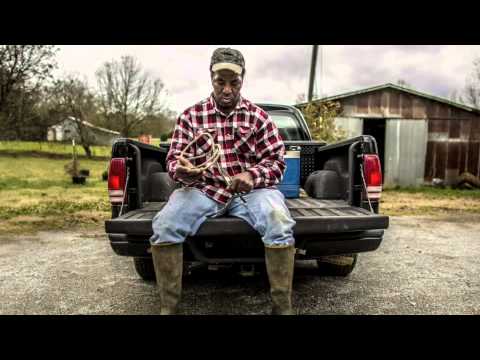
2013Farmer
Paul Harvey's reverent recording over quiet farm images stirs admiration and pride without the brand name ever being spoken.
-
 2013
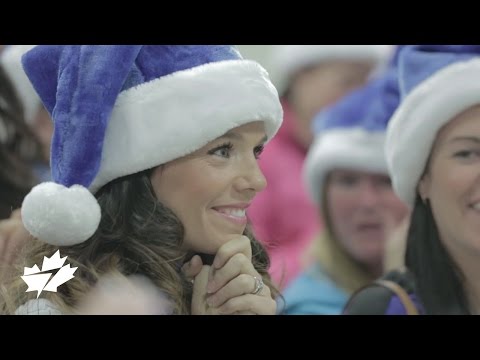
2013Christmas Miracle: Real-time Giving
Passengers' delight as the gifts they asked a virtual Santa for come round on the baggage carousel turns a stressful travel season into a feel-good moment.
-
 2013
2013Reunion
Setting the story in Partition, which still stirs strong feelings, gives the reunion of two elderly friends across the border its emotional force.
-
 2013
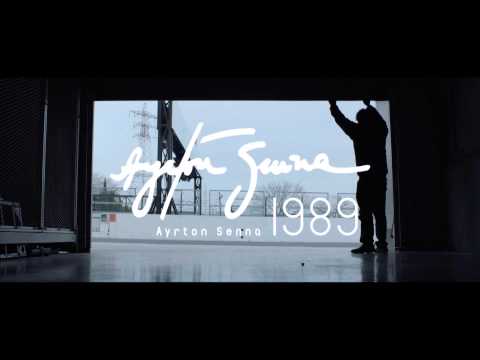
2013Sound of Honda / Ayrton Senna 1989
Speakers and lights along the circuit replay the lap as moving sound and light, turning raw telemetry into an emotional ghost of a legend.
-
 2013
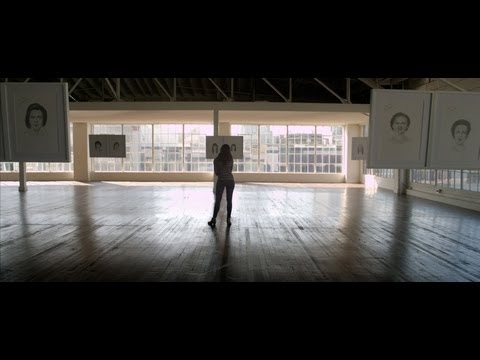
2013Real Beauty Sketches
Women confronting the gap between their own harsh self-descriptions and a stranger's kinder view of them make the tagline land emotionally.
-
 2013
2013Magic of Flying (#lookup)
A child on screen stands and points at the sky, making the everyday sight of a passing plane feel magical again.
-
 2013
2013Only for Children
Adults see a child's face and a line about hidden abuse, while children see the same face bruised and bleeding, making the danger viscerally felt.
-
 2013
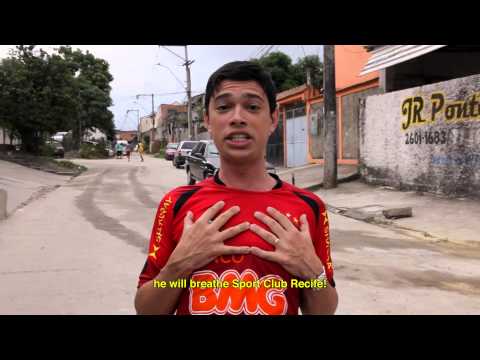
2013Immortal Fans
Patients on transplant lists promise fans that their eyes will keep watching the team and their hearts keep beating for it.
-
 2013
2013Small World Machines
Creates a shared, hopeful moment between people across one of the world's most hostile borders, who can look each other in the eye.
-
 2012
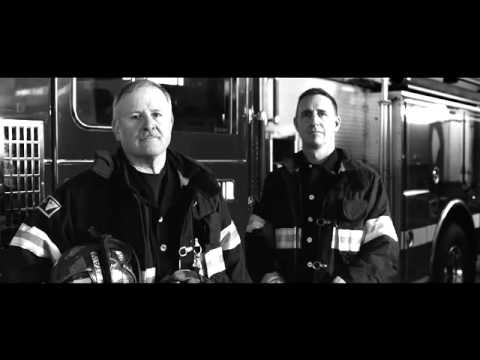
2012Halftime in America
Scenes of people out of work and hurting build a mood of hardship and defiance before any brand appears.
-
 2012
2012Meet the Superhumans
Set to Public Enemy, its power, speed and swagger stir awe and excitement for the Games instead of pity.
-
 2012
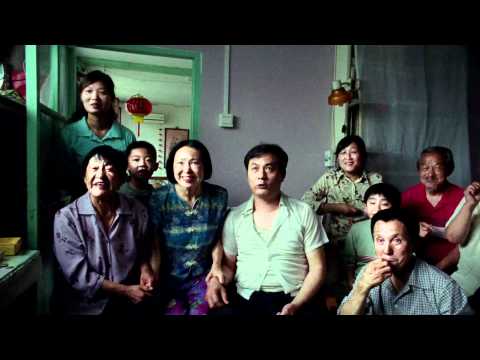
2012Best Job ("Thank You, Mom")
Honours the mothers behind Olympic athletes, waking, driving, washing and worrying, so the gratitude of the final moment attaches to P&G.
-
 2012
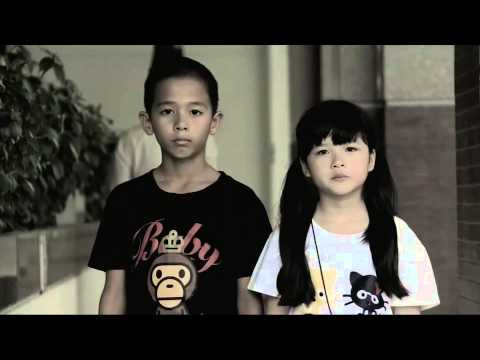
2012Smoking Kid
Small children's note asking why smokers worry about them but not themselves turns the adults' own lectures into a guilty, personal warning.
-
Coke HandsCoca-Cola2012
Coke Hands
One hand passing a bottle to another makes the drink a simple gesture of sharing, letting that feeling, rather than any claim, do the selling.
-
 2012
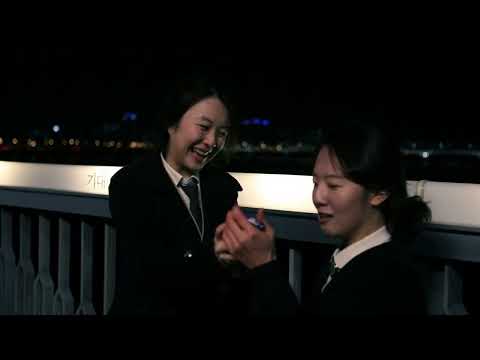
2012Bridge of Life
Offers short, kind messages to anyone on the bridge, aiming comfort directly at people who may be in despair.
-
 2011
2011Cómicos
Answers a country weighed down by bad news with a gathering of comedians determined to find the bright side, tying the brand to the national mood.
-
 2010
2010Embrace Life
Wordless and tender, it moves viewers through family love rather than gore, deliberately rejecting the shock tactics common in road-safety advertising.
-
 2010
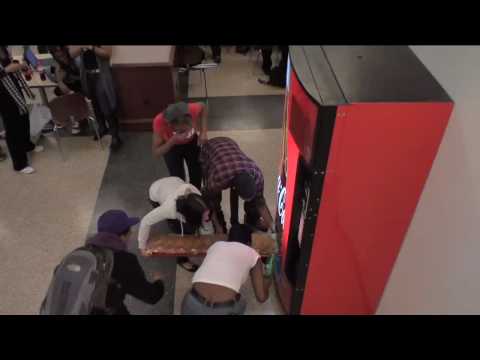
2010Happiness Machine
Students' unscripted delight as a vending machine hands out extra bottles, flowers, pizza and a giant sandwich attaches pure joy to the brand.
-
 2010
2010The Wilderness Downtown
Mixing Street View imagery of the viewer's own childhood street into the film turns a music video into a personal, nostalgic return home.
-
 2010
2010Operation Christmas
Targets fighters at the time of year they are most emotionally sensitive, with lit trees urging them to come home.
-
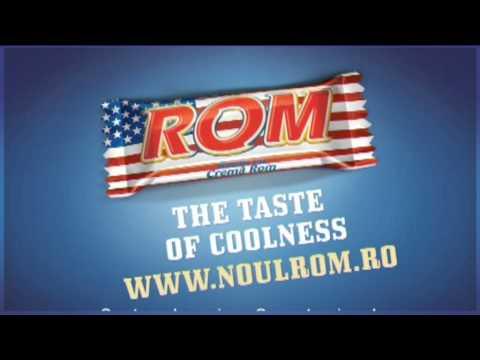 2010
2010The American Takeover
Stirs national pride in a disillusioned generation by threatening something they took for granted, rather than lecturing them about patriotism.
2000s
-
Kitto, sakura saku yo.Kit Kat (Nestlé Japan)2009
Kit Kat Mail
Builds on the bar's status as a good-luck charm, so posting one to an exam candidate becomes a warm gesture of encouragement.
-
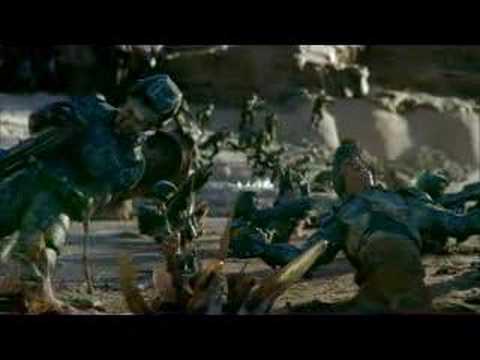 2007
2007Believe ("Diorama")
A slow drift across exhausted soldiers on a frozen battlefield, set to Chopin, sells duty and sacrifice rather than gameplay or graphics.
-
 2007
2007Gorilla
Offers no product message at all, only the joy of a gorilla drumming, trusting viewers to carry that feeling over to the chocolate brand.
-
 2006
2006Bienvenido a la república independiente de tu casa
Casts the home as a family's own republic with an anthem, a flag and laws that change on a whim, appealing to how deeply people cherish home.
-
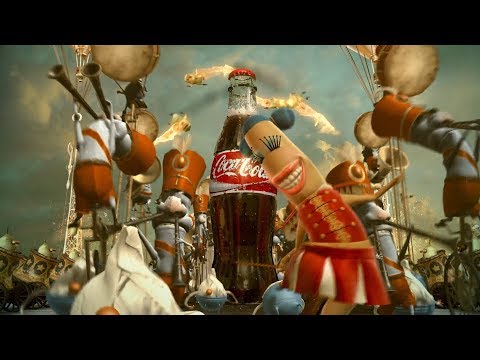 2006
2006Happiness Factory
Turns buying a Coke into a burst of whimsical delight, with creatures firing themselves from cannons in celebration, linking the drink to happiness.
-
 2003
2003Boy and Pug (You and I)
Sells network coverage with no technology on screen, through a pug's devoted companionship as it trots after a small boy wherever he goes.
-
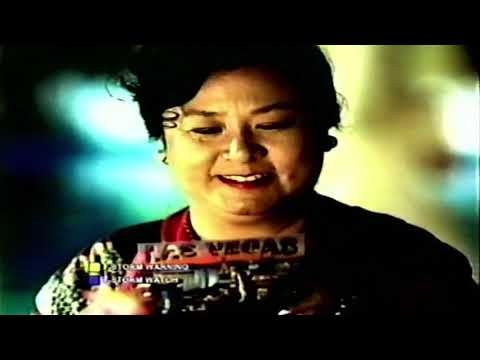 2003
2003What Happens Here, Stays Here
Sells the thrill of adult freedom, the permission to be someone else for a weekend, rather than casinos or attractions.
-
 2003
2003iPod Silhouettes
Faceless dancing figures invite anyone to imagine themselves inside the outline, lost in their own music.
-
 2002
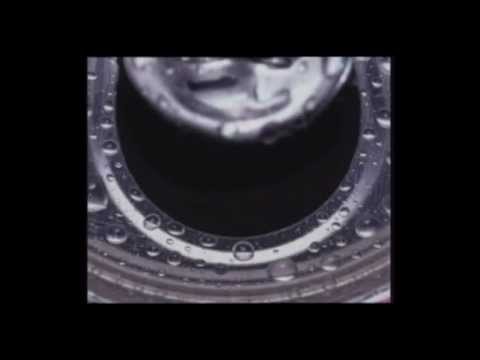
2002Para todos
Lists every kind of person the drink is for, from optimists to those who cry or have nothing, building a quietly moving sense that it belongs to everyone.
-
 2002
2002Respect
Clydesdales bowing towards the space where the towers stood channel a nation's grief, with the logo held back until the very end.
-
 2002
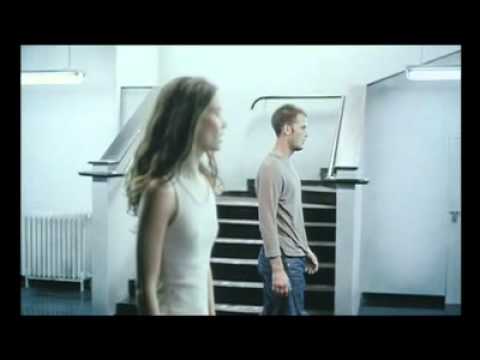
2002Odyssey
Sends a couple sprinting through wall after wall and up into the night sky, turning the jeans into an exhilarating feeling of freedom from constraint.
-
 2000
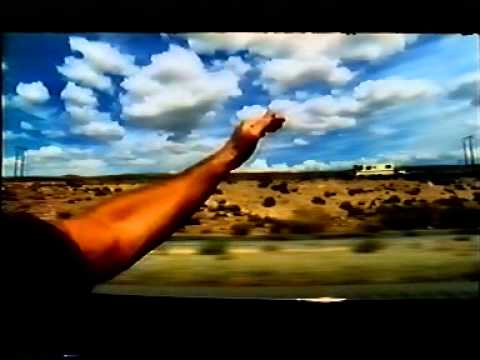
2000Mano (¿Te gusta conducir?)
Shows only a driver's hand playing with the wind from dawn to a seaside sunset, selling the simple pleasure of driving instead of specifications.
1990s
-
 1999
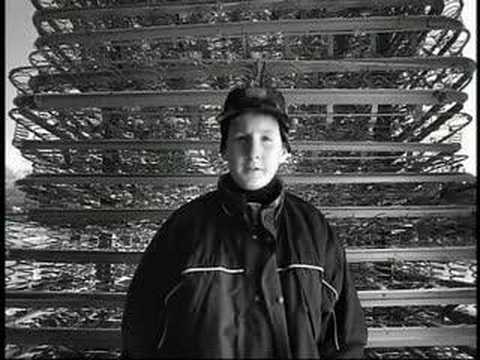
1999When I Grow Up
The gap between childhood dreams and adult resignation stirs uncomfortable recognition, selling the job site by dramatising the pain it solves.
-
 1997
1997Priceless
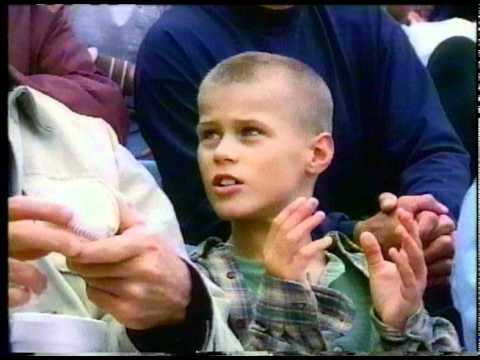
Tallies the price of tickets and hot dogs, then sets a father-and-son conversation beyond price, attaching the card to feelings money cannot buy.
-
 1996
1996Mamíferos
Toddlers in baby-animal costumes playing before the camera make a commodity milk endearing, aimed squarely at winning children's affection.
-
 1994
1994Cricket (Kuch Khaas Hai)
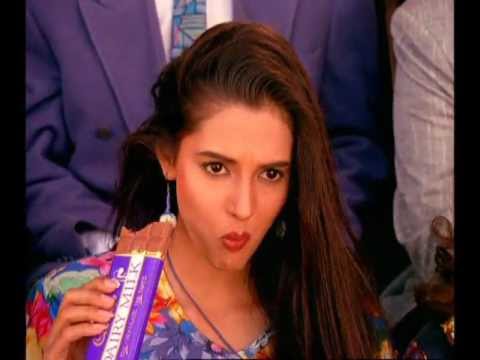
A young woman's awkward, euphoric dance across the pitch after the winning six ties the chocolate to unguarded joy and the kid in everyone.
-
United Colors of Benetton.United Colors of Benetton1991
New Born Baby ("Giusy")
Presented as a celebration of life, the raw image of birth provokes strong feelings that attach to the brand.
-
 1990
1990Le Lion (La Lionne)
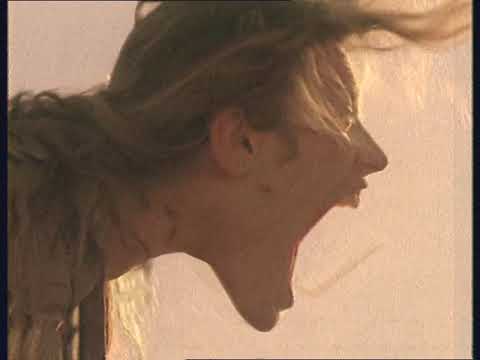
Sells the water through thirst, wildness and seduction rather than claims, making desire for the bottle almost animal.
1980s
-
 1989
1989Jeong
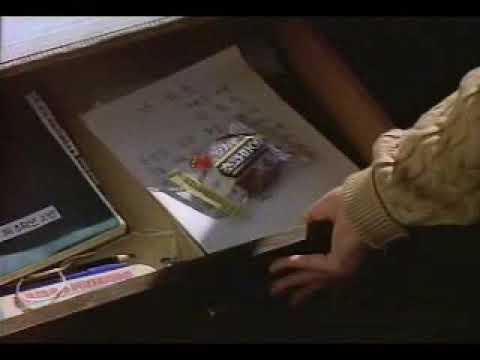
Shows the cakes quietly passed between pupils, teachers, relatives and neighbours, making the snack a token of warm, unspoken affection.
-
 1989
1989Face
A human face that becomes the globe sells warmth and togetherness rather than seats, with no aircraft shown until the very end.
-
 1988
1988Christmas Express (Hometown Express X'mas)
Sells the bullet train through longing, framing it as the thing that carries people to one another rather than a fast service.
-
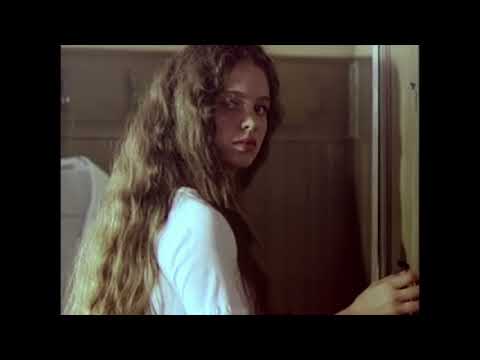 1987
1987O Primeiro Sutiã (My First Bra)
Captures the tender, awkward rite of a girl's first bra, including the moment she sees herself in it, with no sales pitch at all.
-
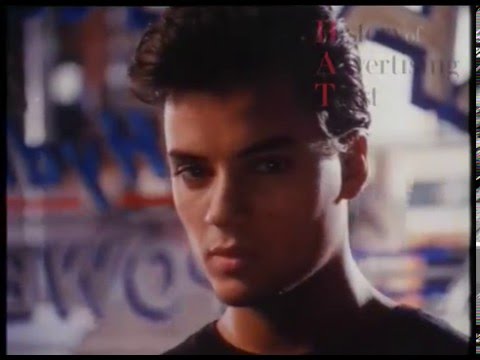 1985
1985Launderette
The gawping room and calm undressing make the jeans an object of desire, selling an identity rather than a pair of trousers.
-
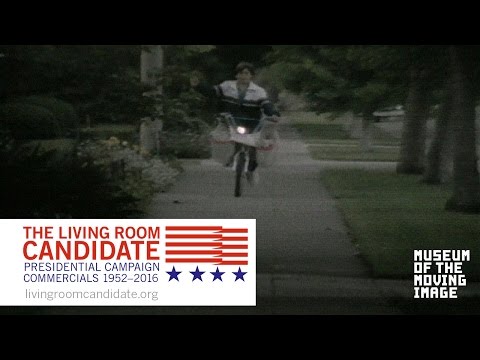 1984
1984Prouder, Stronger, Better ("Morning in America")
Golden footage of commuters and weddings under warm narration makes optimism and nostalgia the argument, while the opponent is only implied.
-
 1983
1983Friends Don't Let Friends Drive Drunk
It appeals to loyalty between friends, casting intervention as an act of friendship, and later spots add grief through stories of real people killed by drunk drivers.
-
 1983
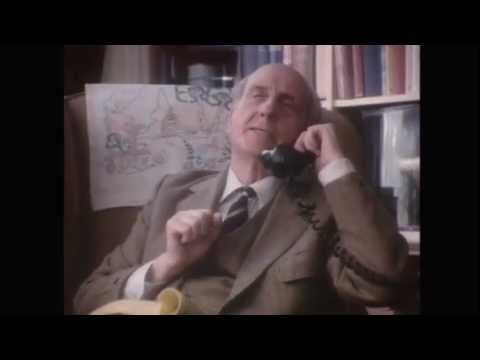
1983J.R. Hartley ("Fly Fishing")
Gentle warmth repositions a directory tied to blocked drains as a helper for the nice things in life.
1970s
-
 1979
1979Hey Kid, Catch! ("Mean Joe Greene")
A child's kindness melts the most feared lineman in football, attaching the drink to a moment of unexpected warmth.
-
 1975
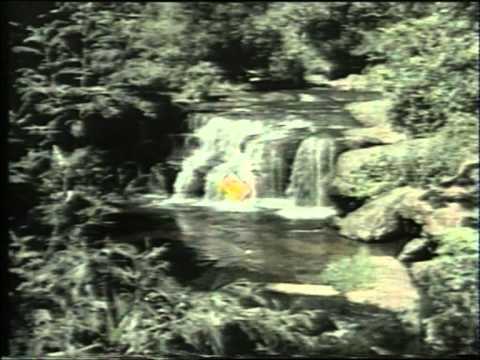
1975Liril Girl (Waterfall)
A woman splashing beneath a forest waterfall sells a few minutes of private escape, rather than the fairer skin rival soaps promised.
-
 1973
1973The Bike Ride ("Boy on the Bike")
A baker's boy pushing his bike up a cobbled hill, then freewheeling home to brass-band music, sells bread through warm, manufactured nostalgia.
-
 1971
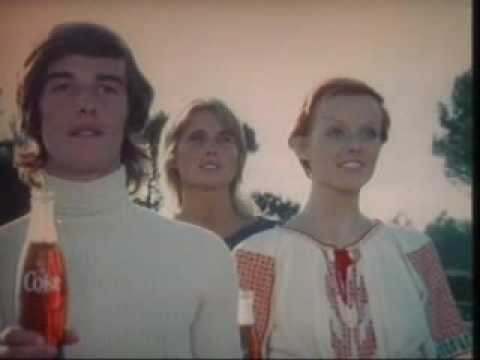
1971Hilltop ("I'd Like to Buy the World a Coke")
Young people from around the world gather on a hillside holding bottles, attaching a feeling of unity and harmony to the drink.
-
 1971
1971Because I'm Worth It
Reframes the purchase as an act of self-respect, appealing to a woman's pride in herself rather than to male approval.
-
 1971
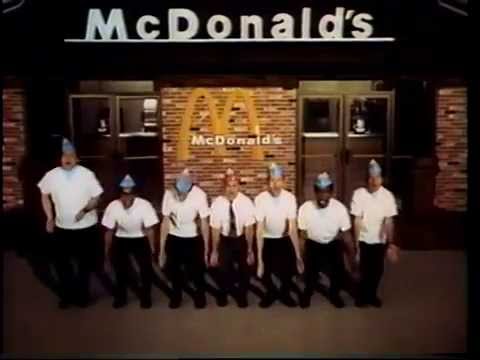
1971You Deserve a Break Today
Sells a burger stop as a small act of self-kindness for overworked families, offering the feeling of deserving rather than the food.
-
 1971
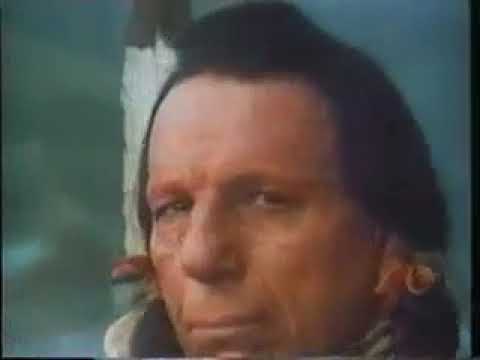
1971The Crying Indian ("People Start Pollution. People Can Stop It.")
A single tear on the face of a man paddling through industrial waste compresses guilt and sorrow into one wordless close-up.
1960s
1950s
1940s
-
A diamond is forever.De Beers1947
A Diamond Is Forever
Four words fuse a diamond with eternal commitment, attaching the emotion of lasting love to the engagement ring.
-
 1943
1943We Can Do It!
Upbeat pride and determination were meant to lift factory morale, and later audiences reread the same emotion as female empowerment.
-
 1942
1942Is Your Journey Really Necessary?
A direct question with 'really' picked out in colour makes travellers stop, examine their motives and feel a little guilty.
-
 1941
1941Join the ATS ("The Blonde Bombshell")
A glamorous stylised profile in the new cap sells service through aspiration and allure rather than duty, which is exactly what Parliament objected to.
1930s
-
 1939
1939Dig for Victory
Children's faces and the line 'For their sake' tie a vegetable patch to protecting the next generation.
-
 1939
1939Keep Calm and Carry On
Its quiet promise of steadiness speaks to fear without naming it, which helped it find an audience six decades after it was printed.
-
All Roads Lead to SwitzerlandSwiss National Tourist Office1935
All Roads Lead to Switzerland
A road sweeping away from the viewer and up hairpin bends towards snowy summits invites motorists to feel the pull of the journey.
-
NormandieCompagnie Générale Transatlantique (French Line)1935
Normandie
A low, head-on view makes the liner's black hull tower like a monument, selling awe at its size, power and calm instead of facts.
-
Santa Claus (Haddon Sundblom's Coca-Cola Santas)Coca-Cola1931
Santa Claus (Haddon Sundblom's Coca-Cola Santas)
A plump, rosy-cheeked, grandfatherly Santa radiates warmth and wholesomeness, linking the drink to the comfort of Christmas.
1920s
-
 1929
1929The Pause That Refreshes
The drink is framed as a small daily ritual of restoration, offering relief just when everything else feels unaffordable.
-
Nord ExpressNord Express (Compagnie Internationale des Wagons-Lits and partner railways)1927
Nord Express
A towering locomotive seen from track level, with lines racing to a vanishing point, sells the glamour and speed of the journey rather than its timetable.
-
 1926
1926They Laughed When I Sat Down at the Piano
Readers are invited to feel the sting of humiliation and then the triumph of the underdog that the lessons promise.
-
 1923
1923Somewhere West of Laramie
Breathless prose and a roadster racing a rider on horseback sell youth, speed and open country instead of engine or price.
1910s
-
 1918
1918If Ye Break Faith – We Shall Not Sleep (Buy Victory Bonds)
A lone soldier bowed over a grave among poppies makes buying bonds feel like keeping faith with the fallen.
-
 1917
1917Fate tutti il vostro dovere! (Fourth National War Loan)
A soldier springing from the trenches asks civilians to share his sacrifice, making a bank subscription feel like a patriotic duty.
-
_-_C._E._Chambers_LCCN2002720472.jpg/960px-Food_will_win_the_war_-_You_came_here_seeking_freedom,_now_you_must_help_to_preserve_it_-_Wheat_is_needed_for_the_allies_-_waste_nothing)_-_C._E._Chambers_LCCN2002720472.jpg) 1917
1917Food Will Win the War
Addressing newcomers in their own languages, it frames saving wheat as repaying the freedom they found, turning gratitude into a duty.
-
 1917
1917I Want You for the Navy
A flirtatious young woman in uniform turns the recruiting order into a personal invitation, selling Navy service to young men through desire.
-
 1917
1917It Is Nice in the Surf, but What About the Men in the Trenches?
A carefree swimmer is set against the unseen men in the trenches, so the viewer's own leisure becomes a source of guilt.
-
_On_les_aura_!_-_affiche_-_Abel_Faivre_-_btv1b9013991f.jpg/960px-2e_Emprunt_de_la_D%C3%A9fense_nationale._Souscrivez_(1916)_On_les_aura_!_-_affiche_-_Abel_Faivre_-_btv1b9013991f.jpg) 1916
1916On les aura! (Second National Defence Loan)
A young soldier surging forward with his arm raised turns buying a government bond into a share in his heroic charge.
-
 1915
1915Daddy, what did YOU do in the Great War?
A father's uneasy silence before his daughter's question turns enlistment into a matter of family shame and future regret.
-
 1915
1915Women of Britain Say – ‘Go!’
Women and a small boy watching soldiers march away cast women as needing protection while enlisting them to push their own men into uniform.
-
 1911
1911A Skin You Love to Touch
An elegant woman admired by a man in evening dress sells the romance the soap might win, not the soap itself.
1890s

Pathos: how it works
Pathos is the appeal to emotion, one of the three modes of persuasion Aristotle described alongside ethos (credibility) and logos (logic). A pathos ad doesn't argue; it makes you feel joy, nostalgia, pride, tenderness, sadness or anger, and lets that feeling do the selling.
How to spot it
- The ad tells you very little about the product but leaves you with a strong feeling.
- Music, faces, children, animals, family and moments of loss or reunion carry the message.
- The brand appears at the end, as the source of the feeling.
Why it works, and when it doesn't
Emotion is memorable and shareable, and feelings about a brand can outlast any single claim. The risk is a moving film that people remember while forgetting who made it, or an emotion that feels unearned. Each example below explains exactly how the ad uses emotion.