Technique
Shock and provocation
Ads that deliberately disturb, offend or provoke to win attention or force a conversation.
2020s
-
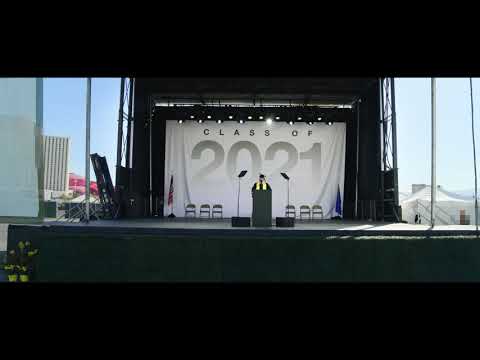 2021
2021The Lost Class
Tricks gun-rights figures into rehearsing a commencement speech for a school that does not exist, turning their own words into the message.
-
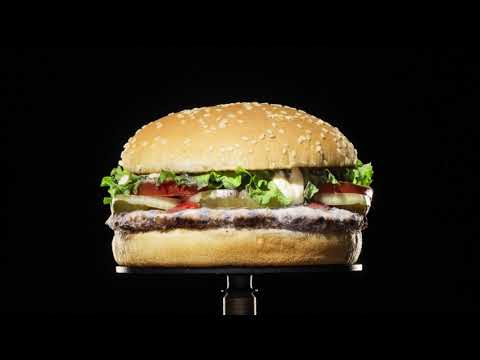 2020
2020Moldy Whopper
Deliberately making its flagship burger look disgusting, furred with mould, breaks fast-food convention to force people to stop and look.
2010s
-
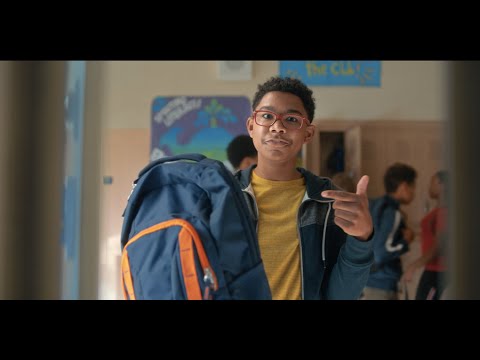 2019
2019Back-to-School Essentials
A cheerful back-to-school haul video curdles item by item into a school shooting, turning a banal format against viewers' complacency.
-
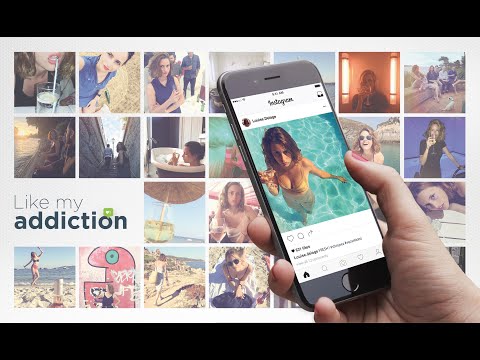 2016
2016Like My Addiction ("Louise Delage")
A reveal film races through an admired Instagrammer's whole feed, exposing that she was an alcoholic whose followers cheered her on without seeing it.
-
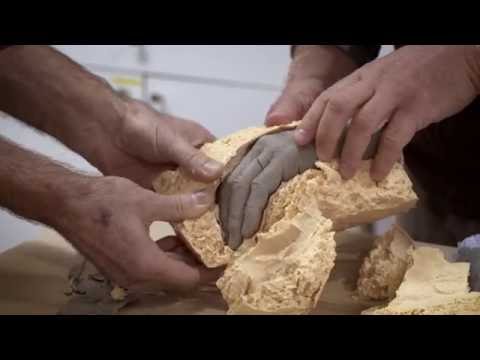 2016
2016Meet Graham
Confronts viewers with an uncomfortably lifelike body with no neck, no protruding nose or ears and airbag-like sacs between the ribs.
-
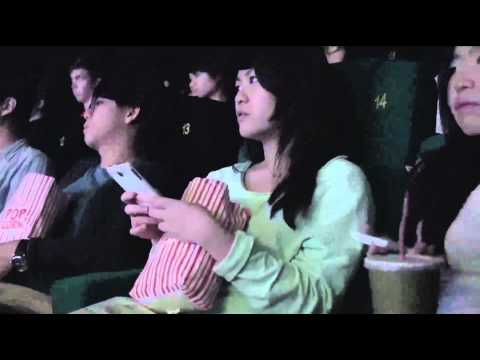 2014
2014Eyes on the Road
Jolts a relaxed cinema audience with a sudden crash during what looks like an ordinary pre-show ad.
-
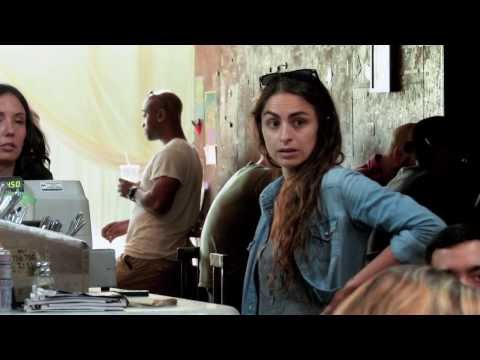 2013
2013Telekinetic Coffee Shop Surprise
Real coffee-shop customers recoil as a young woman appears to unleash telekinetic revenge, a staged public scare built to be shared.
-
 2012
2012Meet the Superhumans
Cuts without warning from training to a car crash, a warzone and a hospital, confronting viewers with the origins of disability before slamming back to sport.
-
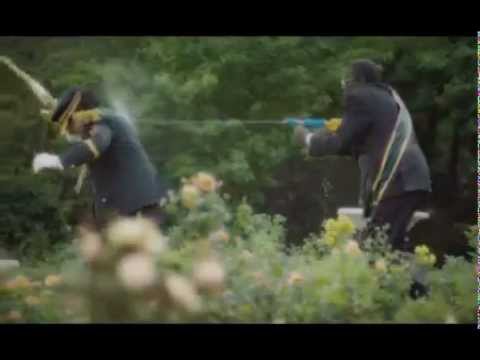 2011
2011Last Dictator Standing
Lampoons Mugabe and his fellow strongmen through lookalikes, a provocation risky enough to get the spot pulled from television after threats against staff.
-
 2011
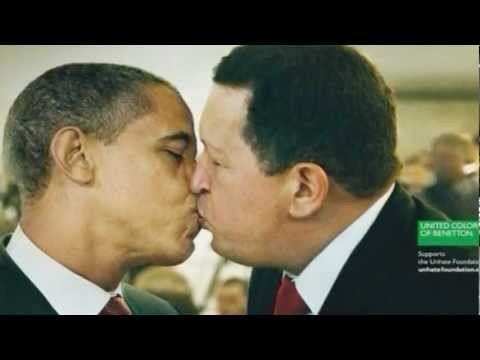
2011Unhate
Montages of world leaders kissing their adversaries, one pulled almost immediately, deliberately provoke outrage and debate to get the message noticed.
-
Be stupid.Diesel2010
Be Stupid
Photographs of reckless, cheeky stunts and blunt manifestos deliberately court controversy, enough for some posters to be banned.
-
 2010
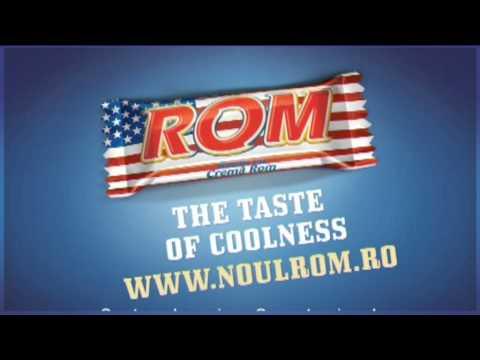
2010The American Takeover
Swaps the bar's familiar national-flag wrapper for the Stars and Stripes, deliberately provoking young Romanians into outrage.
2000s
-
 2009
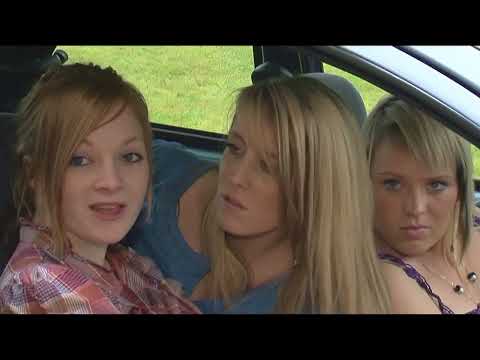
2009COW ("Only Stwpd Cowz Txt N Drive")
Lingering shots of a girl's head hitting a window and a baby's blank stare are deliberately graphic, built to jolt young drivers.
-
 2008
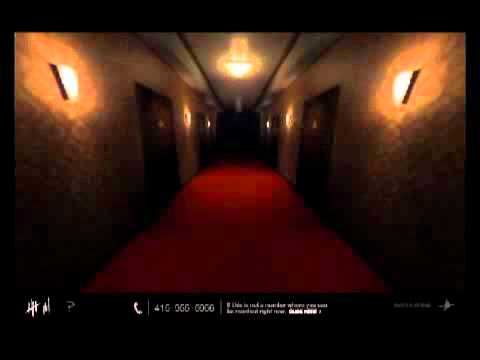
2008Hotel 626
Secretly snapping visitors through their webcam and showing the picture back in a madman's lair deliberately unnerves them, turning their own devices into horror props.
-
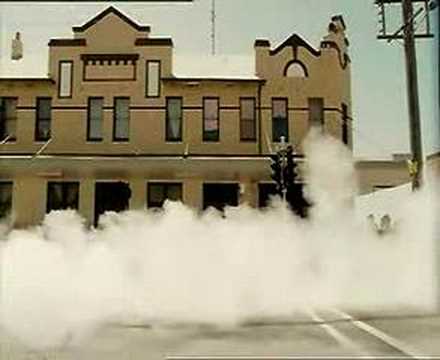 2007
2007Pinkie ("Speeding. No One Thinks Big of You.")
The crude small-penis gesture is deliberately provocative and draws complaints of sexism, which the advertising regulator dismisses.
-
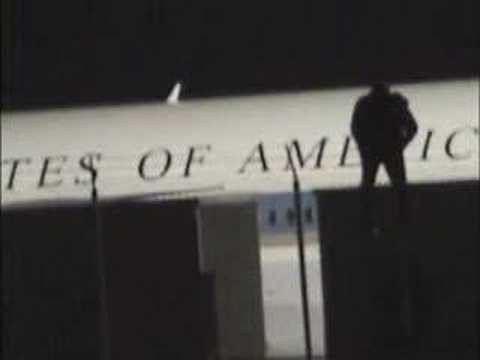 2006
2006Still Free (Air Force One)
Grainy footage appears to show hooded figures spraying graffiti on the presidential plane, a deliberate hoax designed to be argued over and provoke official denials.
-
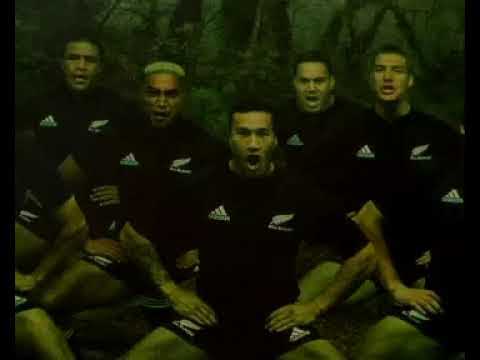 2006
2006Bonded by Blood
Grabs attention with a slightly macabre premise: each poster is printed with the squad's own sterilised blood.
-
 2005
2005Australia Day Lamb
Deliberately provokes with its attacks on vegetarians and others, courting complaints and building that controversy into the yearly formula.
-
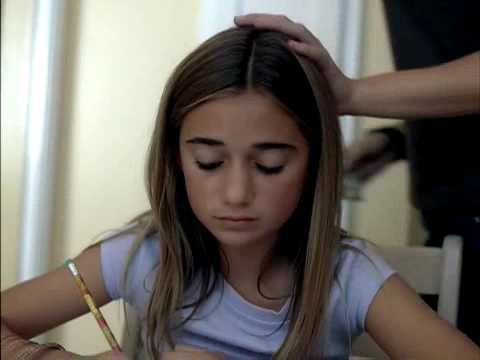 2005
2005Not Even Once ("Just Once")
Deliberately disturbing imagery is the whole strategy, so raw that officials ask for the spots to be kept off air until the evening.
-
Beach, Bar, PoolClub 18-302002
Beach, Bar, Pool
Saucy visual innuendo deliberately provokes, enough to draw a complaint that the ads were pornographic.
-
 2000
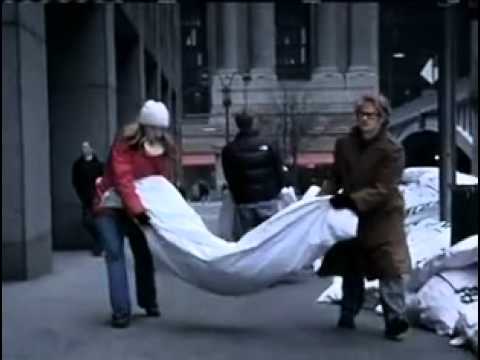
2000Body Bags
Young people heap body bags outside a tobacco company's headquarters, a confrontational spectacle designed to provoke rather than politely advise.
1990s
-
 1999
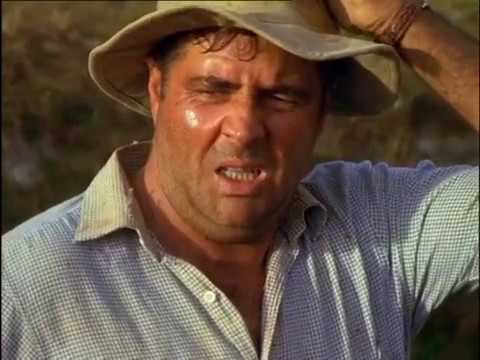
1999Bugger
Builds the punchline and tagline around a mildly rude word, a cheeky provocation that draws a record number of complaints.
-
New Labour, New DangerThe Conservative Party (UK)1996
New Labour, New Danger ("Demon Eyes")
Portraying the opposition leader as satanic is provocative enough for the advertising watchdog to ask that the image not be used again.
-
Hello Boys.Wonderbra (Playtex)1994
Hello Boys
The provocative image sparks lasting debate about empowerment versus objectification, generating far more free coverage than its media spend.
-
 1992
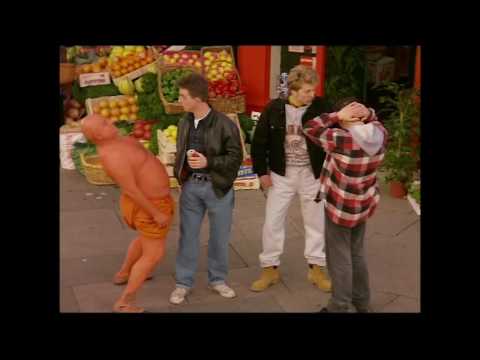
1992Orange Man ("You Know When You've Been Tango'd")
Deliberately breaks soft-drink conventions with a full face slap, provocative enough to spark a playground craze and force its withdrawal.
-
United Colors of Benetton.United Colors of Benetton1991
New Born Baby ("Giusy")
A blood-smeared newborn with the cord uncut, carrying only the brand's logo, deliberately tests what advertising is allowed to show.
1980s
-
 1989
1989Girlfriend ("If You Drink, Then Drive, You're a Bloody Idiot")
Filmed in a working emergency ward with a real medical crew, it lets the trauma unfold in order to upset, outrage and appal drink drivers.
-
 1987
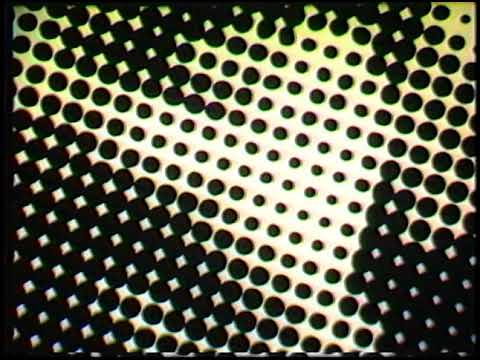
1987Hitler
Dots slowly assemble a face while a voiceover praises a leader's achievements, then reveal it as Hitler's, a deliberately disturbing payoff.
-
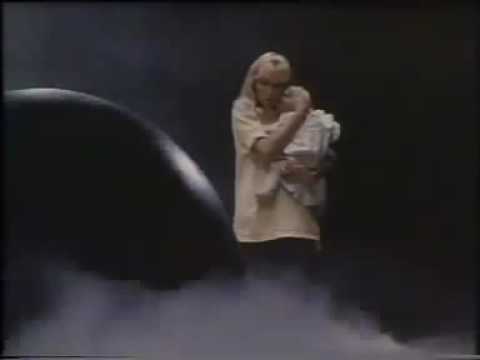 1987
1987The Grim Reaper
Deliberately horrifying imagery of people knocked down like pins forces attention onto the epidemic, at the cost of public outcry and deepening stigma.
-
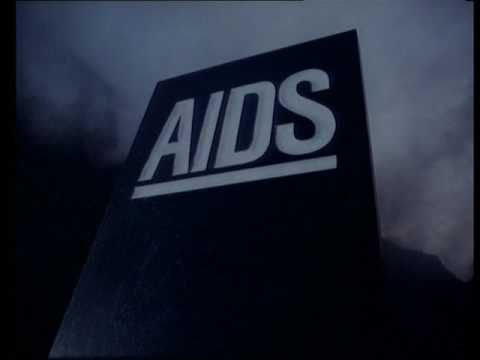 1986
1986Don't Die of Ignorance ("Monolith")
Puts apocalyptic imagery such as an exploding cliff face on television, deliberately terrifying a nation into reading a leaflet sent to every household.
-
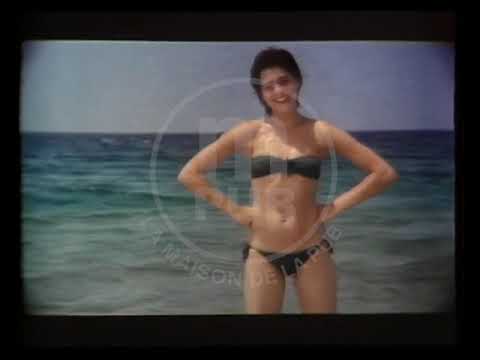 1981
1981Myriam ("Le 2 septembre, j'enlève le haut")
The striptease premise provokes feminist complaints, a court order and a televised debate, multiplying free coverage.
1970s
-
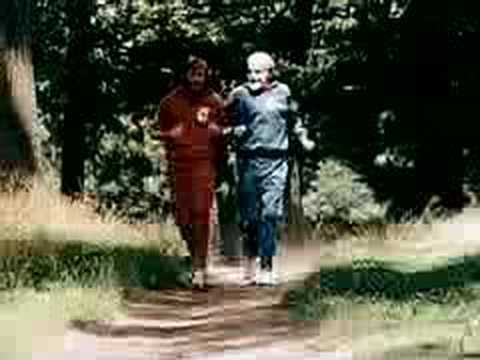 1973
1973The 60-Year-Old Swede
The provocative claim embarrasses a nation so effectively that it sparks a debate in Parliament after only six airings.
-
Chi mi ama mi segua.Jesus Jeans (Maglificio Calzificio Torinese)1973
Chi mi ama mi segua ("He who loves me, follows me")
Laying a Gospel line across a close-up of a model's behind in tiny shorts deliberately courts accusations of blasphemy.
-
Would you be more careful if it was you that got pregnant?Health Education Council (UK)1970
Pregnant Man ("Would you be more careful if it was you that got pregnant?")
A heavily pregnant man is an image many find shocking, which is exactly what makes men stop and look.
1960s
1940s
Shock and provocation: how it works
Shock advertising breaks a taboo or shows something uncomfortable on purpose, to cut through and get people talking. It is common in public health and charity campaigns, where the subject is already serious, and it has also defined some fashion and lifestyle brands.
How to spot it
- Imagery or language that most advertising would avoid.
- A reaction (complaints, bans, press coverage) that becomes part of the campaign's reach.
- A message the audience can't easily ignore or forget.
Why it works, and the cost
Provocation buys attention and coverage that a quiet ad never would. It can also alienate audiences, trivialise serious subjects or be banned outright. The examples below explain what each ad provoked, and whether the controversy served the message.