Technique
Mascots and characters
A brand mascot is a recurring character, such as an animal, cartoon or invented person, who speaks for a brand across many ads. These are the most famous mascots, from Michelin's Bibendum to fast-food characters, and why they work.
What is a brand mascot?
A brand mascot is a recurring character who speaks for a brand: an animal, a cartoon, a puppet, a personified product or an invented person. Unlike a celebrity endorser, a mascot belongs to the brand, can last for decades and says whatever the brand needs it to. The best are designed around the product's promise, such as a battery rabbit that never stops or a man made of tyres.
Where it comes from
Characters are among the oldest brand assets. Michelin's Bibendum, drawn by the cartoonist O'Galop as a man built from tyres, first appeared in 1898 and is still in use (Nunc est bibendum!). Guinness's toucan arrived in 1935 (The Guinness Toucan), and Smokey Bear, created in 1944 for the US Forest Service, fronts the longest-running public service advertising campaign in US history (Smokey Bear).
Television made the mascot central to American advertising. Leo Burnett's Chicago agency created or reshaped characters such as the Marlboro Man, Tony the Tiger and the Pillsbury Doughboy, and became so associated with them that a former account executive recalled a joke about the agency keeping a closet full of critters, with a new one let out for every new account. In 1999 Advertising Age ranked the top ten advertising icons of the twentieth century on effectiveness, longevity, recognisability and cultural impact; the Marlboro Man came first and Ronald McDonald second.
Characters have since moved into new media. Comparethemarket.com's meerkat was partly a search strategy (Compare the Meerkat), and Duolingo's green owl, played by a person in a costume, became a TikTok personality (Duo the Owl on TikTok).
How to spot it
- The same character returns across many ads and media, often for years.
- It has a name, a voice and a personality, not just a look.
- Its design or behaviour says something about the product.
- People can recognise the brand from the character alone.
The best examples
- Nunc est bibendum! (Michelin, 1898). A man made of tyres raises a goblet of nails and broken glass, because the tyre "drinks up obstacles". The character is the product claim.
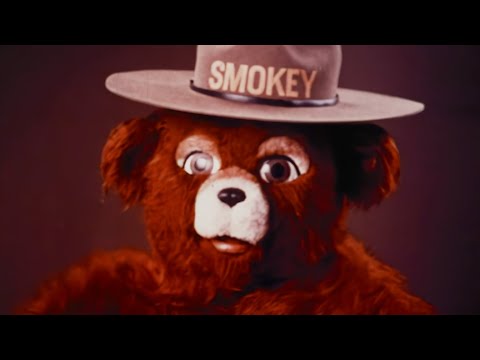
- Smokey Bear (U.S. Forest Service and Ad Council, 1944). A friendly bear gave a national problem a face, and his slogan, "Only you can prevent forest fires", put the responsibility on the viewer.
- The PG Tips Chimps (PG Tips, 1956). Chimpanzees in human clothes, lip-synced to stars' voices, ran until 2002. PG Tips was fourth in its market when they arrived and first within two years, though Twycross Zoo, which supplied the animals, now says their use was wrong.
- The Energizer Bunny (Energizer, 1989). A parody of a rival's drumming bunny that kept barging into fake ads. Its one trait, that it never stops, is the battery's one promise.
- Compare the Meerkat (comparethemarket.com, 2009). Aleksandr Orlov complains that people keep confusing his site with the brand's. The joke made the name memorable and cheap to search for: "meerkat" cost about 5p a click against about £12 for "compare".
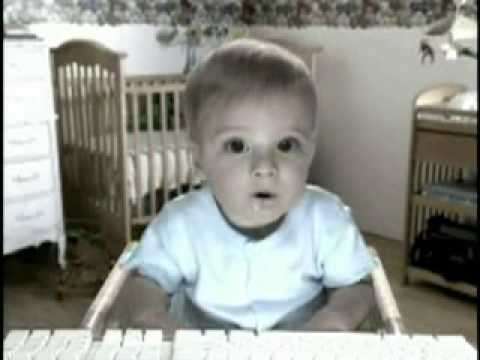
- Baby (E*Trade, 2008). A talking baby showed that online trading was easy enough for an infant, and fronted the brand for six years.
- Duo the Owl on TikTok (Duolingo, 2021). A costumed owl with a deliberately unhinged persona. Duolingo says its TikTok following grew from 50,000 to 2.9 million within months, with no budget.
Why it works, and when it backfires
A character gives people something to recognise in a second and a reason to watch the next ad. System1, a research firm that tests ads for emotional response, analysed the IPA's database of effectiveness case studies and found that campaigns using a recurring character or device were 37% more likely to report market-share gains and 30% more likely to report profit gains than campaigns without one. Yet the share of IPA entries using such devices fell from 41% in 1992 to 12%.
The same recognition causes the worst failures. In 1991 a study in the Journal of the American Medical Association found that 91% of six-year-olds could match Joe Camel, R.J. Reynolds's cartoon camel, to a picture of a cigarette, and that children of that age recognised him about as well as Mickey Mouse (Joe Camel). Reynolds retired him in 1997. Characters can also carry a history a brand outgrows: Quaker Oats retired Aunt Jemima, seventh on Ad Age's 1999 list, in 2020, acknowledging that the character's origins were based on a racial stereotype. And a mascot can be more famous than its brand is successful: "like the Energizer Bunny" entered everyday American English, while Duracell kept the sales lead for years.
The most famous brand mascots
Advertising Age's 1999 ranking of the top ten advertising icons of the twentieth century ran as follows:
- The Marlboro Man (Marlboro, 1955), the Leo Burnett cowboy who repositioned a "Mild as May" women's cigarette (The Marlboro Man).
- Ronald McDonald (McDonald's, 1963), created for a McDonald's franchisee, Oscar Goldstein, and first played by Willard Scott, later the weatherman on NBC's Today show.
- The Green Giant (Green Giant vegetables).
- Betty Crocker (Washburn Crosby Company, later General Mills, 1921), an invented cookery expert who answered customers' questions.
- The Energizer Bunny (Energizer, 1989) (The Energizer Bunny).
- The Pillsbury Doughboy (Pillsbury, 1965), created at Leo Burnett.
- Aunt Jemima (pancake mix and syrup), retired in 2020.
- The Michelin Man, or Bibendum (Michelin, 1898) (Nunc est bibendum!).
- Tony the Tiger (Kellogg's Frosted Flakes, sold in Britain as Frosties).
- Elsie the Cow (Borden dairy products).
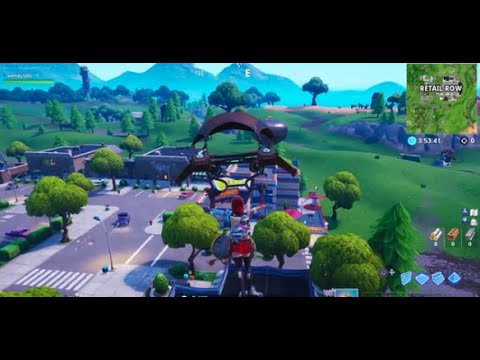
Fast food has its own famous cast. Besides Ronald McDonald, KFC Japan dresses its Colonel Sanders statues as Santa at Christmas (Kentucky for Christmas), and Wendy's played a character modelled on its red-pigtailed mascot inside Fortnite (Keeping Fortnite Fresh). Other characters in the directory with strong claims include the Amul girl, commenting on Indian news from hoardings since 1966 (The Amul Girl Topicals), Mortein's Louie the Fly, Budweiser's Frogs and the Guinness toucan. Browse more in food and fast food.
Every ad here that uses mascots and characters53
2020s
-
Don’t give up on giving.John Lewis2026
Gloria and Pickles
Pickles is a real vintage pull-along toy, giving the campaign a character to carry across social media and behind-the-scenes films.
-
 2023
Snapper: The Perfect Tree
Snapper became a toy, a Kew light-trail figure and a 15ft Oxford Street display.
-
 2023
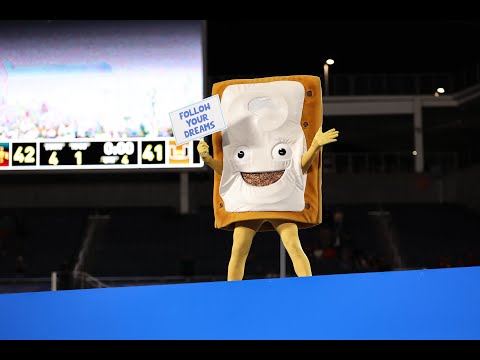
The First Edible Mascot
Builds a bowl sponsorship around a giant grinning strawberry pastry character, which the winning team then eats on the field.
-
Duo the Owl on TikTokDuolingo2021
Duo the Owl on TikTok
The green owl mascot, played by a person in a giant costume, becomes the channel's star and a personality first, ahead of any language lesson.
-
 2021
Lu from Magalu
A virtual sales assistant grows into the brand's spokesperson and a social-media personality, dancing, explaining technology and answering customers as the retailer's human face.
2010s
-
 2019
Excitable Edgar
Edgar, a CGI dragon created by Untold Studios, gave the first joint John Lewis and Waitrose campaign one character to rally around.
-
 2018
Keeping Fortnite Fresh
Playing as a character modelled on its red-pigtailed mascot, the brand enters the game as a player rather than an advertiser.
-
 2017
Moz the Monster
Moz was sold as a cuddly toy, with a donation to Barnardo’s, and appeared in a window display at the Oxford Street shop.
-
 2016
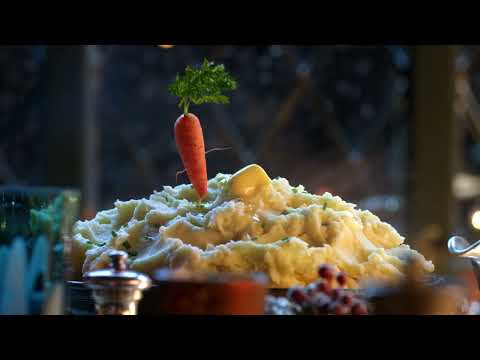
The Amazing Christmas Carrot
A named carrot, brought back every Christmas, carries the brand’s festive range and its own run of soft toys.
-
 2012
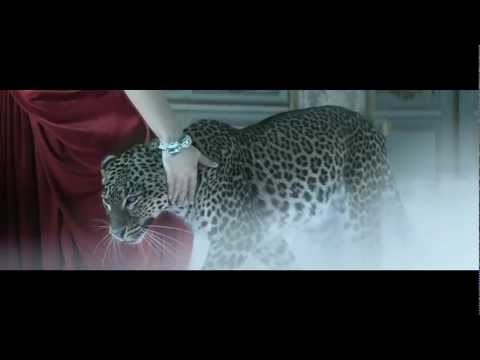
L'Odyssée de Cartier
Brings the house's own emblem, the panther, to life as the hero who guides viewers through the world of Cartier.
2000s
-
 2009
Compare the Meerkat ("Simples")
Creates Aleksandr Orlov, a self-important meerkat whose mix-up between his site and the brand's makes the name unforgettable and far cheaper to search for.
-
 2009
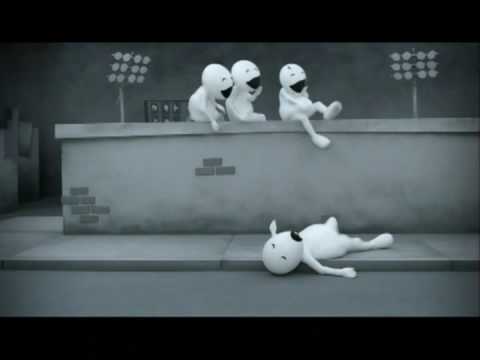
ZooZoos
Invents egg-headed ZooZoo characters who return in a new film almost every day of the tournament, building a serial that people look forward to.
-
 2009
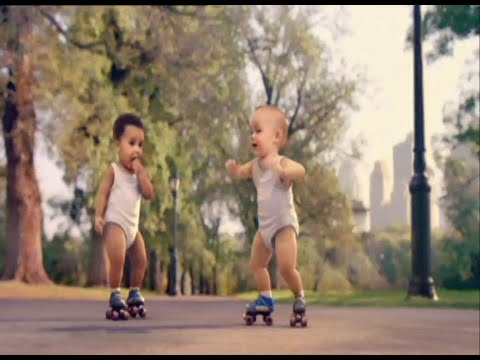
Roller Babies
The film revives the babies the brand had last used over a decade earlier, recurring characters that embody its promise to live young.
-
 2008
Baby
The talking baby becomes the brand's recurring character, carrying its advertising for six years.
-
 2007
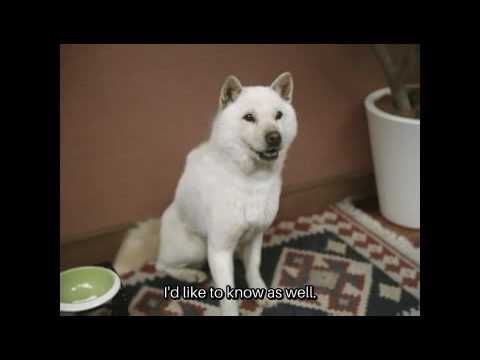
The Shirato Family (White Family)
The talking dog father and his family recur across the series as recognisable characters, popular enough to cross over with another brand's campaign.
-
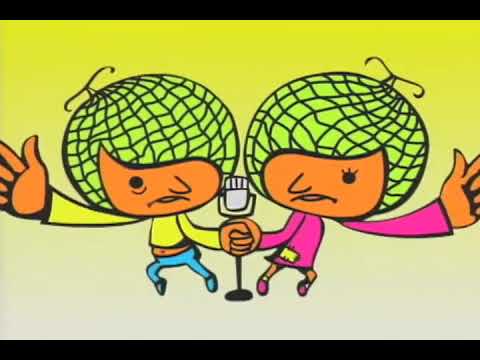 2007
No Money, but Love (Yubari Fusai)
Fronts the campaign with a cartoon married couple who personify the city's new image as a home for happy couples.
-
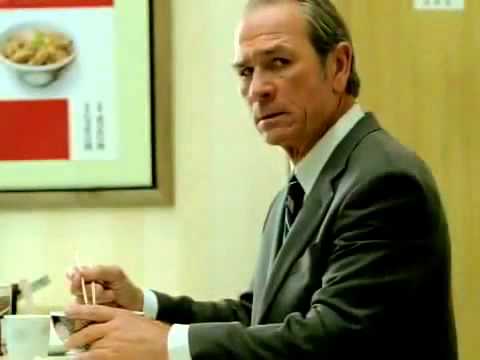 2006
Alien Jones (Earth Survey series)
Casts Tommy Lee Jones as a recurring alien who surveys Earth through a new Japanese job each episode, a character premise that keeps renewing itself.
-
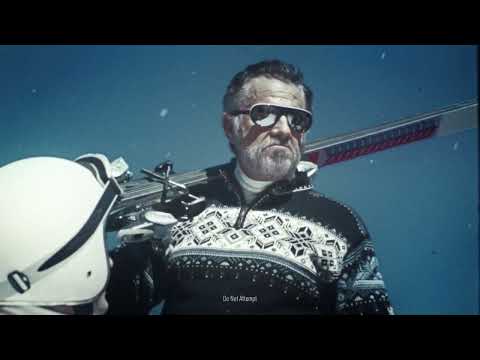 2006
The Most Interesting Man in the World
Builds the campaign around a silver-bearded legend in his sixties, a recurring character embodying the opposite of the dullness young drinkers fear.
-
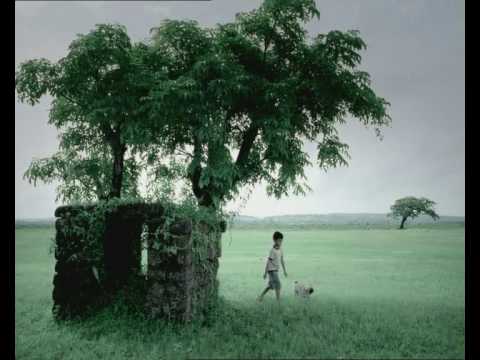 2003
Boy and Pug (You and I)
The faithful pug becomes the brand's recurring face, standing for unconditional support and fronting the network for years.
1990s
-
 1999
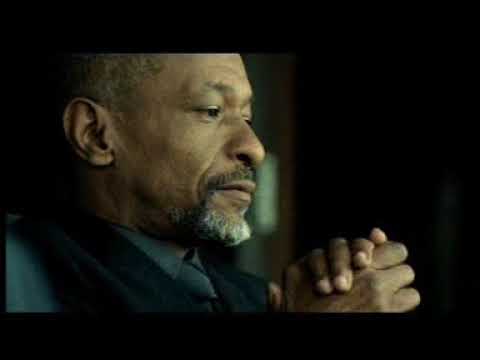
Michael Power
Gives the whole continent one recurring action hero, so famous that he appears in character on billboards, in bars and at events.
-
 1999
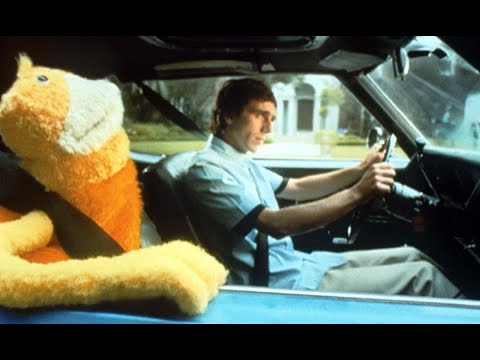
Flat Eric (Sta-Prest)
A scruffy yellow puppet nodding along in a beat-up American car becomes a cult character whose unexplained cool rubs off on the trousers.
-
FaintM&M’s (Mars)1996
Faint
Red and Yellow, the brand’s spokescandies, carry the gag with the product in Yellow’s hands.
-
 1996
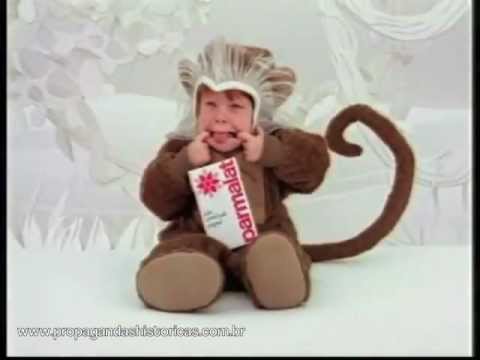
Mamíferos
The costumed little mammals become a recognisable cast, later collected as plush toys and brought back as teenagers in a sequel.
-
 1995
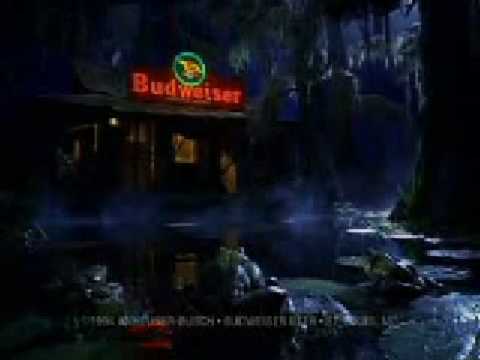
Frogs
Three swamp frogs croaking one syllable each become recurring brand characters whose only job is to say the name.
-
 1995
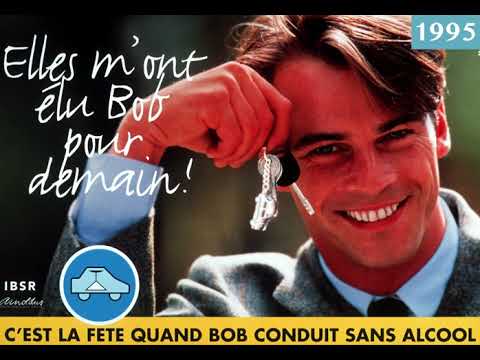
Bob ("It's Party Time When Bob Drives")
Bob gives the designated driver a name and a face, a recurring character cast as the hero of the evening rather than the killjoy.
-
 1995
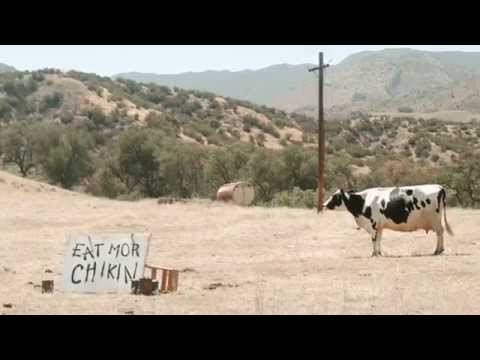
Eat Mor Chikin
The same self-aware renegade cows return for decades, becoming the chain's recognisable brand voice across every medium.
1980s
-
Still going. Nothing outlasts the Energizer.Energizer (Eveready)1989
The Energizer Bunny
A drum-beating pink bunny that never stops becomes the living symbol of a battery that keeps on going.
-
Smooth character.Camel (R.J. Reynolds Tobacco)1988
Joe Camel ("Smooth Character")
A smirking cartoon camel in sunglasses fronts the brand, proving so recognisable that young children could match him to a cigarette.
-
 1987
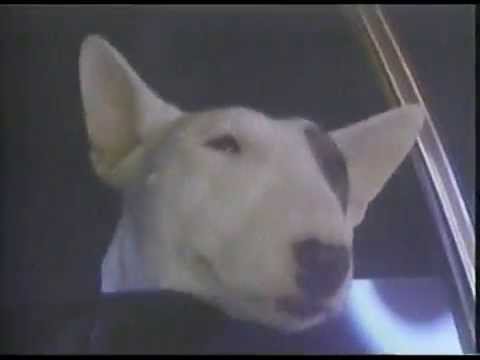
Spuds MacKenzie: The Original Party Animal
A bull terrier billed as the Original Party Animal becomes the beer's character, so popular that licensed merchandise spreads far beyond the advertising.
-
 1986
The California Raisins ("I Heard It Through the Grapevine")
Turns dried grapes into clay pop stars with attitude, characters famous enough to release albums of their own.
-
 1985
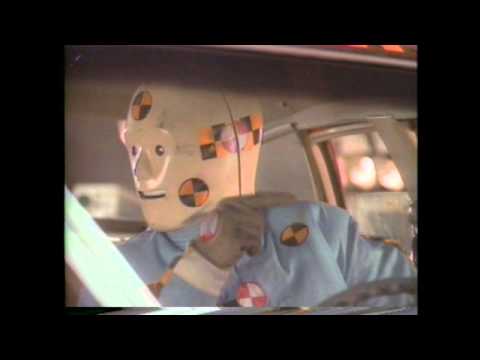
Vince and Larry, the Crash Test Dummies ("You Could Learn a Lot from a Dummy")
Two talking crash test dummies, cynical Vince and eager Larry, become recurring characters who carry the seat-belt message from spot to spot.
-
 1981
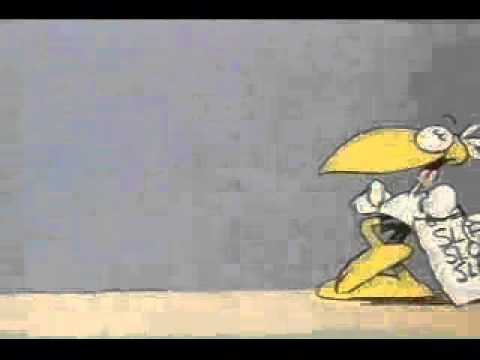
Slip! Slop! Slap! (Sid the Seagull)
A likeable cartoon seagull in board shorts, T-shirt and hat models each step, giving the health message a friendly messenger.
-
 1980
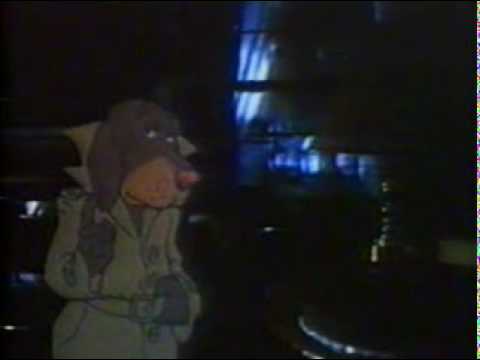
Take a Bite Out of Crime ("McGruff the Crime Dog")
A world-weary cartoon bloodhound in a trench coat fronts every message, giving crime prevention a recognisable face in the mould of Smokey Bear.
1970s
-
 1978
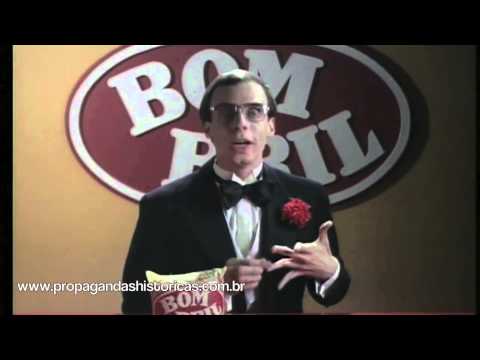
Garoto Bombril (first spot)
A shy young spokesman, presented as the company's own chemist, becomes a recurring character who fronts hundreds of films over decades.
-
 1977
Monks ("Brother Dominic")
The monk becomes a character so fused with the brand that he is revived decades later.
-
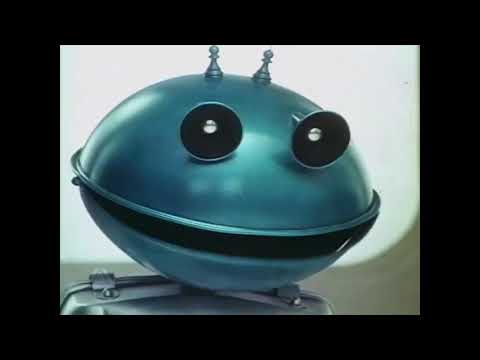 1974
Martians ("For Mash Get Smash")
The metallic Martian family becomes a set of beloved puppets that draw fan mail and fix the brand in memory.
-
Kurisumasu ni wa Kentakkii (Kentucky for Christmas)KFC Japan1974
Kentucky for Christmas
Dresses the Colonel Sanders statues outside stores as Santa, merging the brand's character with the season.
1960s
-
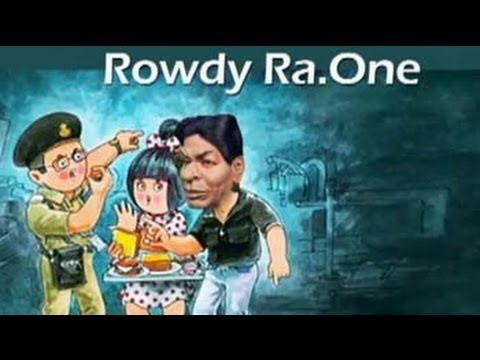 1966
The Amul Girl Topicals ("Utterly Butterly Delicious")
A small girl in a polka-dot dress fronts every execution, a recurring character audiences have recognised for decades.
-
NoëlcoNorelco (Philips)1961
Noëlco
Santa becomes the brand’s seasonal character, returning each year on the same unlikely vehicle.
1950s
-
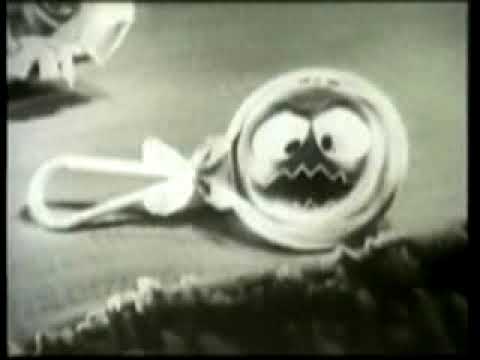 1957
Louie the Fly
Personifies the pest as a boastful cartoon gangster fly who fears only the can, so every appearance ends with the product winning.
-
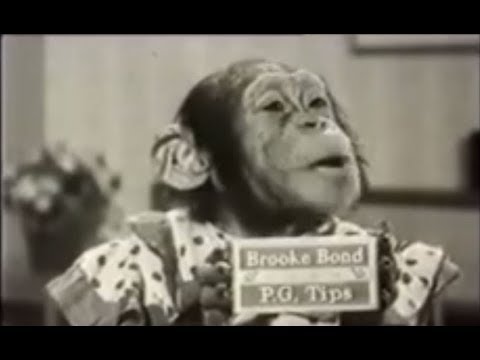 1956
The PG Tips Chimps
Dressed-up chimpanzees become the brand's recurring cast for decades, building affection for tea through a spectacle only television could deliver.
-
 1956
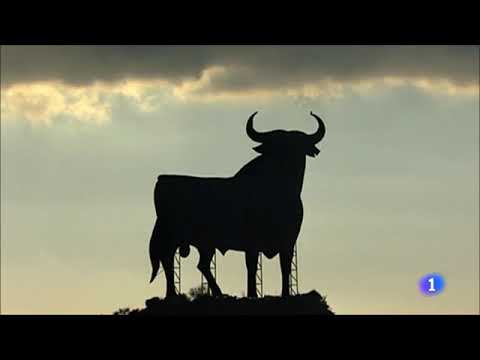
El Toro de Osborne (The Osborne Bull)
A giant black bull silhouette, with no words, stands in for the brand along the roads until it becomes a recognised emblem in its own right.
-
Come to where the flavor is. Come to Marlboro Country.Marlboro (Philip Morris)1955
The Marlboro Man
A recurring cowboy and his mythic Marlboro Country become the brand itself, with no argument about the product needed.
-
 1953
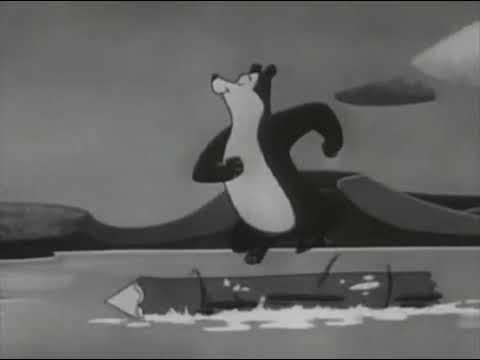
The Hamm's Bear
A clumsy, good-natured cartoon bear tumbling around the North Woods becomes the brand's lovable face.
-
The man in the Hathaway shirt.C.F. Hathaway1951
The Man in the Hathaway Shirt
The same patched man recurs for decades until the eyepatch alone identifies the brand without its name.
1940s
-
 1944
Smokey Bear ("Only You Can Prevent Forest Fires")
A friendly bear personalises the national problem of forest fires, becoming so recognisable that his face alone carries the message.
-
 1943
Don't Take the Squander Bug When You Go Shopping
A recurring villain gives an abstract habit, wasteful spending, a face that shoppers learned to recognise.
-
Make-do and mend says Mrs Sew-and-SewBoard of Trade (UK)1943
Make-Do and Mend Says Mrs Sew-and-Sew
Mrs Sew-and-Sew, a cheerful rag doll, turns official advice on clothes rationing into a friendly character.
1930s
-
 1936
The Wienermobile
Turns the vehicle itself into the brand's mascot, a giant hot dog on wheels that draws crowds and photographs wherever it tours.
-
 1935
The Guinness Toucan ("Just think what Toucan do")
A toucan balancing two pints becomes a lovable brand character, part of a menagerie that makes the stout feel friendly.
1900s

1890s
Questions people ask
What is a brand mascot?
A brand mascot is a recurring character, such as an animal, cartoon, puppet or invented person, that represents a brand across many ads. Famous examples include Michelin's Bibendum, the Energizer Bunny and comparethemarket.com's meerkat.
What are the most famous brand mascots?
Advertising Age's 1999 list of the century's top ten advertising icons was led by the Marlboro Man, Ronald McDonald, the Green Giant, Betty Crocker and the Energizer Bunny, followed by the Pillsbury Doughboy, Aunt Jemima, the Michelin Man, Tony the Tiger and Elsie the Cow.
What are the most famous fast food mascots?
Ronald McDonald, introduced in 1963, ranked second on Advertising Age's 1999 list of the century's top advertising icons. Other well-known fast-food characters include KFC's Colonel Sanders, whose statues KFC Japan dresses as Santa at Christmas, and Wendy's red-pigtailed mascot.
Which brand mascots are the oldest?
Michelin's Bibendum, first drawn in 1898, is one of the oldest characters still in use. Others from the first half of the twentieth century include Betty Crocker (1921), the Guinness toucan (1935) and Smokey Bear (1944).
Do brand mascots work?
The evidence suggests they do. System1's analysis of the IPA's effectiveness case studies found that campaigns built around a recurring character were 37% more likely to report market-share gains and 30% more likely to report profit gains, though far fewer campaigns now use one.
Why was Joe Camel retired?
R.J. Reynolds retired Joe Camel in 1997, under pressure from regulators, after studies found the cartoon appealed strongly to children. A 1991 study in the Journal of the American Medical Association found that 91% of six-year-olds could match him to a cigarette.
Who created the Michelin Man?
The French cartoonist O'Galop (Marius Rossillon) drew Bibendum for Michelin in 1898, adapting a design a Munich brewery had rejected into a figure made of tyres who toasts with a goblet of nails and broken glass.
Sources6
- Top Ad Icons of the 20th Century
- Macho cowboy stubs out rivals as top icon in adverts
- Ten Advertising Campaigns That Were Born in Chicago
- Brand Logo Recognition by Children Aged 3 to 6 Years: Mickey Mouse and Old Joe the Camel
- Research by System1 Shows Memorable Characters in Ads Boost Chances of Profit by 30%
- Aunt Jemima Brand to Change Name and Image Over 'Racial Stereotype'