Technique
Plain folks
Plain folks is a propaganda technique in which a politician, brand or speaker presents themselves as ordinary and down to earth, just like the audience, so that their ideas seem trustworthy and sensible.
What is plain folks propaganda?
Plain folks is a propaganda technique in which a speaker, brand or candidate presents themselves as ordinary and down to earth, just like the audience, so that their ideas seem trustworthy and sensible. The message is: I am one of you, so you can believe me. It shows up as everyday settings, plain speech, regional accents, work clothes, home cooking, local pride and an implied distance from "elites", "experts" or "big business".
The people who use it best are often not ordinary at all. Presidents, chief executives and global brands reach for the device precisely because they are powerful and need to seem approachable.
Where the term comes from
Plain folks is the fifth of the seven propaganda devices listed by the Institute for Propaganda Analysis (IPA) in 1937. Its bulletin described politicians, labour leaders, businessmen "and even ministers and educators" winning our confidence "by appearing to be people like ourselves—'just plain folks among the neighbors'". Its picture of a 1930s campaign is still recognisable: candidates hold "front porch campaigns", raid the kitchen cupboard for the newspapermen and find "the good wife's apple pie", go to country picnics and "the old frame church", and "pitch hay and go fishing". It even quoted a whiskey advertisement: "It's our family's whiskey, neighbor; and neighbor, it's your price."
The Fine Art of Propaganda (1939) defined plain folks as "the method by which a speaker attempts to convince his audience that he and his ideas are good because they are 'of the people,' the 'plain folks'". Its symbol was "that traditional analogue for an old friend, an old shoe".
How to spot it
- Real or real-seeming people instead of models and stars, often in kitchens, pubs, farms and workplaces.
- Plain or regional speech, jokes, informal grammar and deliberately rough production.
- A powerful person photographed doing chores, eating fast food or wearing work clothes.
- Talk of "ordinary people", "hard-working families" or "people like us", set against a vague "them".
- A founder or boss speaking straight to camera as a regular person.
- Ask: is this person really like me, and would it matter for the claim if they were?
Examples
Log cabin and hard cider (1840)
The classic political case is older than the term. In 1840 the Whig Party presented William Henry Harrison as "the log cabin and hard cider candidate", a man of the frontier, against President Martin Van Buren, whom they painted as wealthy and out of touch with working people. The image began as a Democratic newspaper's sneer that Harrison would be happy with a barrel of hard cider in a log cabin; the Whigs adopted it. In fact Harrison came from an established, wealthy Virginia family, as the University of Virginia's Miller Center and Encyclopedia Virginia both note.
Presidents at work and play
Propaganda Critic lists modern versions from the White House: Ronald Reagan often photographed chopping wood, Jimmy Carter presented as a humble peanut farmer, George Bush senior's dislike of broccoli and love of fishing, and Bill Clinton eating at McDonald's.
In this directory
- Whassup? (1999) cast the director's real childhood friends greeting each other in their own slang, so the beer belongs to ordinary mates.
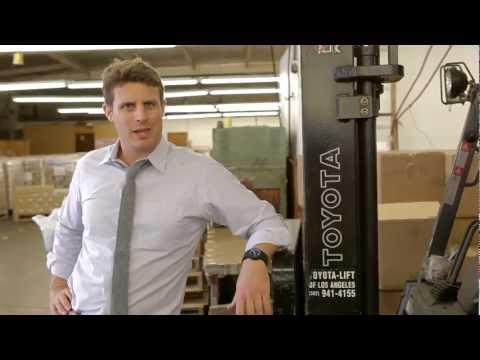
- Dollar Shave Club's launch video (2012) is a founder's deadpan tour of a warehouse, shot by a friend, presenting the start-up as unpretentious.
- The Rant (2000) has a polite everyman called Joe in a flannel shirt speak for a whole nation.
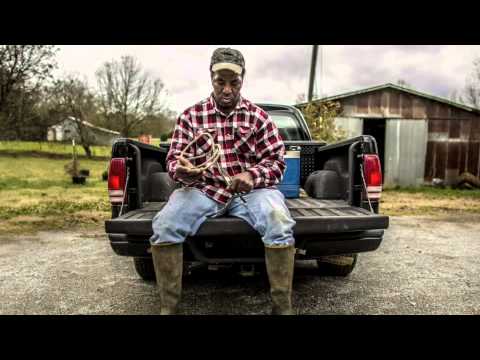
- Farmer (2013) sets still photographs of working farmers to a broadcaster's tribute to their labour.
- Lalitaji (1984) gives the argument for a pricier detergent to a thrifty homemaker haggling in a market.
- Just Do It (1988) launched Nike's slogan with an 80-year-old distance runner, Walt Stack, rather than a star.
Why it works, and where it fails
People tend to trust those they see as similar to themselves, and plain speech feels honest because it sounds unrehearsed (see liking and belonging). Plain folks also lets a large company or a powerful politician appear small and human, and it disarms the suspicion that polished advertising invites.
It fails when it looks like a costume. If the audience knows the speaker's real wealth, or the "real people" turn out to be actors or staff, the device turns into a lesson in fakery. It can also patronise, presenting "ordinary people" as simpler than they are. The Harrison campaign shows how far the image can drift from the facts, and why the device needs checking rather than trusting.
Plain folks vs bandwagon
The two are easily mixed up because both appeal to ordinary people. Plain folks says "I am one of you"; bandwagon says "all of you are doing this". Plain folks is about the speaker's identity, bandwagon about the crowd's behaviour. An ad full of ordinary people can be either: one relatable person you trust is plain folks; millions joining in is bandwagon. The IPA noticed the overlap, describing bandwagon appeals made to us "as farmers or as school teachers; as housewives or as miners".
Plain folks vs testimonial
When an ordinary customer vouches for a product, the ad combines plain folks with a testimonial. The speaker's ordinariness is part of why their word is believed.
How to answer it
The IPA's defence is simple: ask what the speaker's ideas are worth "when divorced from his personality". What might the folksy manner be covering up? What are the facts? Suspend judgement until there is enough evidence. Being ordinary, or seeming so, says nothing about whether a policy works or a product is any good. Notice also who is being addressed: plain folks appeals are usually aimed at a particular group whose loyalty the speaker wants.
Every ad here that uses plain folks30
2020s
2010s
-
 2019
Be a Kid This Christmas
Four generations of the real family, in their own shop, stand in for actors and sets.
-
 2018
Nothing Beats a Londoner
Young Londoners from Dalston, Peckham and Brixton are the heroes, out-boasting each other while famous athletes and musicians are reduced to cameos.
-
Vicar and ImamAmazon (Prime)2016
Vicar and Imam
A real vicar and a real imam, filmed in a real church and mosque, play the friends.
-
 2016
English for Beginners
An ordinary pensioner in an ordinary flat carries the film, with the brand barely seen.
-
 2016
The Swedish Number
Puts ordinary volunteers, with no training or script, on the line as the country's ambassadors instead of polished tourism claims.
-
 2013
Farmer
Still photographs of working farmers and a late broadcaster's tribute to their labour present the truck brand as one with ordinary rural Americans.
-
 2012
Our Blades Are F***ing Great
Shot by a friend in a warehouse for a few thousand dollars, the founder's straight-talking pitch presents the startup as unpretentious and down to earth.
-
 2011
Legend ("Ghost Chips")
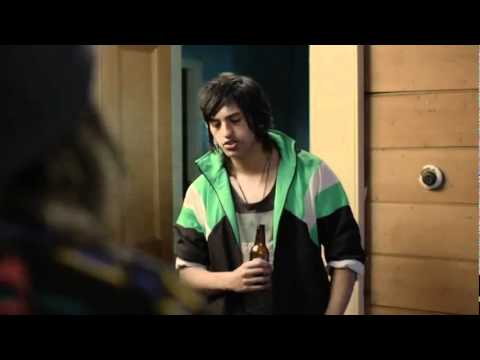
Casts young Māori men as cool and ordinary at a house party, speaking in their own idiom, so stopping a drunk mate feels socially natural.
-
Curators of Sweden (@sweden)VisitSweden and the Swedish Institute2011
Curators of Sweden (@sweden)
The country's official account is handed to a different ordinary citizen each week, picturing the nation as a mosaic of everyday voices.
2000s
-
If you know the person, you’ll find the present.John Lewis2008
Clues
The song is sung by the retailer’s own staff rather than a star.
-
 2006
Bienvenido a la república independiente de tu casa
Uses shaky camcorder footage shot by ordinary families, with a child reading out the home's constitution, so the brand speaks from real living rooms.
-
 2002
Thanda Matlab Coca-Cola
Drops slick Western cola imagery to speak to small-town and rural India in its own idiom and accents, claiming the everyday word for a cold drink.
-
 2000
The Rant ("I Am Canadian")
A polite everyman called Joe in a flannel shirt speaks for the nation, making the brand feel as ordinary and proud as its drinkers.
1990s
1980s
-
 1989
Hamara Bajaj
Unknown faces, not stars, polish scooters, check their hair and haggle over fish, so the brand belongs to everyday Indians.
-
 1989
Supermarkt ("Tina, wat kosten die Kondome?")
Set in an ordinary supermarket queue, it presents buying condoms as an everyday errand rather than something shameful.
-
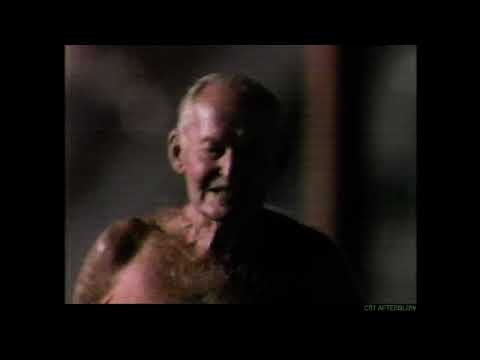 1988
Just Do It (launch spot, "Walt Stack")
Launches the slogan with an 80-year-old distance runner at dawn rather than a star, suggesting effort matters more than equipment or fame.
-
 1984
Come and Say G'day (Shrimp on the Barbie)
Sells a friendly, cheeky national character through barbecues, pubs and an invitation to say G'day, as if hosting viewers personally.
-
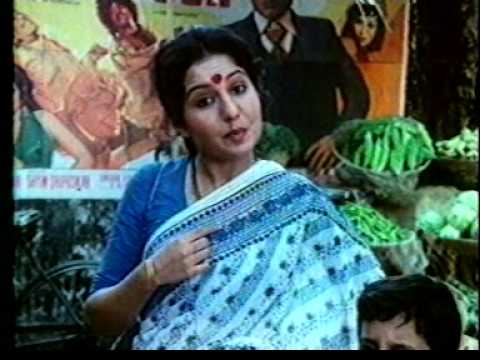 1984
Lalitaji
Set in a busy market, a thrifty homemaker haggling over vegetables gives the argument the voice of an ordinary, shrewd customer.
1970s
-
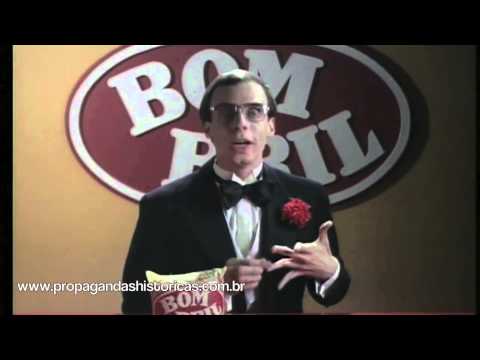 1978
Garoto Bombril (first spot)
Replaces the usual housewife or macho hero with a modest, fragile man speaking colloquially and claiming only a certain something in the formula.
-
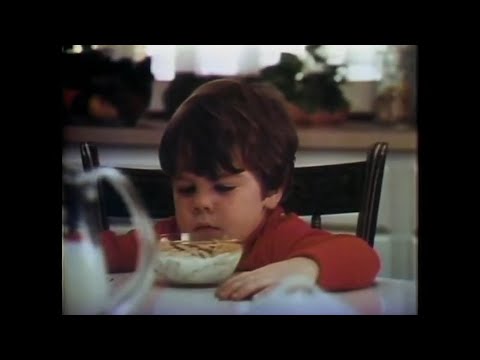 1972
Three Brothers ("Mikey Likes It")
Three real brothers in a slice-of-life scene let a sibling's verdict, not an adult claim, vouch for the cereal.
1960s
1950s
1940s
-
 1943
Do with Less – So They'll Have Enough!
An ordinary, grinning GI with a tin cup makes the beneficiary of rationing someone the viewer might know.
-
The Four Freedoms postersOffice of War Information (US)1943
The Four Freedoms posters
Every scene is everyday small-town America: a town meeting, a family dinner, children going to bed.
-
 1943
Use It Up – Wear It Out – Make It Do!
An ordinary couple patching trousers and mending a lawnmower presents thrift as everyday domestic life rather than sacrifice.
-
 1941
Coughs and Sneezes Spread Diseases
Everyday settings such as a factory, a shop, an office and the Underground let ordinary people recognise themselves in the scene.
1920s

1910s

Questions people ask
What is plain folks propaganda?
Plain folks is a propaganda technique in which a politician, brand or speaker presents themselves as ordinary people, just like the audience, so that their ideas seem trustworthy. It is one of the seven propaganda devices listed by the Institute for Propaganda Analysis in 1937.
What is an example of plain folks propaganda?
In 1840 the Whigs presented William Henry Harrison as "the log cabin and hard cider candidate", although he came from a wealthy Virginia family. In advertising, Budweiser's 1999 "Whassup?" commercial cast the director's real childhood friends instead of polished actors.
What is the difference between plain folks and bandwagon?
Plain folks says "I am one of you, so trust me"; bandwagon says "everyone is doing this, so join in". The first is about the speaker's identity, the second about the size of the crowd.
Why do politicians use the plain folks technique?
Because voters tend to trust candidates who seem like them, and powerful or wealthy politicians need to appear approachable. Photographs of chopping wood, farming or eating fast food are typical examples.
Is plain folks a logical fallacy?
It is not a formal fallacy, but it becomes faulty reasoning when "they are just like me" is offered as a reason to believe a claim. Whether someone seems ordinary says nothing about whether their policy or product is any good.
What symbol did the Institute for Propaganda Analysis use for plain folks?
In The Fine Art of Propaganda (1939), the Institute for Propaganda Analysis gave plain folks the symbol of an old shoe, a traditional emblem of an old friend.
Sources6
- Propaganda Analysis, Volume I (includes “How to Detect Propaganda”, the bulletin’s second issue, 1937)
- The Fine Art of Propaganda (excerpts from the Institute for Propaganda Analysis book, ed. Alfred McClung Lee and Elizabeth Briant Lee, 1939)
- The Iconography of Propaganda Analysis (excerpts from The Fine Art of Propaganda, 1939)
- William Harrison: Campaigns and Elections
- William Henry Harrison's Campaign Image
- Plain Folks