Does She... or Doesn't She?
Clairol1957
Does She... or Doesn't She? is a 1957 print and television campaign for Clairol, created by Foote, Cone & Belding.
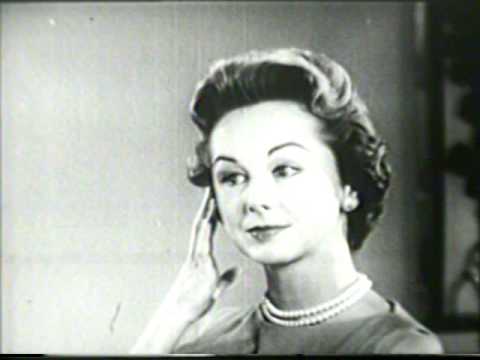 Watch at the source
The line
Does she... or doesn't she? Only her hairdresser knows for sure.
Why it works
A double entendre that destigmatized an entire product category. In 1957, dyed hair signaled artificiality — something 'nice women' didn't do. Shirley Polykoff's line turned the stigma into the promise: colour so natural that no one can tell, with wholesome mothers and daughters in the ads to settle which reading of the question was intended. Hair-colour use among American women rose from a small minority to a mainstream behaviour in the decade after the campaign broke, and Polykoff became one of the most celebrated copywriters of her era. Ranked No. 9 on Ad Age's campaigns of the century, it is studied for removing a social barrier rather than arguing a product benefit — and as a landmark of a woman writing to women in a voice the category had never used.
Techniques
- Humour A teasing double entendre turns hair colouring from a guilty secret into a playful promise that nobody else will be able to tell.
- Plain folks Wholesome mothers and daughters appear in the ads, showing that respectable everyday women colour their hair too.
Sources · 2
Updated