Technique
Ethos
Ads that persuade through credibility: the authority, expertise, heritage or character of the brand or the person speaking.
2020s
-
 2025
2025Vaseline Verified
The brand's own scientists test popular Vaseline hacks in the lab, so a heritage brand reasserts its expertise over how its jelly should be used.
-
 2025
2025Expedition Impossible
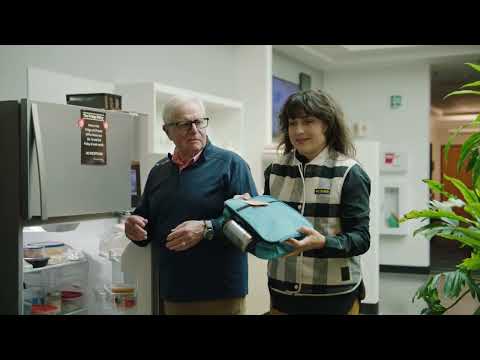
Has the chief executive, the family firm's public face for decades, make the offer personally, lending the stunt his credibility.
-
 2024
2024Michael CeraVe
The reveal lands the credibility point that the products are developed with dermatologists, shown as an unconvinced boardroom.
-
 2021
2021The Unfiltered History Tour
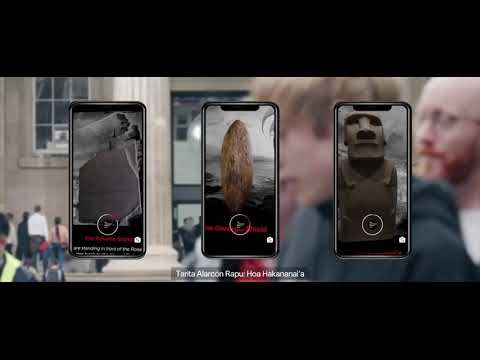
Advertises a news brand through its journalism, backing each contested object's story with expert interviews in a ten-part podcast.
-
 2020
2020Courage Is Beautiful
Turning its long-held real-beauty argument towards medical staff lets the brand speak in a crisis without straying from what it stands for.
-
 2020
2020Moldy Whopper
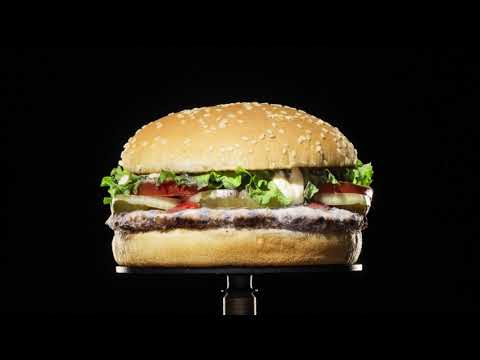
By trading appetite appeal for visible honesty, the brand asks to be trusted precisely because it shows its product at its worst.
2010s
-
 2018
2018FCK ("We're Sorry")
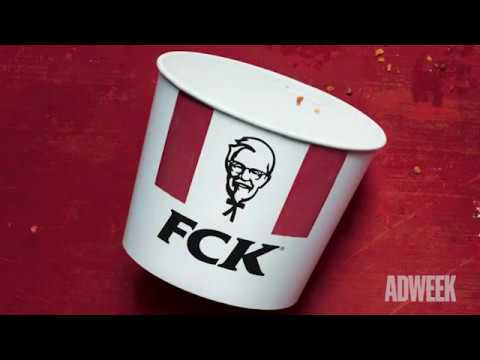
A humble, plain-spoken apology instead of a lawyered non-apology rebuilds trust by owning the failure openly.
-
 2016
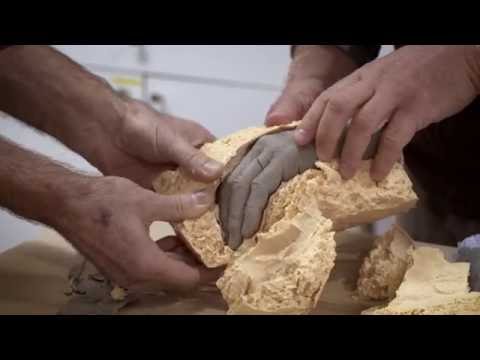
2016Meet Graham
Grounds the design in briefings from a trauma surgeon and a crash investigator, giving the road-safety message expert authority.
-
 2015
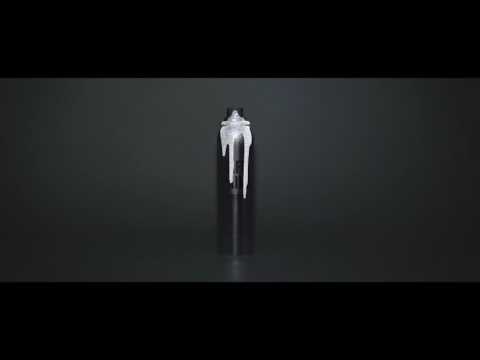
2015LifePaint
Proves a safety brand's positioning with a useful object rather than a claim, reinforcing its reputation for protecting people.
-
On Black Friday, we're closing. Opt outside.REI2015
#OptOutside
Proves a co-op's values by closing every store on the year's biggest shopping day, a visible cost that makes the claim believable.
-
 2012
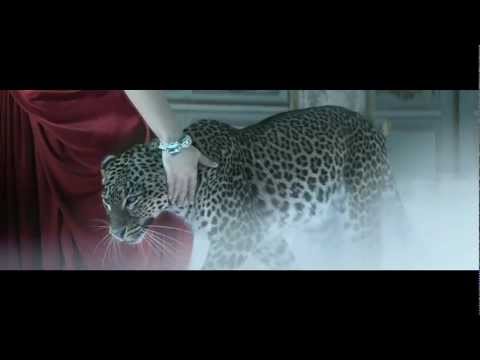
2012L'Odyssée de Cartier
Parades heritage pieces and far-flung chapters of the house's history to display its breadth and pedigree to markets where its breadth was little known.
-
Curators of Sweden (@sweden)VisitSweden and the Swedish Institute2011
Curators of Sweden (@sweden)
Leaving controversial tweets uncensored demonstrates the promised openness rather than claiming it, trading control for credibility.
-
Don't buy this jacket.Patagonia2011
Don't Buy This Jacket
Confessing its own product's environmental cost signals values the company is willing to pay for, building credibility through candour.
-
 2010
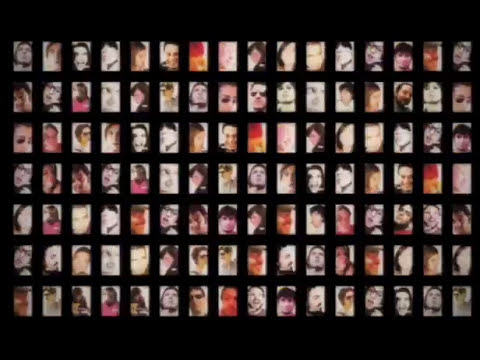
2010Music. See What It's Made Of.
Carefully researched influences, down to a wink such as Vanilla Ice inside Eminem, display the deep musical knowledge the magazine trades on.
2000s
-
 2002
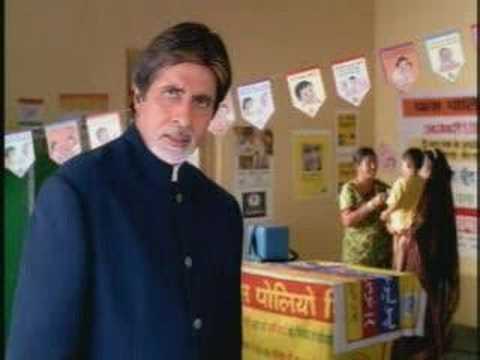
2002Do Boond Zindagi Ki ("Two Drops of Life")
He plays a stern family elder, borrowing the authority of the patriarch to scold parents who skip the two drops of life.
-
 2000
2000Autostadt
Builds appreciation of the group's brands through a museum, brand pavilions and a showpiece delivery centre beside the factory.
1980s

1970s

1960s
-
Avis is only No. 2 in rent a cars. So we try harder.Avis1963
We Try Harder ("Avis is only No. 2")
An honest confession that no company normally makes buys credibility for every service claim that follows.
-
Tokyo 1964Tokyo 1964 Olympic Games Organising Committee1962
The Start of the Sprinters' Dash (Tokyo 1964)
A technically ambitious photographic poster presents post-war Japan to the world as modern, dynamic and assured.
1950s
-
 1959
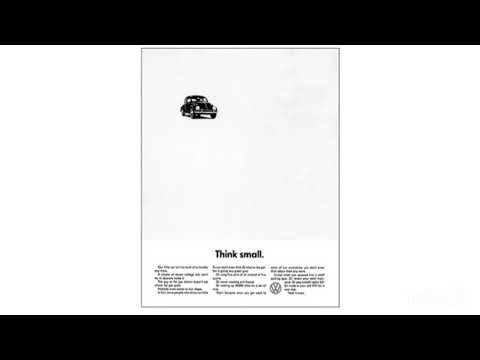
1959Think Small
Self-deprecating honesty makes the brand believable at a time when other car ads only promised bigger and longer.
-
 1956
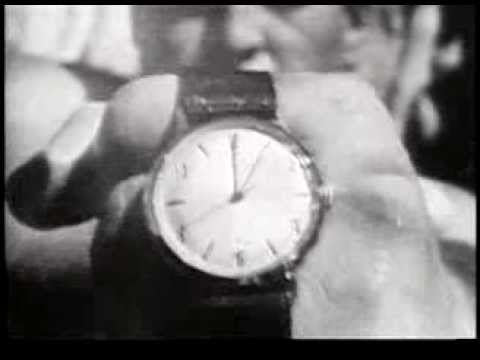
1956Takes a Licking and Keeps on Ticking (torture tests)
A former network news anchor presents each ordeal and delivers the verdict, lending a cheap watch a newsman's trustworthiness.
-
 1955
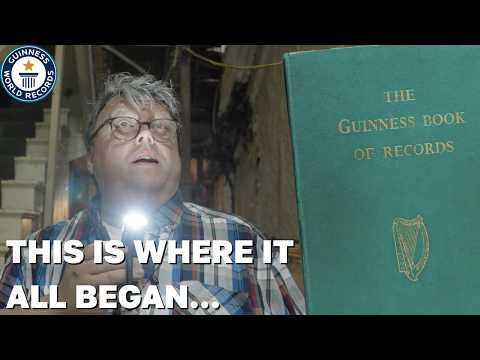
1955The Guinness Book of Records
Positions the brewery as the trusted source for settling pub arguments, with professional fact-finders compiling the records.
1940s

1930s

1910s
-
 1919
1919The Instrument of the Immortals
Positioning the piano as the choice of the greatest musicians sells it on prestige and heritage rather than mechanics.
-
 1915
1915The Penalty of Leadership
An essay arguing that leaders are always attacked casts the brand as the standard others envy, without describing the car.
-
 1914
1914Lord Kitchener Wants You ("Your Country Needs You")
The new Secretary of State for War, glaring straight out at the viewer, gives the appeal the authority of command.
1900s
Ethos: how it works
Ethos is the appeal to credibility and character, one of Aristotle's three modes of persuasion. An ethos ad asks you to believe it because of who is speaking: an expert, a respected figure, a brand with a long record, or a company acting in line with its stated values.
How to spot it
- The ad leans on expertise, experience, heritage, honesty or principle.
- It may admit a weakness to seem more trustworthy.
- The brand's own behaviour, rather than a claim about the product, is the proof.
Why it works
People take shortcuts: if a source seems trustworthy, its message is easier to accept. Ethos is also fragile, because an ad that claims values the brand doesn't live up to can do more harm than good. Each example below explains where the credibility comes from.